Music / Musica Viva, Beethoven’s Ghost. At Llewellyn Hall, May 7. Reviewed by THAYER PREECE.
On Thursday night, three of the most celebrated musicians in Australian classical music came together to share a dynamic performance of piano trios as part of Musica Viva’s touring program.
The concert was dedicated to Canberran composer and former Musica Viva education director Michael Sollis, who sadly passed away recently.
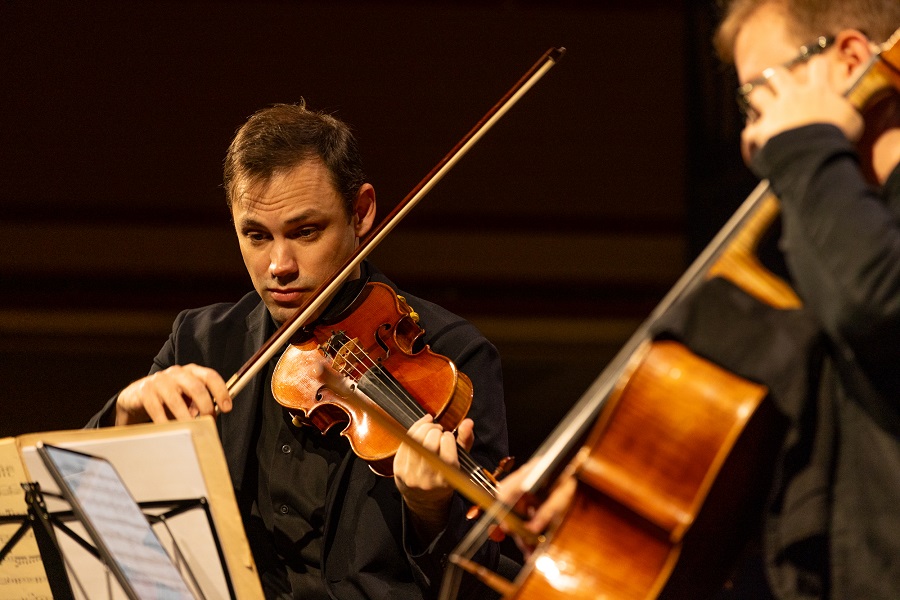
Canberra-born violinist Kristian Winther returned to the city following a successful recent appearance as the guest concertmaster for the Canberra Symphony. He was joined by the Australian Chamber Orchestra’s principal cellist, Timo-Veikko Valve, and acclaimed Australian pianist Aura Go. All three performers brought an exceptional level of training and performance experience to the ensemble.
There are both pros and cons to seeing chamber music performed by successful solo musicians. Each musician is an accomplished virtuoso, playing their instrument to the highest possible level. They bring technique and flair to performances that other musicians might struggle to replicate. However, established chamber groups perform with each other regularly over long periods of time, and as a result of this sustained level of contact, they develop a sense of ensemble that is difficult to achieve in a group of undeniably talented musicians who are only coming together for one concert series.
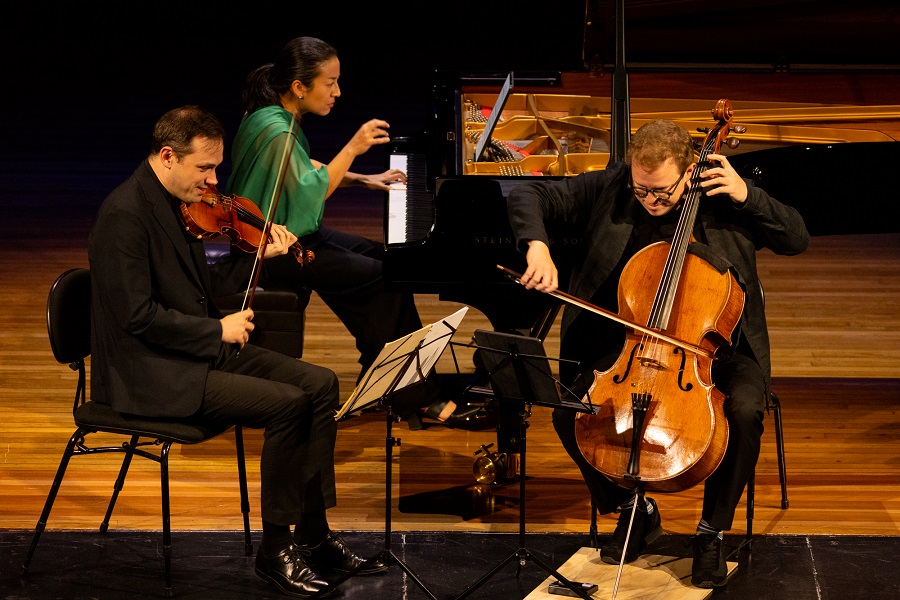
Despite not being a regular chamber ensemble, the trio on stage displayed an impressive level of unison and communication in their playing. The music consistently evoked a feeling of conversation between the players. This could be a result of previous collaborations between the performers, or their individual experience as chamber musicians, but either way, it contributed to a stellar performance.
The concert opened with Beethoven’s Ghost trio, one of the composer’s most beloved chamber compositions. The trio is believed to be inspired by the works of Shakespeare (though opinions vary on whether Hamlet or Macbeth provided that inspiration). The program also featured not just one, but two works by female composers, the first a commission by living Australian composer Melody Eötvös, and the second by the celebrated but short-lived French composer Lili Boulanger. The program concluded with Maurice Ravel’s impeccable Piano Trio.
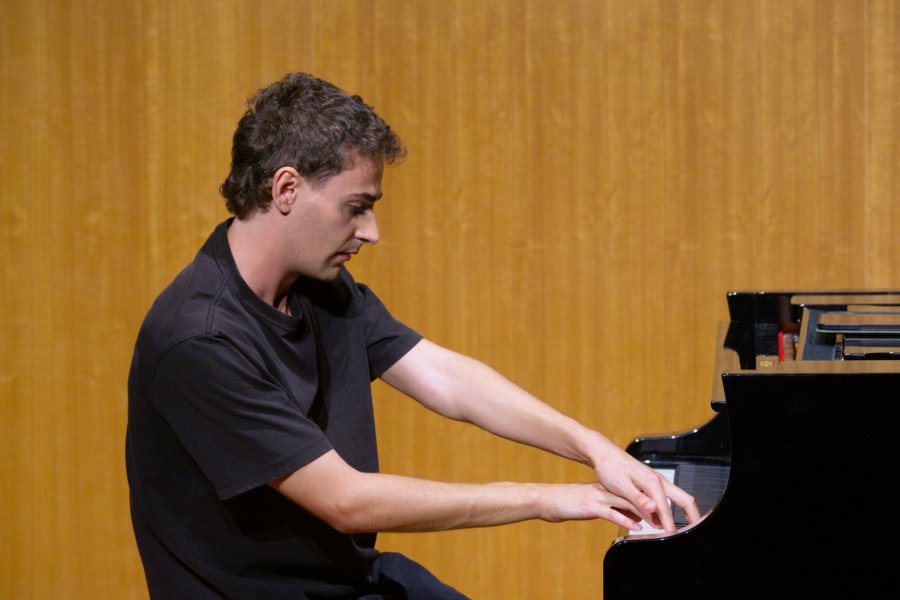
When the Beethoven began, it immediately became obvious that the musicians were enjoying themselves on the stage. The performance was joyful in the quick movements, and haunting in the slow, ghost-inspired Largo movement. As the strings soared above, Go spilled a multitude of notes underneath, often trembling like the lid of a boiling pot as her hands danced across the keys with lightning speed.
After the Beethoven, composer Melody Eötvös introduced her work, which was inspired by the Mountain Ash tree, which lives for hundreds of years, and is reborn after its seeds germinate through the power of bushfire. The piece, which was inspired both by the tree and the concept of perseverance through stress, was both modern and lyrical, and thoroughly enjoyable to hear.
Although advertising for the program heavily emphasised the popular Beethoven trio, the second half of the program is where the musicians truly shone. Both works at times exuded a haunting quality that could have carried over from the “ghost” in Beethoven’s work.
The Boulanger emanated alternately with passion and delicacy throughout its melancholy depiction of a sad evening.
The Ravel added virtuosity on top of the passion and delicacy it carried over from the previous work, in a brilliant expression of the skill and musicality of the three performers. The ghost of Beethoven would have thoroughly enjoyed the evening.
News all day, every day at CityNewsQBN.com.au.


Leave a Reply