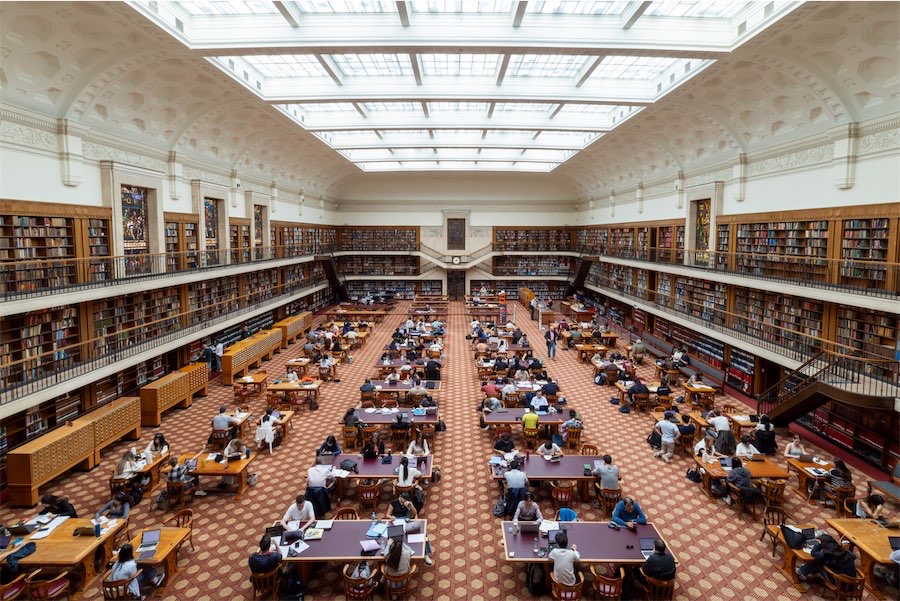
To read books or not to read? That is the question, says book reviewer COLIN STEELE who is reviewing three books about, well, books! Looking after them, looking out for them and loving them in libraries.
The huge crowds at the Lifeline book fairs each year in Canberra certainly don’t give the impression that print books and book reading are dead.
Indeed, according to the 2025 NielsenIQ BookScan, 70 million print books were sold in Australia last year.
According to the 2024 National Reading Survey, however, 25 per cent of the general Australian adult population had not read or listened to a book in the previous year.
According to the survey, those who do can be divided into general and engaged readers, the latter reading one book at least a fortnight
Paperbacks are the most popular format (75.8 per cent). Female readers are more prevalent than male across all age groups. Young Australians, delineated between 15 and 24, are more likely to read graphic novels/comics and e-books over print books. Crime fiction and “romantasy” are the most popular categories.
The cited Nielsen figures don’t include audiobooks, which constitute the fastest-growing book format.
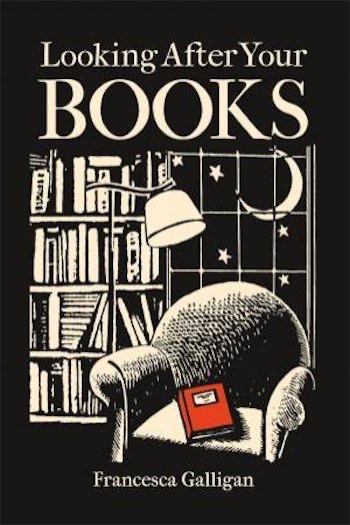
A significant proportion (39 per cent) of Australian readers don’t have enough room to keep books. Indeed, John Updike once said: “Books are heavy freight… They make us think twice about changing addresses.” But if you do have space and are a book enthusiast, then turn to Looking After Your Books (Bodleian Library Publishing, $34.99) by Francesca Galligan, deputy head of rare books at Oxford’s Bodleian Library,
Topics covered by Galligan include how to house and organise books, whether they be paperback editions of Agatha Christie or rare books or first editions; how and where to buy books and how to list, repair, conserve and even dispose of them.
She also examines the psychology of book collecting with personal asides and historical examples.
Galligan mentions how some collectors seek to match editions, although she doesn’t go as far as the British firm Curated Books, who will sell you books arranged by subject, date, size or colour for your house. Background books regularly feature in the background for TV interviews and Tik-Tok presentations, but one wonders whether the books have actually been read.
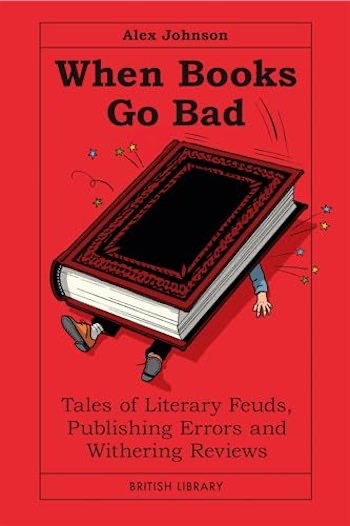
In When Books Go Bad (British Library, $29.99) – with a subtitle, Tales of Literary Feuds, Publishing Errors and Withering Reviews – author Alex Johnson delivers, in 13 subject chapters, a wonderful selection of authors, mostly men, behaving badly especially through literary betrayals, insults and feuds.
Gore Vidal, who delivered many sharp words of his literary and political contemporaries, said on the death of Truman Capote – “A brilliant career move”. Virginia Woolf believed James Joyce’s Ulysses was “the book of a self-taught, working-class man and we all know how distressing they are”.
Literary feuds covered include those of Jean-Paul Sartre and Albert Camus and Julian Barnes and Martin Amis. The long-standing feud between VS Naipaul and Paul Theroux began when Theroux noticed that books that he had personally inscribed and donated to Naipaul were on sale in a bookshop for $1500 each.
You can sometimes have too many books. Galligan documents how a Hong Kong bookseller, who ran the Green Text Book Store, was killed in 2008 when a bookcase packed with boxes of books fell on top of him. The house of renowned Canberra book collector Alan Ives was one in which its owner was almost booked out of the house as those who visited well remember. The sorting and reallocation of the books after his death in 2017 was apparently a mammoth operation by his bibliophilic friends
Galligan comments that books constitute memory and those memories should be preserved in our major libraries.
One outstanding Australian library with many such memories is the State Library of NSW, which has its 200th birthday in 2026. This is celebrated in The Library That Made Me (New South. $49.99), edited by Richard Neville and Phillipa McGuinness, a beautifully produced and well-priced book with numerous illustrations,
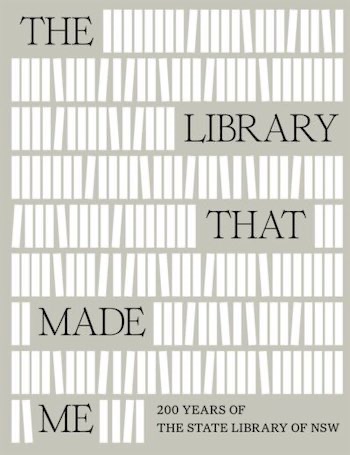
The book begins with Damien Webb providing an indigenous reflection through an examination of the Mitchell library’s bronze portico doors. Neville provides a short history of the library, while colour photographs recount a day in the life of the library.
A major section of the book contains reflections from a wide range of Australians including Annabel Crabb, Thomas Keneally and Markus Zusak on what libraries have meant and mean to them.
The Library That Made Me also reminds us that libraries are also vibrant cultural and community hubs, open to all and providing digital access to a wide range of resources in an era of increasing inequality.
News all day, every day at CityNewsQBN.com.au.


Leave a Reply