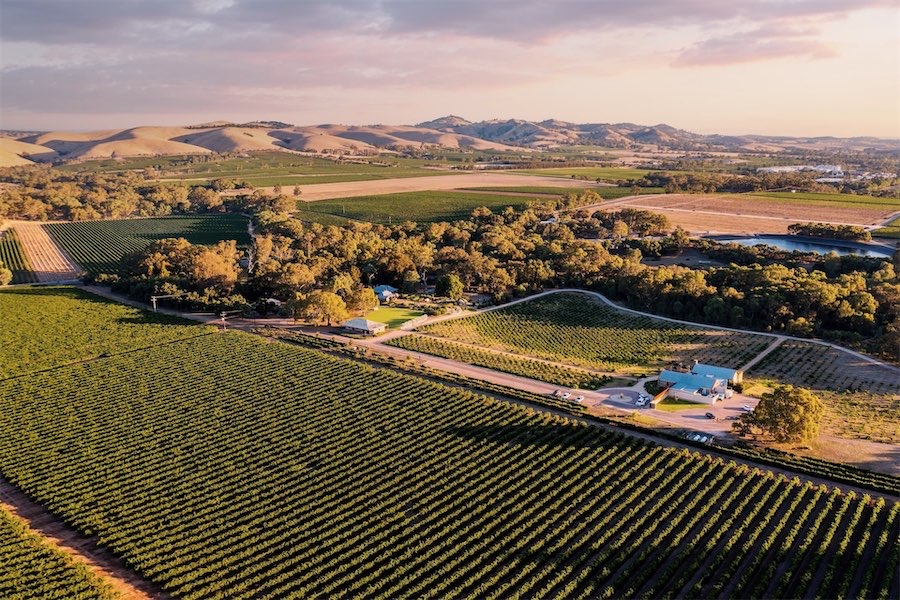
The Barossa Valley… regions known for premium products, including the Barossa Valley in SA, are expected to remain resilient. Photo: Barossa Australia
“Younger consumers are drinking differently from previous generations. They are less attached to formal wine culture and, where they do drink wine, favour lighter, fresher and more approachable styles,” writes wine columnist RICHARD CALVER.
I recently read in Knight Frank’s Wealth Report 2026 a fascinating section entitled “Glass half full: the changing landscape of vineyards and wine”.
Richard Calver.
It argues that, despite significant disruption in the global wine industry, there are emerging opportunities for adaptable producers, investors and regions.
The report adopts a cautiously optimistic view: while traditional wine markets are under pressure from climate change, changing consumer habits and declining overall consumption, these forces are reshaping the industry in ways that favour innovation, as well as rewarding a move to premium wines.
A central theme is the impact of climate change on viticulture. Rising temperatures and unpredictable weather patterns are affecting traditional wine regions in southern Europe by reducing yields and altering grape quality.
In response, producers are experimenting with different grape varieties, new growing methods and cooler-climate locations.
The report suggests that cooler regions are increasingly attractive because they can produce lighter wines that align with changing consumer preferences.
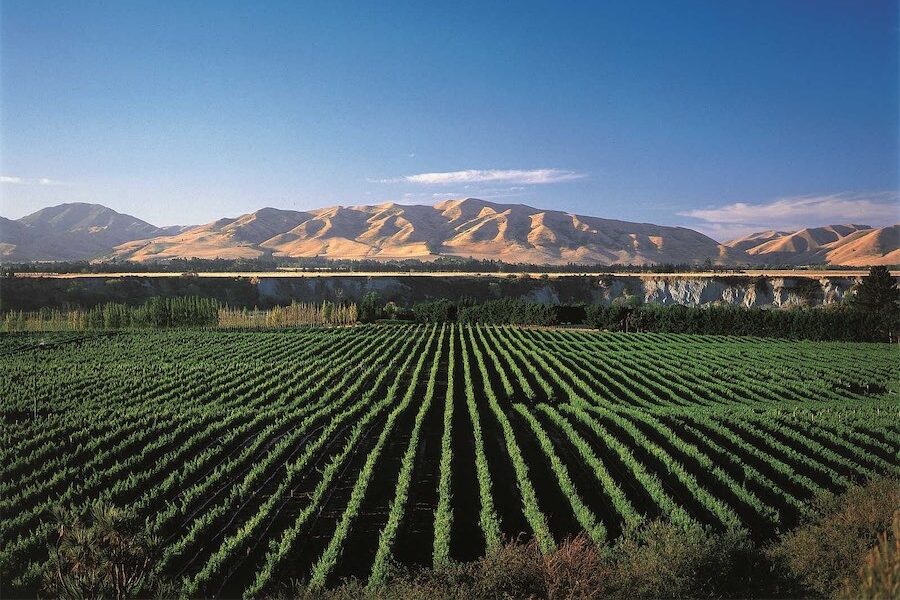
Regions identified as likely beneficiaries include Germany’s Mosel and Rheingau, England’s southern counties, Tasmania, Marlborough in NZ and Oregon’s Willamette Valley. From my own experience, Tasmanian wines are especially improving in quality and this analysis resonates with the growing success of that region.
The report also highlights a major shift towards premium wine production, a noticeable trend in the Australian domestic and export markets.
Although local and global wine consumption is falling in volume terms, consumers are spending more on higher-quality wines.
The report says that wealthier consumers increasingly value craftsmanship and terroir over mass production.
As a result, regions known for premium products, including the Barossa Valley in SA, are expected to remain resilient.
The report argues that vineyards able to tell compelling stories about heritage, sustainability and place will stand out in a crowded market. Stories matter.
Despite the observation that the Barossa is expected to remain resilient, the report found that the value of the Barossa Valley’s vineyard land fell by 10 per cent over the past year.
It is at the bottom of the global rankings for vineyard land measured by cost per hectare.
One factor that drove this decline is the region’s exposure to the Chinese market before tariffs disrupted Australian wine exports in 2020. Even though tariffs have been removed, the shock affected valuations.
Changing generational tastes form another important trend. Younger consumers are drinking differently from previous generations. They are less attached to formal wine culture and, where they do drink wine, favour lighter, fresher and more approachable styles, including reds that are meant to be drunk chilled (shudder).
Health and wellness concerns are also reducing demand for “heavy” or big high-alcohol wines, often produced in the Barossa.
Sustainability is presented not as a niche concern but as an essential business requirement.
Consumers increasingly expect evidence of environmentally responsible production, including organic and biodynamic practices.
The report points to NZ as a leader, noting the widespread adoption of certified sustainable winegrowing practices in my childhood country. Sustainability is portrayed as both a marketing advantage and a long-term commercial necessity for preserving vineyard value and attracting those pesky younger buyers.
Finally, the report observes that wine is increasingly part of the “experience economy”.
Consumers are seeking immersive hospitality experiences rather than simply purchasing bottles; that conclusion sits sympathetically with the growth of Australia’s wine tourism.
Successful vineyard businesses are therefore evolving into tourism and lifestyle destinations offering restaurants, accommodation, education, events and curated experiences. Where’s my invitation?
With soil warming, it’s time to plant tomatoes, capsicums, cucumbers and other summer vegetables for a productive harvest, writes gardening columnist JACKIE WARBURTON.
"In 2026, NZ had an increase in overall sales of wine of eight per cent, a remarkable statistic given the global decline in wine sales generally," reports wine columnist RICHARD CALVER.
Hats off to the National Gallery for repositioning its café – Oculus Café x Kitchen by Mike – to the ground-floor foyer with views of the Sculpture Garden, writes dining reviewer WENDY JOHNSON.





Leave a Reply