By Poppy Johnston in Canberra
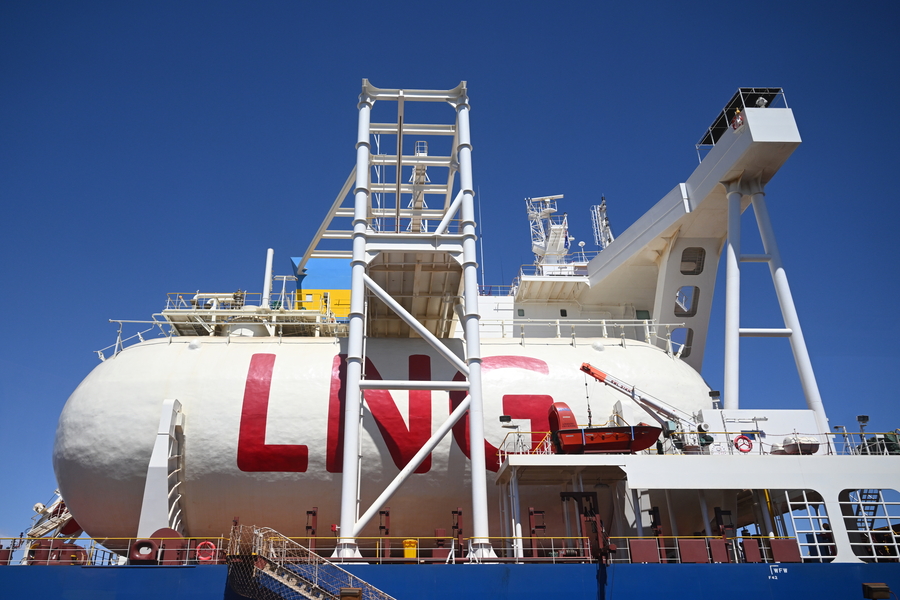
Australian gas exporters might already have signed their last contracts with overseas buyers as fresh modelling suggests a glut of cheap supply and climate goals will temper demand.
Challenging industry forecasts of robust demand for Australian LNG as advanced Asian countries transition and developing nations industrialise, consultancy Climate Resource anticipates a decline in demand for the imported fuel.
Stable or falling demand for imports from Australia’s biggest customers is expected as less gas is used for electricity generation due to emissions-slashing pledges, cheap renewable energy and moves away from brittle fossil fuel supply chains.
The US and Qatar are also expected to flood the global market with supply in the late 2020s and early 2030s, despite delays caused by damage to the Ras Laffan LNG terminal during the Middle East war.
In addition, as countries decarbonise, those with domestic gas industries – such as China and India – are expected to prioritise their own supply over LNG imports that must be liquefied, shipped and regasified at great expense.
“LNG is the most expensive option and the first to go,” Climate Resource decarbonisation lead Anita Talberg said.
“LNG demand falls faster than gas demand.”
Future demand forecasting by industry typically focuses on total gas use.
By isolating uncontracted LNG demand, Climate Resource was able to predict whether Australia’s contracts would likely be renewed or new ones negotiated.
Based on the research, Australia’s network of gas contracts might be the last ever sold to buyers.
Existing contracts already exceed total global demand by 2027 in a 1.6C scenario and only modest increases in LNG are needed under a 2C pathway – supply that will likely be met by cheaper incoming US and Qatar product.
Disruptions to Middle East LNG supplies have sent prices soaring across the globe and brought fossil energy supply chains into sharp focus.
This has prompted calls from industry and its supporters to boost domestic production and exploration in response to the crisis.
Investor Group on Climate Change policy executive director Francesca Muskovic said the longer-term trend continued to point towards weakening demand for Australia’s LNG despite the short-term crisis.
“If anything, you’re going to see an acceleration in the trend towards electrification out of this crisis,” she told AAP.
“You’re not seeing any of our Asian trade partners suggest that the longer term, the future for their country, and as regards to meeting their climate commitments, involves increased use of LNG.”
The Australian government’s own modelling points to the decline of the LNG export industry, with the value of coal and gas exports predicted to fall 50 per cent by 2030 on Treasury numbers.
News all day, every day at CityNewsQBN.com.au.




Leave a Reply