Handball player Bree Keyes… “I was definitely probably anxious at the start, you know, will people accept me because I’m not in a wheelchair?”
An injury ended Bree Keyes’ handball career as a national player. And it’s handball that’s brought her back. She talks to DHWANI PATHAK.
For seven years, Brianna “Bree” Keyes thought her handball career was over.
She had spent more than a decade travelling the world, representing Australia in indoor handball from the age of 17 and working her way through junior and senior international competitions.
Then, in 2019, an ankle injury changed everything.
Keyes stepped on another player’s foot during a game and suffered significant trauma to the joint. Several surgeries followed, but instead of fixing the problem, they made it worse.
Her international handball career came to an abrupt end.
“I went from basically the top to, I guess, a bit of a forced retirement,” she said.
For someone whose life had revolved around sport, the change was difficult to accept.
Keyes could no longer play social sport, go on long hikes or even ride a bike easily. Activities she had once taken for granted became difficult.
“It was really hard to come to terms with not being able to do those things,” she said.
She also found the loss difficult to explain to others.
Keyes does not use a wheelchair in her daily life and her walking appears relatively unaffected because of adjustments to her shoes. For years, people assumed she had simply retired from handball and moved on with life.
“I think that was the hardest thing because it was a really difficult thing to explain,” she said.
That began to change when Keyes saw a story about a snowboarder who had moved from able-bodied competition to the Paralympics after an injury.
Bree Keyes before her international handball career came to an abrupt end… “I went from basically the top to, I guess, a bit of a forced retirement.”
Having moved to Canberra from Sydney in 2021, Keyes began researching para sport and contacted the ACT Academy of Sport and Paralympics Australia, which helped guide her through the international disability classification process.
After about six months of assessments, medical evidence and specialist reviews, she was classified as eligible.
Then everything happened quickly.
Within days of being told she was eligible, Keyes attended her first wheelchair handball camp.
“It was a bit of a whirlwind,” she said.
Wheelchair handball was a natural fit for someone with her background, but it was not an easy transition.
Keyes had to learn the technical skills of moving and controlling a wheelchair while developing the upper-body strength needed to generate power.
“It’s extremely technical and extremely difficult,” she said.
Her previous handball experience has nevertheless given her an advantage. Her understanding of strategy, shooting and passing has allowed her to take on a more offensive role in the mixed-gender wheelchair game.
Now, just months after returning to competitive handball, Keyes is preparing to represent Australia at the Wheelchair Handball World Championship in Spain from September 14 to 21.
She could also make handball history.
Keyes is believed to be the first player to compete at both an able-bodied and wheelchair handball in a world championship.
However, for her, the significance goes beyond a record.
“I just kind of felt like me again,” she said.
The return has also helped Keyes reconnect with a part of herself she feared she had lost forever.
Her two-year-old daughter has watched her train, calling out, “Go mummy, go.”
Keyes said seeing her daughter on the sidelines in Spain will be a particularly special moment.
So will standing for the Australian national anthem.
“I don’t think that anything can really compare to that moment,” she said.
“When I was younger, I probably took it a bit more for granted, because I’d been doing it for so long,” she said.
This time, she says, it will mean more.
Keyes hopes her experience also challenges misconceptions about para sport.
“I was definitely probably anxious at the start, you know, will people accept me because I’m not in a wheelchair?” she said.
Instead, she found a welcoming group of athletes with different abilities and strengths.
She now hopes others who may not realise they are eligible for para sport will consider getting involved.
Getting to Spain, however, comes at a cost.
The Australian players are largely self-funded. Keyes has paid $560 for her team uniform and expects to spend about $3500 on flights, alongside training and other costs.
She is also taking leave without pay from work to meet the demands of training.
Her fundraising campaign is helping cover some of those expenses.
Despite the challenges, Keyes says she would pay anything to have the opportunity to represent her country again.
“I think, for me, I have really tried to be someone who lives in the moment now and is really grateful,” she said.
Her advice to anyone facing a major change is simple.
“Be kind to yourself, and it takes time.”
Keyes said people should allow themselves to grieve what they have lost, then, when they are ready, reach out to their support networks and set new goals.
For Bree, one of those goals has taken her back to the court.
This time, she will be wearing an Australian jersey in Spain.
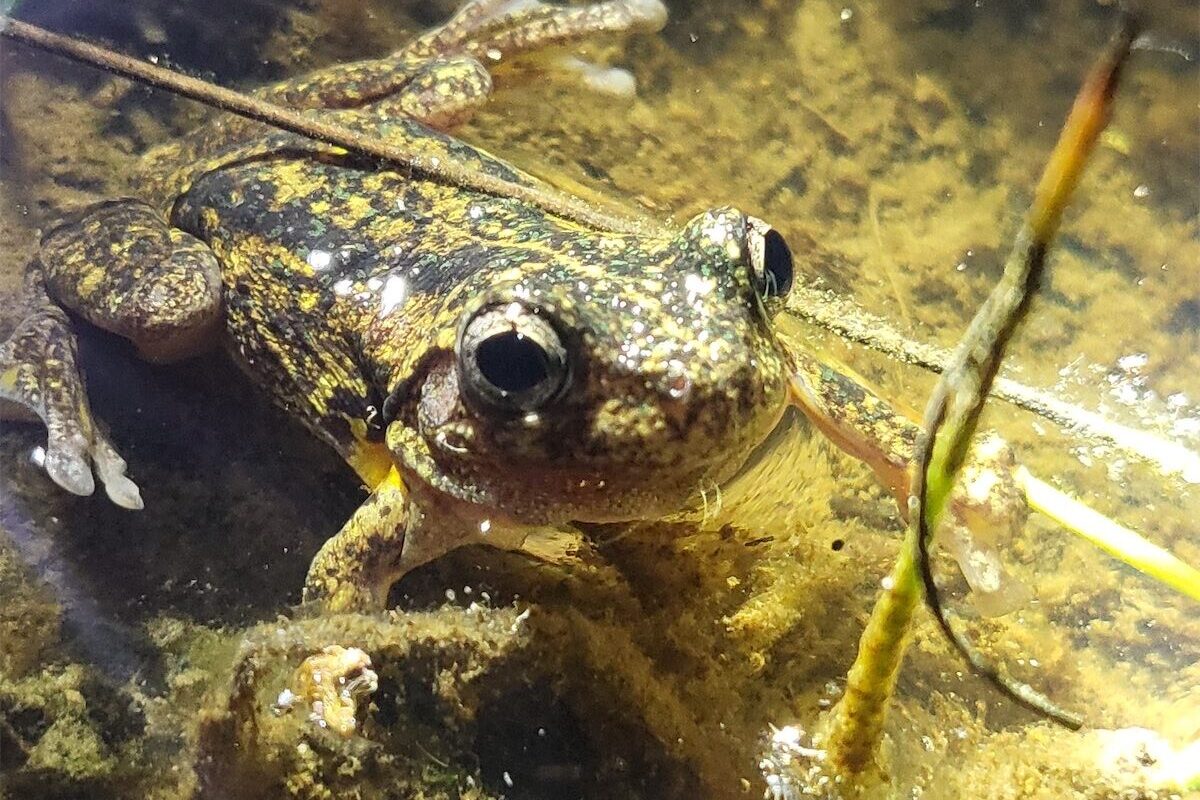
Canberra's frog saviour Anke Maria Hoefer has picked up a national Landcare award for her work bringing the green and golden bell frog back from extinction, reports DHWANI PATHAK.
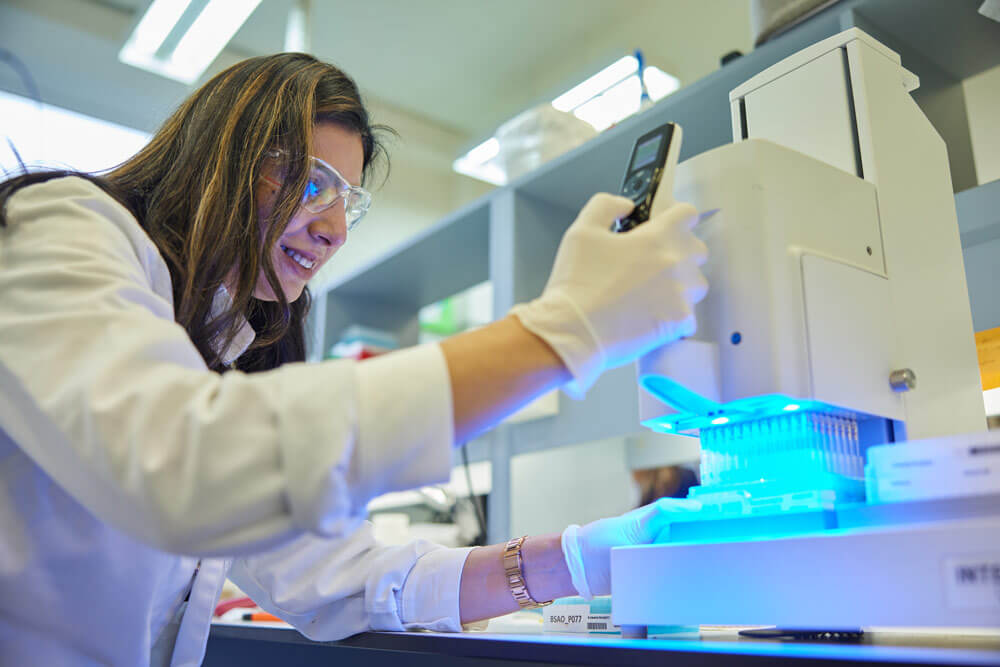
Canberra-founded biological intelligence company Diversity Arrays Technology has been named ACT Exporter of the Year at the 2026 ACT Chief Minister's Export Awards.



Leave a Reply