Book reviewer COLIN STEELE looks at the autobiographical accounts of the disparate lives of two British celebrities.
The personal lives of two British celebrities are to the fore in Alan Bennett’s Enough Said, the fourth instalment of his diaries, and Scottish pop legend Lulu’s memoir, If Only You Knew.
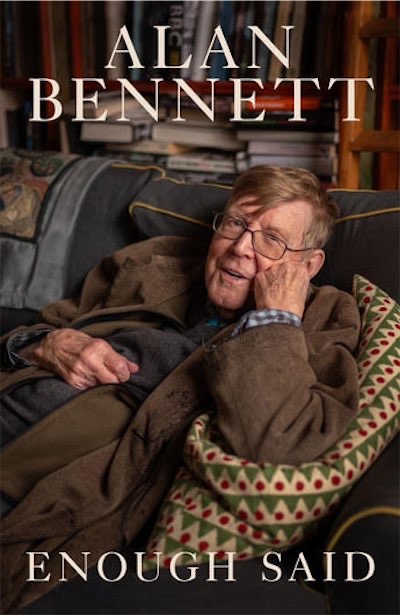
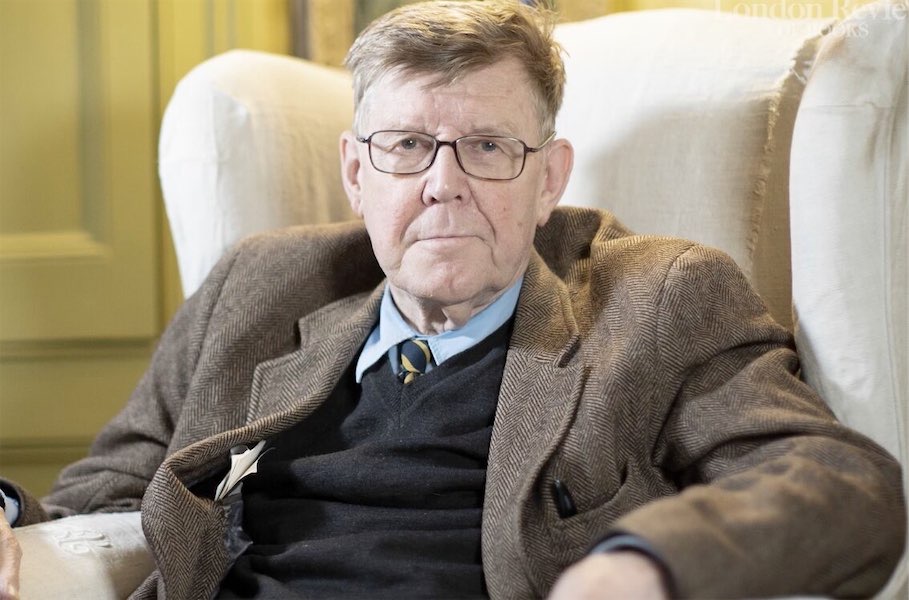
Bennett’s diaries, which cover the years 2016 to 2024, a year in which Bennett reaches 90, understandably contain a lot of health issues. Bennett reflects on ageing: “One’s ears get longer and one’s dick gets smaller.” On his increasing immobility, Bennett comments: “I’ve joined the limping proletariat.”
Fortunately, Bennett’s partner for more than three decades, the much younger Rupert Thomas, a distinguished magazine editor, carries a lot of the domestic load.
Far from being “a chronicler of the toasted teacake”, Enough Said (Faber. $59.95), is a perceptive, contemplative and often funny view of life, both personal and political.
On the political front, the diaries cover the covid lockdown, Brexit, political leaders such as Boris Johnson and Donald Trump, both of whom Bennett detests, and the death of the Queen. Bennett may now regret his comment on Keir Starmer’s election victory that Starmer’s “plainness… is a relief”.
On the personal front, there is much nostalgia looking back to childhood and family life in Leeds. Then in the 1950s National Service, an Oxford education and satirical success in Beyond the Fringe. His ambivalent relationship with fellow Fringe member and neighbour Jonathan Miller continued through the diaries.
When Miller says his production of The Mikado has been performed 300 times around the world, Bennett reflects that The History Boys has had 2000 outings. “I say nothing, but without feeling any better for not doing so”.
Bennett’s creativity continues, as documented in the diaries, including the 2018 NHS stage play Allelujah, subsequently filmed, and The Choral, set in small-town Yorkshire during World War I, currently streaming in Australia.
LULU’s memoir If Only You Knew (Hodder, $34 95), written with the help of ghostwriter Megan Lloyd Davies, lays bare the downside of success.
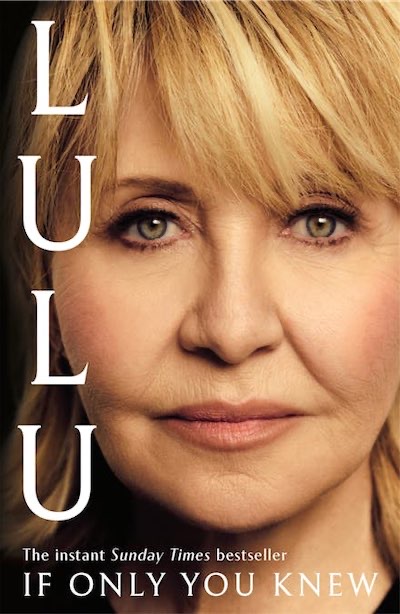
Born in Glasgow in 1948 as Marie McDonald McLaughlin Lawrie, the book opens with the words: “I was born Marie and I will die Lulu. This book is about the journey between those two people… And all the many shapes I bent myself into over 60 years in the music business”.
Lulu escaped materially from the grim Glasgow tenements, a dysfunctional family and an alcoholic father when her debut single, Shout, reached the UK top 10 singles chart in 1964.
She gained international prominence after appearing in and singing the theme song of the film To Sir, With Love, which became America’s biggest-selling single of 1967.
Lulu has recorded, performed, including the Glastonbury Festival last year, and starred in TV series over six decades. She has received an OBE and an CBE.
On the surface a huge success, but Lulu reveals completing her memoir, told in 76 chapters, reflecting her age, was “very cathartic”, a story that includes “the lows of addiction, divorce, and failure”.
Lulu recalls the hedonistic “Swinging London” of the late ’60s and ’70s, including an affair with David Bowie and socialising with the Beatles’ wives.
Lulu comments frankly on her two marriages. Her first, with the Bee Gees’ Maurice Gibb, only lasted four years: “We had two problems. One was the amount Maurice drank . . . The other was his often complex relationship with the truth”, including revealing an affair with Barbara Windsor. They divorced when Lulu was 24.
Then Lulu drifted into a relationship with a London “junior hairdresser” named John Frieda, who has since developed a multi-million hairstyling global business. They were married for 14 years and had one child, Jordan, but their increasingly busy lives drove them apart, with Frieda recently commenting that “I did not want to be ‘Mr Lulu’”.
Lulu fills the pages with many names she met during her career, but the success masked a workaholic nature, not lessened by the relentless drive of her early managers, and an increasing dependence on alcohol. “I was the child and the grandchild of an alcoholic”, which led to six weeks of rehab in an American clinic in 2013. Lulu notes she has been sober ever since.
Lulu concludes: “This is the story of being a fallible, imperfect human. A woman. I hope that parts of it resonate”. They certainly do in a candid memoir with a last chapter titled One Lucky Girl.
News all day, every day at CityNewsQBN.com.au.


Leave a Reply