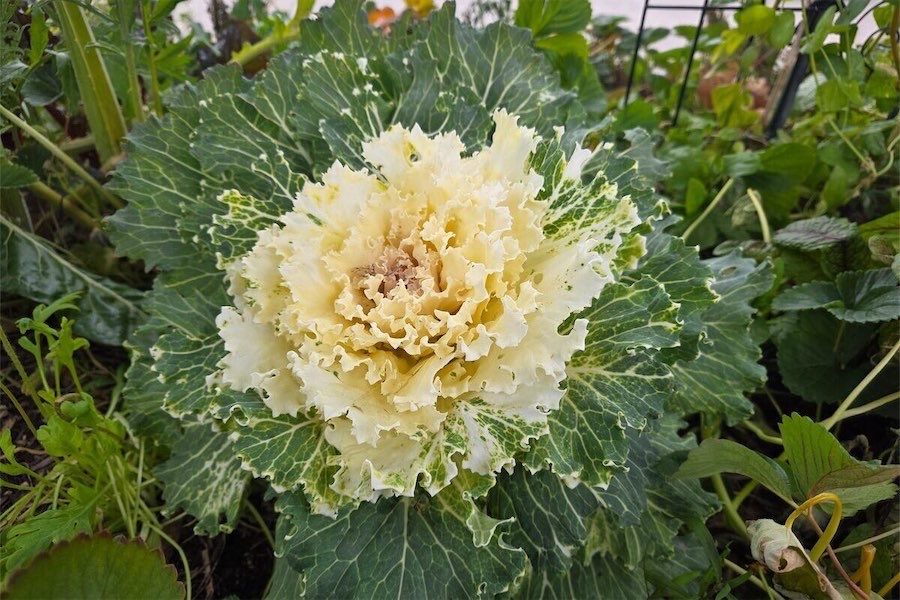
Ornamental cabbages and kale bring colour to winter gardens, thriving in the cold when little else grows, writes gardening columnist JACKIE WARBURTON.
Ornamental cabbages and kale can be grown in the winter garden to fill a space and add a little colour.

They are among the few plants that continue to grow as the season moves into winter. In many cases, the colder the conditions, the stronger the foliage colour.
Ornamental cabbages form a round rosette, making them highly decorative in mass plantings or pots. As annuals, they will lose their shape when spring returns.
Like all brassicas, they attract white cabbage moths, though this is less of a problem in winter when pests prefer warmer weather.
Caterpillars can be handpicked in the morning or controlled with a light dusting of diatomaceous earth. Another option is to plant land cress (Barbarea verna) nearby as a dead-end crop, encouraging pests to lay eggs on the cress instead. As a bonus, land cress thrives in cold conditions and makes a useful winter salad.
It can be sown outdoors most of the year, except July and August. Grow it in full sun and, with moisture, it can be ready to harvest in as little as eight weeks. It is also a reliable cut-and-come-again crop.
BROAD beans can be planted now and throughout the colder months, either in garden beds or the vegetable patch. As a legume, they return nitrogen to the soil, supporting spring growth. They also flower in late winter, coinciding with fruit tree blossom and attracting bees. The beans have a double skin and can be fiddly to prepare, but there are plenty of simple recipes, especially when there is a glut.
WHILE autumn brings a show of foliage colour, there are still flowers appearing each week. An old-fashioned shrub worth revisiting is the fuchsia, which grows well in a dark corner and often goes unnoticed until it blooms.
Fuchsias prefer moist soil but need little care once established. Many hybrids offer striking, contrasting flower colours. Canberra’s cold soils can make in-ground growing difficult, but they are well suited to protected spots or hanging baskets, which help keep roots warmer.
They are long flowering and respond well to pruning. A firm cut back in spring, followed by a light tidy in summer, along with some fertiliser, will keep them blooming for months.
As they flower on new wood, regular trimming is beneficial. Plant in a sheltered sunny position; too much shade can limit flowering. Keep roots mulched and apply dynamic lifter to improve soil and provide nutrients.
For more information, the Canberra Geranium and Fuchsia Society has been a local resource since 1968, with a website (cgfs.org.au) full of useful advice.
KEEP adding leaves and twigs to compost piles to help them break down, ready for use in spring.
Jottings
- Tulips are the last spring bulbs to be planted.
- Pick apples before the birds do.
- Pick kiwi fruit and ripen indoors.
- Keep water up to citrus while they are flowering.
News all day, every day at CityNewsQBN.com.au.




Leave a Reply