By Kaaren Morrissey
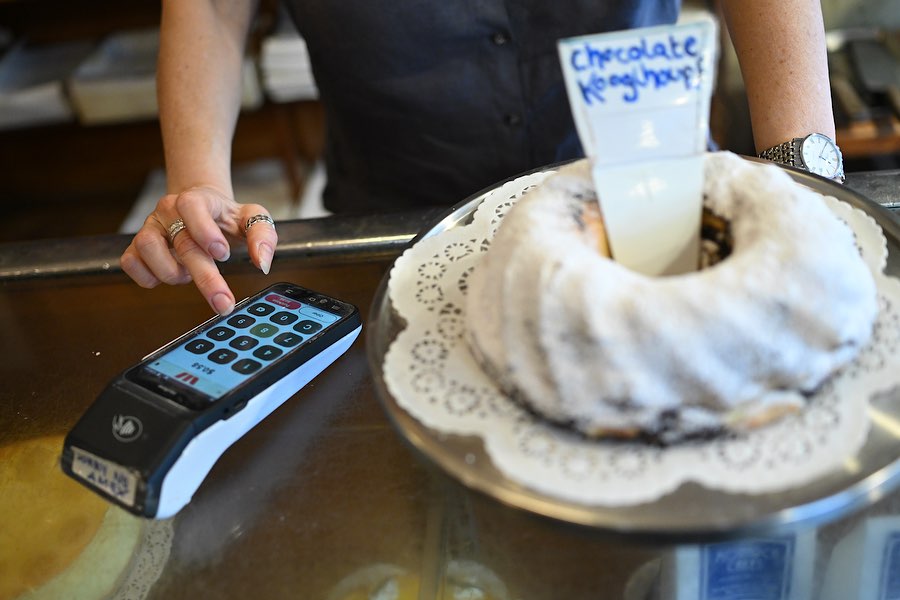
Smaller businesses battling rent, power and wage bills could raise prices after most tried to absorb costs linked to a ban on debit and credit card surcharges.
A fifth interest rate hike and the flow-on effects on fuel and supply chains due to the Middle East war are wreaking havoc on smaller operators.
Even as households tighten their belts and the economy weakens.
At the same time, cafes, restaurants and other hospitality and retail businesses have had to deal with extra operating costs arising from a ban on charging customers card surcharges that came into effect six weeks ago.
“Many merchants said they were going to offset the surcharge by increasing prices,” the head of major non-bank eftpos provider Tyro, Nigel Lee told AAP.
“What we saw was a smaller portion of that to be the case.”
Tyro, which has about 80,000 merchants and fields hundreds of thousands of transactions a day, looked at who was passing on the surcharge to customers before and after the October 1 ban.
It discovered that of the merchants already surcharging, only 9.4 per cent increased prices in the first week before that number jumped to 12.4 per cent three weeks later.
And of those, 61 per cent increased prices more than the surcharge amount by as much as three times.
“It is indicative that certain merchant categories are trying to juggle not just the surcharge but all the other input costs that are occurring and changes in the macroeconomic environment,” Mr Lee said.
“The suspicion we have is that that’s probably going to continue and we will see some of that creep through to the end of the year, particularly with increases in rates.”
Some merchants had tried to get ahead of the October 1 ban by raising prices in July, Mr Lee discovered after sitting down with some of Tyro’s clients.
“They increased their prices up to 10 per cent and said, ‘We’ve got another six to nine months before we would increase prices again in our menu’,” he added.
“So to me that is indicative of what we’re going to gradually see with many small merchants between now and the end of the year.
“But they do have to balance the issues of remaining relevant to their consumers.”
Tyro’s findings were based on 65,000 clients in the retail, hospitality and services sector.
The platform provider, which is the fifth-biggest eftpos provider after the big found banks, left out 15,000 health sector clients and is expected to release new data on this cohort in the coming weeks.
The surcharge ban was driven by the central bank to give consumers transparency at the till, after shoppers complained about micro charges of about eight cents on every $10.
Australians, who make $100 billion worth of purchases involving about 1.4 billion transactions each month, are expected to save about $1 billion over time.
But payment providers still have to cover the interchange fee – paid by the merchant’s bank to the customer’s bank when a payment is processed – and shopkeepers still pay merchant fees to their banks.
Down the track, retailers should have better visibility on merchant fees because the central bank plans to publish pricing information from card networks, making it easier to find a better deal.
News all day, every day at CityNewsQBN.com.au.




Leave a Reply