Chief Minister Barr says Labor’s ongoing, 25-year electoral success was the result of quality election campaigns, candidates and, despite mounting evidence to the contrary, policies. Graphic: Susie Dodds/AAP
“While it developed effective energy and stamp duty policies, ACT Labor’s overall response has been hindered by superficial analysis, partly stemming from the absence of an opposition to hold it to account,” writes planning columnist MIKE QUIRK.
ACT Labor’s 2001 election win was unsurprising given the poor performance of the then Liberal government.
Mike Quirk.
Its highlights included the Bruce Stadium fiasco and the disastrous Royal Canberra Hospital implosion.
And this one: community opposition to what Labor characterised as an ad-hoc urban infill program that threatened the character of “garden city” suburbs. Ironic given the recent missing-middle reforms allow the ad-hoc development of dual occupancies.
Notwithstanding Chief Minister Barr’s suggestion that the ongoing, 25-year electoral success was the result of quality election campaigns, candidates and, despite mounting evidence to the contrary, policies, a major factor has been a perennially divided and unelectable Liberal opposition.
The ACT Government’s main responsibility is to manage growth, and the associated demands for housing, services and facilities generated by Commonwealth activity.
Between 2001 and 2026 the Territory’s population increased from 322,600 to 490,000, with low growth in the early 2000s and strong and consistent growth since then, fuelled by substantial net overseas migration with the exception of 2020 and 2021– the covid years.
While it developed effective energy and stamp duty policies, ACT Labor’s overall response has been hindered by superficial analysis, partly stemming from the absence of an opposition to hold it to account.
A major concern is the Territory’s poor fiscal position, which independent economist Saul Eslake attributed to “conscious policy decisions” by the government.
Territory spending on services and major infrastructure projects has grown significantly faster than revenue, increasing deficits and debt.
Undertaking large-scale projects has reduced the funds available for social housing and essential local services, including healthcare and schools.
The increase in debt will reduce the funds available for services and infrastructure.
Concerns identified by critics, including CityNews columnists Jon Stanhope and Khalid Ahmed, have included the opaque determination of infrastructure priorities; the bungling of the MyWay+ rollout, theHuman Resource Information Management System and the Campbell primary school refurbishment; systematic underfunding of health and escalating emergency and surgery times and limited progress in meeting closing-the-gap targets.
The government’s poor response to planning and transport issues is indicative of its inadequate analysis across policy areas.
Its 2018 Planning Strategy was not based on a genuine assessment of growth options. It provided a shallow evaluation of potential greenfield supply areas; the level of the infrastructure, travel, environmental and housing choice benefits provided through urban consolidation and the requirement for at least 70 per cent of residential releases should occur in established areas.
Consequently, it released insufficient land for detached dwellings, which has contributed to increased house prices and the growth of car-dependent development in surrounding NSW and associated loss of rates, land sales and GST revenue.
It has not adequately responded to the poor construction quality and design of redevelopments; oversold the benefits of the missing middle reforms and not fully addressed the environmental impacts of redevelopment, including the loss of vegetation, increased runoff and the creation of heat islands.
Despite a requirement for a review every five years, the strategy has not been reviewed.
The government has not reviewed the transport strategy, either, despite its 2026 target of 30 per cent of work trips to be made public transport, cycling and walking, nowhere close to being met.
A review would assess the most appropriate technology to operate on the intertown transport route to Woden.
Could a bus option be more successful than light rail in reducing car use and in achieving sustainability aims by freeing up funds for the accelerated purchase of electric buses and for increasing the frequency and coverage of the overall bus network?
Governing well is hard, even in an affluent jurisdiction. Detailed assessments across policy areas are needed to enable the limited funds available to be directed to those in greatest need. Can Labor (and the Greens) abandon their “we-know-best approach” and collaborate with other Assembly members to facilitate evidence-based decisions and stop the digging of a bigger fiscal hole?
Difficult trade-offs will be required and the reasons for decisions made public.
A stadium upgrade, for example, would require deferral of other projects. A more robust decision-making process may have prevented the premature construction of high cost/low benefit light rail stage 2A and could delay Stage 2B possibly increasing funding for health and social housing.
Mike Quirk is a former NCDC and ACT Government planner.
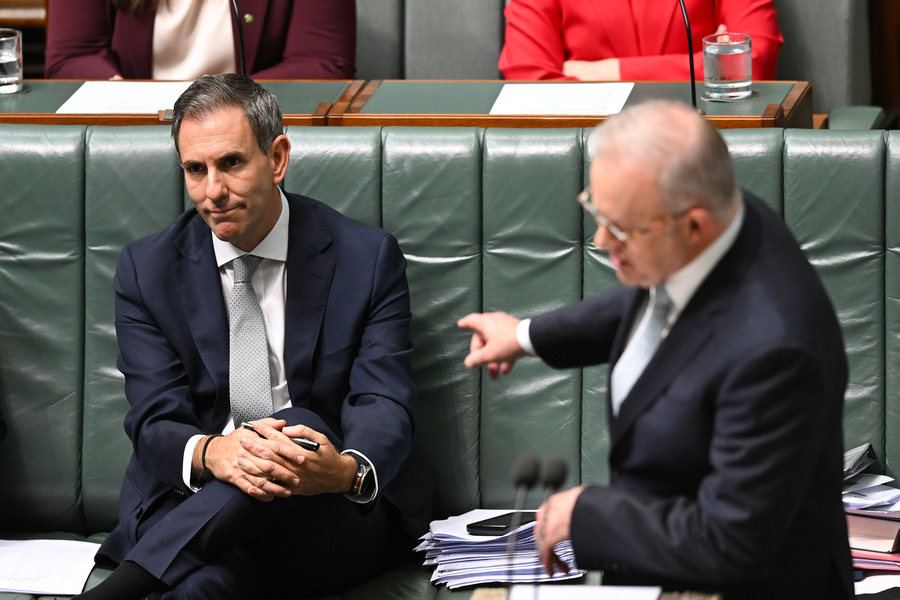
Political columnist MICHELLE GRATTAN says Jim Chalmers has become the centre of Canberra’s rumour mill, with speculation about his future as treasurer intensifying despite Anthony Albanese’s public support.
"The cost of living has turned up like an angry in-law and we have lost so much. The smart, smooth, strategic Labor of 2022 now looks like the snake oil salesperson of 1922.," writes political columnist ANDREW HUGHES.
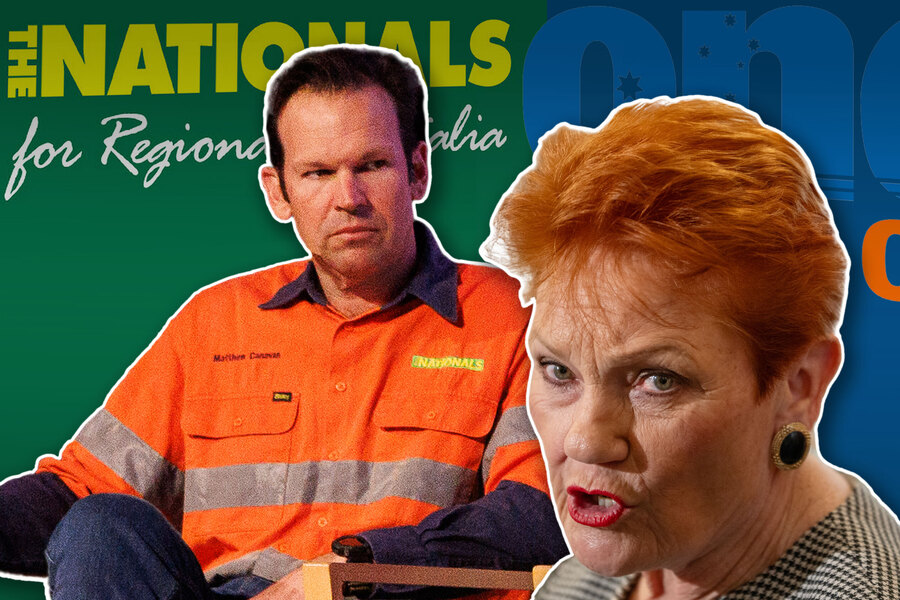
Political columnist MICHELLE GRATTAN says Matt Canavan may be heading for the House of Representatives, but One Nation’s surge raises a bigger question: how many Nationals colleagues will be there with him?




Leave a Reply