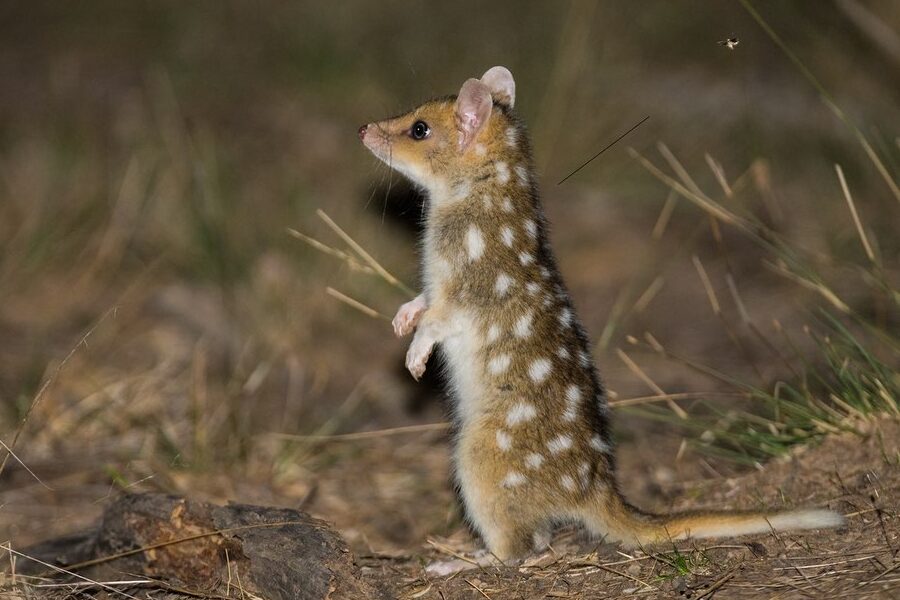
On Canberra’s northern outskirts, a predator-proof fence is helping bring back native animals that disappeared from the landscape decades ago – and restoring an ecosystem that was once close to being lost, writes ALISON RUSSELL-FRENCH.
Mulligans Flat Woodland Sanctuary, on the north-eastern edge of Gungahlin, adjoining the suburbs of Throsby and Forde, has become one of Australia’s most significant woodland conservation and research projects.
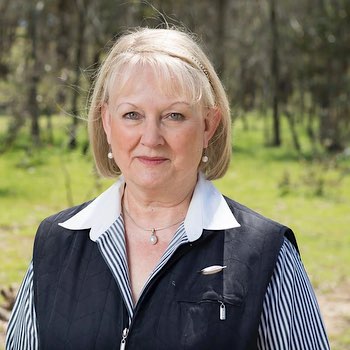
The restoration is being driven by the community-based Woodlands and Wetlands Trust and the Australian National University, in partnership with the ACT Government.
Together, they have spent more than two decades restoring threatened woodland habitat and reintroducing native animals, some of which had disappeared from mainland Australia almost a century ago.
The sanctuary is now a living laboratory, where researchers can study how returning native species help repair a damaged ecosystem.
And the results are increasingly visible.
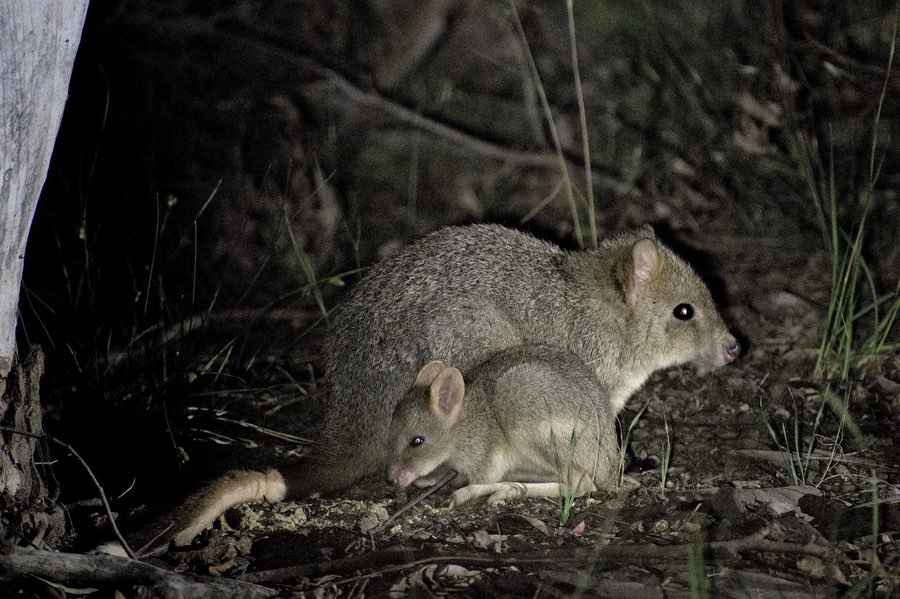
Among the sanctuary’s most important residents are Eastern Bettongs, small nocturnal marsupials reintroduced in 2012 after being absent from mainland Australia for almost a century.
Bettongs are known as ecosystem engineers, and for good reason.
In their constant search for fungi, grubs and tubers, they dig small V-shaped holes in the woodland floor. These depressions capture water, trap nutrients and provide protected places for native seeds to germinate.
Each bettong moves large quantities of soil every year, improving soil health and helping restore the natural processes that sustained these woodlands long before European settlement.
Eastern Quolls, reintroduced in 2016, play a different but equally important role.
These spotted, carnivorous marsupials help maintain the balance of the ecosystem by hunting small animals and scavenging carcasses.
Their return has helped restore a missing link in the woodland food chain.
Another reintroduction is the Bush Stone-curlew, a long-legged, ground-dwelling bird known for its eerie, almost human-sounding night call.
Its mottled plumage provides excellent camouflage among fallen timber and rocks, making the bird remarkably difficult to spot even at close range.
But restoring wildlife involves considerably more than releasing animals.
Researchers have strategically placed fallen logs throughout the sanctuary to provide habitat for insects and other invertebrates. These creatures are essential food sources for birds and other animals, while also contributing to soil health and the decomposition of organic material.
The work is particularly important because the sanctuary protects one of Australia’s largest remaining areas of Yellow Box–Red Gum Grassy Woodland.
More than 90 per cent of this once-widespread woodland ecosystem has been lost or substantially altered across eastern Australia.
Mulligans Flat’s predator-proof fence has been central to its success. By excluding introduced animals, particularly foxes, feral cats and rabbits, the sanctuary has created conditions in which threatened native species can breed and recover.
Funding for the fence came from Commonwealth and ACT government contributions and community donations.
The conservation program has also demonstrated the importance of long-term scientific research, with the reintroduced animals now contributing to the restoration of the woodland itself.
And the work is not confined to scientists.
For more than a decade, the Woodlands and Wetlands Trust has conducted twilight tours, taking visitors into the sanctuary after dark to observe native wildlife in its natural environment.
Spotlighting offers opportunities to see bettongs, quolls, sugar gliders, brushtail possums and other nocturnal animals, while guides explain the research behind their recovery.
The tours provide an opportunity to understand how a functioning woodland ecosystem operates, and how much has been missing from Australia’s natural landscape.
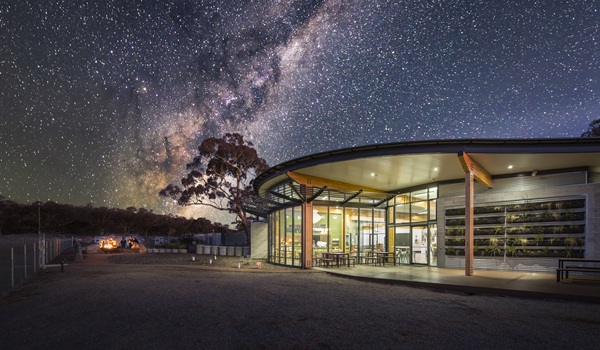
On clear nights, the sanctuary also offers expansive views of the night sky, away from much of the surrounding urban lighting.
The trust also operates Wildbark, its visitor and education centre at Throsby, adjoining the sanctuary.
Wildbark offers education and school holiday programs, encouraging children to participate in conservation activities and develop a better understanding of the natural environment.
From the visitor centre, walking tracks lead into the sanctuary, including to a nearby dam where water birds can be observed. Visitors might also encounter an echidna along the way.
The Woodlands and Wetlands Trust wants more Canberrans to understand the environmental significance of what is being achieved on their doorstep.
Mulligans Flat is more than a protected patch of bushland. It is demonstrating that, with sustained scientific research, effective protection and community support, some of the damage inflicted on Australia’s native ecosystems can be reversed.
And just beyond the suburbs of Gungahlin, wildlife that had vanished from the landscape is once again playing its part in keeping the bush alive.
More at mulligansflat.org.au
Alison Russell-French is chair of the Woodlands and Wetlands Trust, which helps manage Mulligans Flat Woodland Sanctuary.
News all day, every day at CityNewsQBN.com.au.



Leave a Reply