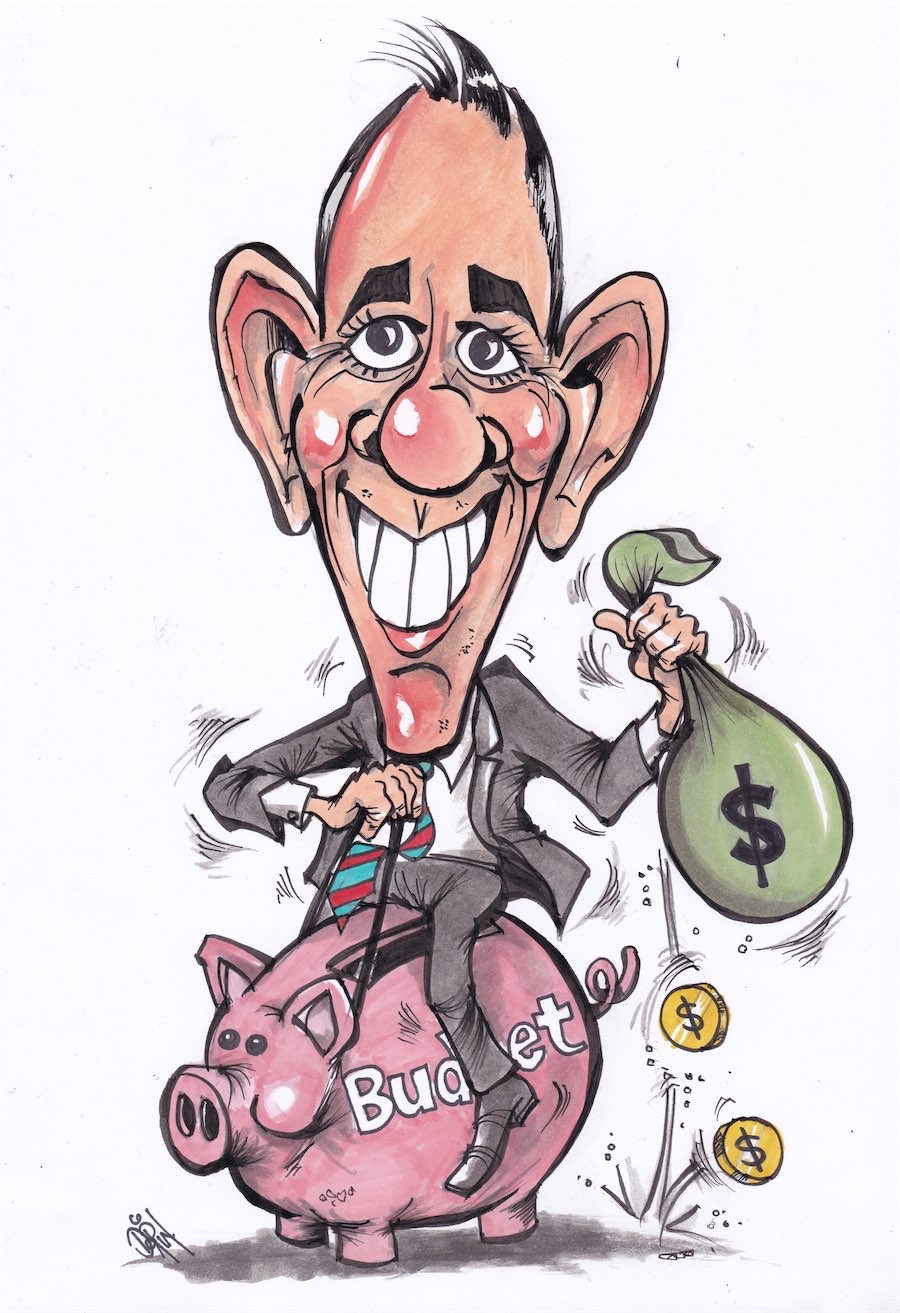
“The perception gap is big between what Labor wants us to believe and what living is like in 2026. Cost of living has been a pressure for most of this decade,” writes political columnist ANDREW HUGHES.
The federal budget is by far the single most important annual piece of legislation for the government. It is our State of the Union, and usually the only time many of us will watch parliament for anything longer than 30 seconds.

For this reason, the messaging of a budget can’t win elections alone, but it can cost them.
As is the current dominant strategy in messaging in politics right now, Labor has been relying upon narratives and storytelling to help market and brand the budget.
The storylines and narratives are needed, though as some excellent insights and analysis underline, where we really are financially right now. A good example is the press conference given by RBA Governor Michele Bullock when she announced the most recent increase in interest rates. Sobering, but it needed to be.
But she also noted how inflation had been rising before the Middle-East conflict started. That’s a very implicit nod to government spending at all levels.
Yet the contrasting narrative Labor has been trying to use is that the Middle-East conflict is the main reason why inflation is increasing. And, yes, it has had a significant role, but as Bullock pointed out, we are in a tight spot in areas beyond her scope.
Productivity is at record lows, wage growth is slow and increases aren’t linked to productivity, which is leading to capacity and supply constraints, in turn leading to slowing demand in a high-price environment. We all know what is coming next if we’re not careful.
Careful means austerity. Austerity means governments have to cut back on spending, or have it matched by equal increases in revenue aka tax increases. Yet government debt is climbing as per leading economist Chris Richardson and his analysis of the budget’s table of truth, or the table that shows total government debt.
So the government is now caught between an inflation rock and a slowing hard place. With limited choices the government had few options but to brand this year’s Budget around a narrative theme that helps obfuscate the reality: inter-generational wealth equality.
This narrative allows them space to start making slow changes to fulfill what is emerging as the single biggest economic reform idea of this decade, the move to lessen taxes on people and move it to capital.
In other words, messaging consistent with the Labor brand overall, of being about equality, fairness and social justice.
What is undoing this messaging is reality. The perception gap is big between what Labor wants us to believe and what living is like in 2026. Cost of living has been a pressure for most of this decade.
The reality is clear. For some, even doing second jobs is no longer enough to keep up. Working people are relying on charity as much as those without jobs. Having kids is a burden far too high for many and our natural growth rate is slowing.
Sub-30 and single? Home ownership is either a dream or a renovator’s special an hour commute away. Added into working long enough hours in a job you hope won’t get wiped out by AI. Even just being single in Australia is getting to be unaffordable for many. As new CityNews columnist Robert McMahon wrote recently, we are just meeting our needs and dreaming about our wants.
This is the dilemma for Labor on the messaging front – they can’t spend their way to greatness, they can’t cut as ways of reforms, they have to be austerity overlords and that hurts messaging of being the party of natural (Albanese) government.
Austerity will lead to aspiration, though by mid-to late 2027, just in time for guess what? Aspiration is perhaps one of the most important brand attributes for any centrist political party to have; to be seen as a government, natural or otherwise. It is a core plank of any messaging in an election.
Labor has already been leaning heavily on the austerity to aspiration connection. Treasurer Dr Jim Chalmers has been talking up the tax relief heading our way in the years to come.
The messaging here is not just about delivery of brand, but also stopping any chance of a resurgent Coalition from taking back seats at the next election. Yet it also needs policies at street level that allow for aspiration.
Federally 2026 is shaping up as the most formative of the Albanese government. However, this budget has to be the one in this term that sends the message that they are listening to us, not just each other.
Dr Andrew Hughes lectures at the ANU Research School of Management, where he specialises in political marketing.
News all day, every day at CityNewsQBN.com.au.


Leave a Reply