Parthenocissus quinquefolia…a go-to climber that grows well in our climate. Photo: Jackie Warburton
Prepare your soil now for garlic, greens and autumn vines, says gardening columnist JACKIE WARBURTON.
As the soil begins to cool, it’s the ideal time to prepare garden beds for winter crops and future planting. A little work now will set up a productive season ahead.
Jackie Warburton.
Garlic, shallots, silverbeet and spinach all benefit from being planted into well-prepared soil.
Garlic performs best in rich, weed-free ground with no root competition. Break bulbs into individual cloves before planting and choose only the largest cloves for the best harvest. Smaller cloves can be grown in pots for their foliage, then planted out in spring once they have developed. As a rule, the larger the clove at planting time, the larger the bulb at harvest.
Shallots are sometimes labelled as spring onions in grocery stores, though true shallots form small, teardrop clusters of bulbs. They can be harvested annually, but are naturally biennial, growing in the first year and flowering in the second.
If left in the ground, they will multiply over time. Plant them as you would garlic, spacing about 15cm apart for a spring harvest. Their mild flavour makes them a useful substitute for brown or white onions in most dishes.
Silverbeet and spinach are reliable fillers for the winter garden. If established before the cold sets in, they will continue to grow steadily. However, planting into soil that is already too cold can cause them to stall, only to bolt to seed quickly once the weather warms. Timing is key.
The golden shrimp plant… needs protection from the hot winds, but doesn’t mind full sun. Photo: Jackie Warburton
AUTUMN interest in the garden is not limited to trees. Many vines and climbers also deliver striking seasonal colour while providing practical benefits such as shade, screening and habitat for pollinators.
Before planting, consider whether you want an evergreen or deciduous climber, and understand how it grows – whether by tendrils that cling to surfaces or by scrambling over a support structure.
One reliable performer in our climate is Parthenocissus quinquefolia. Its lush green foliage offers cooling shade through summer, then transforms into brilliant red-orange tones as nights cool in autumn, creating a standout display.
Members of the Vitaceae family, including grapevines, are also worth considering. Edible grapevines (Vitis vinifera) are grown primarily for fruit, though their autumn colour is less impressive. Ornamental grape varieties, however, provide far more vibrant seasonal colour. Take care when pruning: edible grapes should not be hard pruned, as this can remove the fruiting spurs needed for the following season.
Climbers from this family are best planted in winter while dormant. Prepare planting areas now by incorporating compost and manure so the soil is ready in the coming months.
For something a little different, consider the shrimp plant (Justicia brandegeeana). It forms a small shrub in our region and benefits from protection against heavy frost.It flowers well in warm conditions and comes in shades of orange and red.
The yellow form, known as the golden shrimp plant (Pachystachys lutea), is a related species with a similar flower shape. Both prefer full sun with some shelter from hot winds. Regular tip pruning will help maintain a compact shape and encourage more blooms.
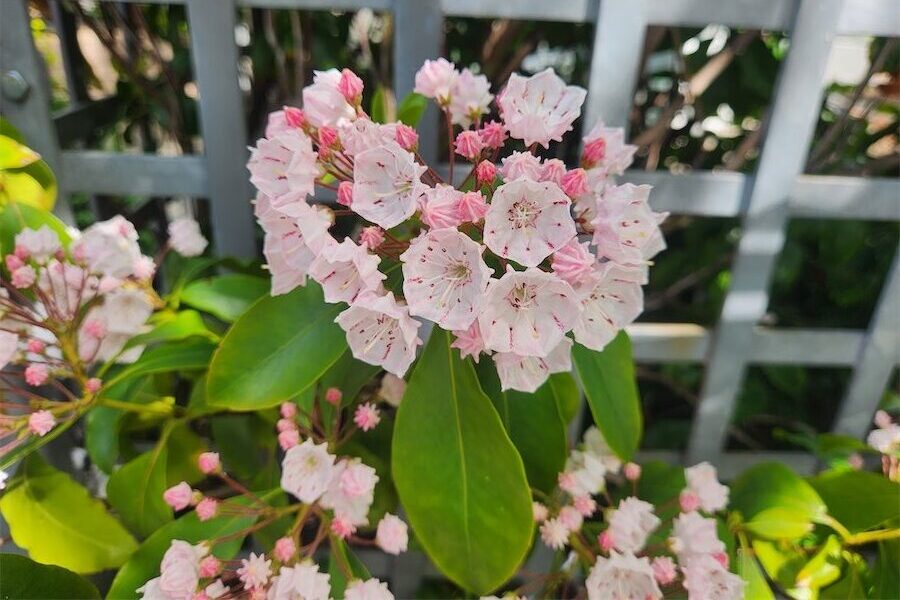
Mountain Laurel brings delicate pink spring flowers to the garden and is a tough evergreen well suited to Canberra’s cold climate, says gardening columnist JACKIE WARBURTON.





Leave a Reply