
Nerines are striking autumn bulbs that bring colour to cooler months and thrive with good drainage and sun, says gardening columnist JACKIE WARBURTON.
Autumn bulbs are coming into flower now, and one of my favourites is the nerine.

These bulbs put on a brilliant display of colour through the cooler months and can fill a gap in the winter garden.
When planting, keep the neck of the bulb proud of the soil and avoid wet feet. If flowering declines, lift and divide clumps after blooming, then replant and feed with a good-quality, all-purpose fertiliser.
Other autumn-flowering bulbs worth growing include colchicums, haemanthus and belladonna lilies. All prefer good drainage and regular feeding while in active growth.
Plant autumn bulbs in full sun; they also perform well in pots or small garden spaces. Bulbs that flower in spring can be planted now.
Among spring bulbs for our climate, daffodils, tulips and fragrant hyacinths remain the most popular.
Daffodils are more complex than they appear, with 13 divisions based on shape and form, as well as a wide range of colours. For more detail, contact the Daffodil Association of NSW/ACT Inc.
Tulips and hyacinths are the last spring bulbs to plant. Tulips should go deep into the soil, pointy end up, where they enjoy cooler conditions. Hyacinths can be planted the same way or grown indoors in an hourglass-shaped vase with water.
In flower, they fill a room with a rich honey scent. Once flowering finishes, plant the bulbs out in the garden for the following season.
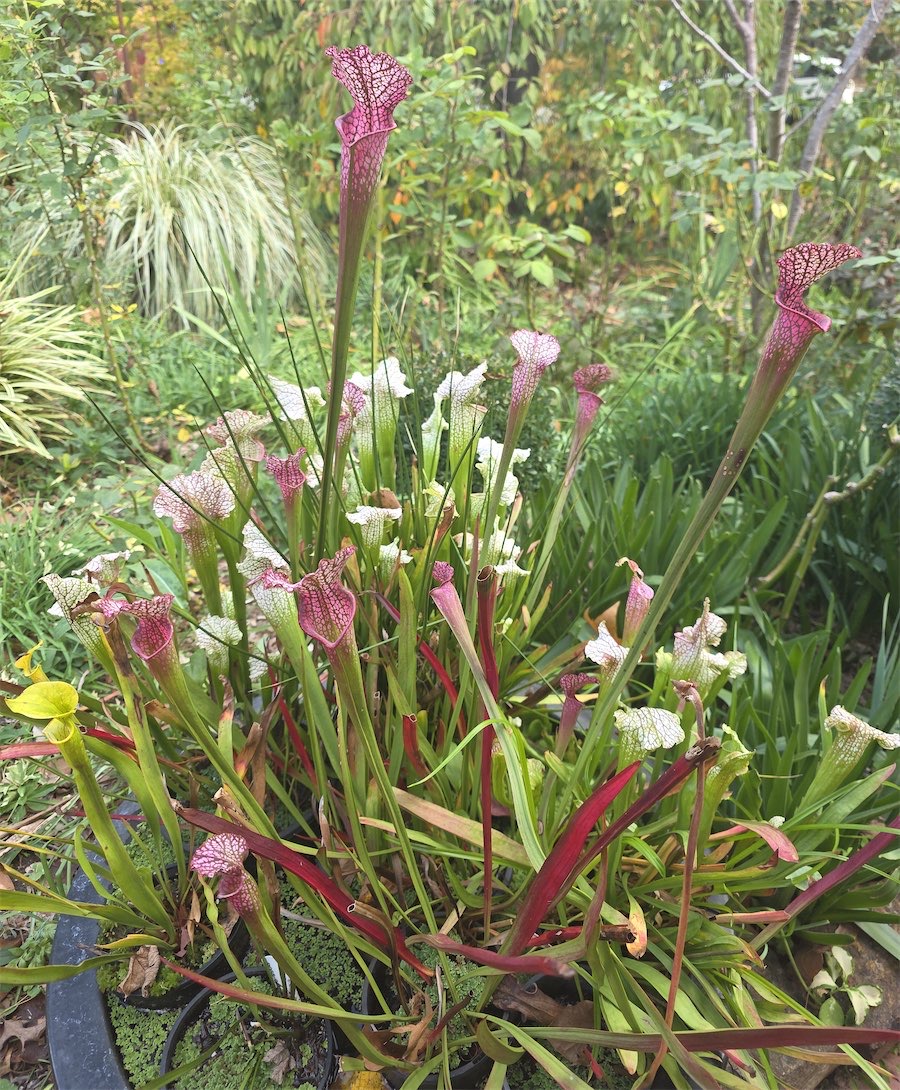
FOR damp areas that are slow to dry, consider pitcher plants. Sarracenias, also known as carnivorous trumpet pitchers, are easier to grow than you might expect.
They may be evergreen or herbaceous, with rhizomes that increase over time. Provide some shelter from frost and they will reward you with unusual flowers in spring.
They also grow well in shallow pots, either outdoors or on indoor windowsills. Use a mix of peat and sharp, washed sand. Avoid fertiliser, and water with rainwater. Keep them wet rather than just moist. They trap flies and insects, which provide all the nutrients they need. Their leaves, known as phyllodes, lure in their prey.
Native species can be seen while bushwalking at this time of year; sightings can be added to naturemapr.org.
ANOTHER indoor option is Pinguicula emarginata x weser, a hardy, easy plant with light green leaves and delicate pink to purple flowers. Its sticky foliage traps fungus gnats and whitefly, making it useful near African violets or other indoor plants.
FINALLY, clear fallen autumn leaves from hedges and lawns to prevent rot. Spread them thinly over garden beds or add them to compost.
Once broken down, compost can be used around plants or sifted for potting mix. Keep it moist to prevent it drying out and becoming hydrophobic.
Jottings
- Hard prune winter iris for winter flowering display.
- Remove all fallen fruit from the ground to keep fruit flies at bay.
- Fertilise camellias that are coming into flower.
- Plant broad beans every few weeks to extend yield.
News all day, every day at CityNewsQBN.com.au.




Leave a Reply