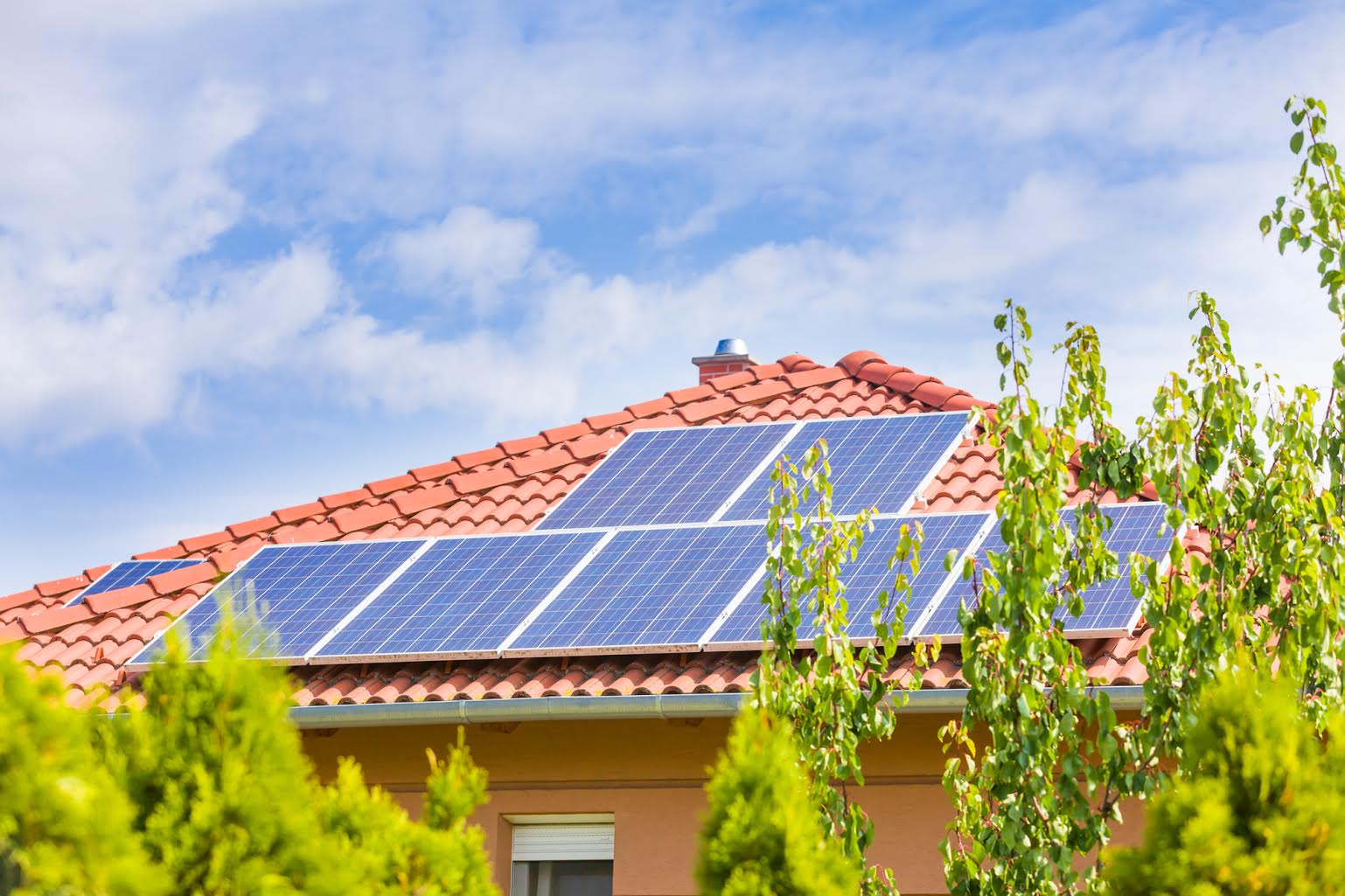
Letter writer ANNE O’HARA, of Wanniassa, says some solar panels and wind generators are already being recycled and repurposed, but many Australians seem unaware of it.
Vi Evans is right to be concerned about materials going unnecessarily to landfill (“What about waste from renewables?” CN March 3). But her concern about solar panels and wind turbines needs to be kept in context.
According to the latest National Waste and Recovery Report, during 2022–23 Australia generated an estimated 26.8 million tonnes (Mt) of building and demolition materials, 14.6 Mt of organics, 10.3 Mt of ash, 6.5 Mt of hazardous wastes, 6 Mt of metals, 4.9 Mt of paper and cardboard and 3 Mt of plastics. Vi should note that the ash is the toxic residue of coal-fired electricity generation.
In comparison, annual solar-panel waste in Australia is only around 60,000 tonnes (0.06 Mt) and projected to rise to around 100,000 tonnes (0.1 Mt) by 2030. Australia must get better at recycling in general.
It is good to know that the Department of Climate Change, Energy, the Environment and Water is currently working to redesign the National Television and Computer Recycling Scheme to include solar photovoltaic (PV) systems.
This scheme will require solar manufacturers, importers, and all stakeholders in the solar-panel supply chain to take responsibility for the end-of-life management of panels, helping to reduce landfill waste and promote recycling.
Meanwhile, some solar panels and wind generators are already being recycled and repurposed, but many Australians seem unaware of it.
Anne O’Hara, Wanniassa
Loyalty drives up power bills
John L Smith, (Letters, 4/3) appears to misunderstand the forces behind our high power prices.
Firstly, the wholesale power price is set by the most expensive component. That is currently gas power. In 2022 experts found that gas set the wholesale price 50-90 per cent of the time.
Add to expensive gas power, the unreliability of our old coal stations. Over 12 months NSW and Queensland had, on average, around one quarter of their coal-powered electricity generation unavailable. This unreliability isn’t cheap.
Fortunately, the impact of gas and coal on our power prices might soon weaken. Over the 2025 December quarter, average wholesale power prices were down 44 per cent down on the previous year’s – thanks to high levels of renewables.
The second thing that is driving up householders’ bills is loyalty to their retailers. The Australian Competition and Consumer Commission finds that households that have been on the same electricity plan for more than three years are paying on average $221 per year more than customers on new plans. Almost three quarters of households are paying more for power than they might if they switched plans.
Lesley Walker, via email
Nick answers his critics on numbers
There has been quite an interest and follow-up of my original letter. I am now replying to those in CN March 5.
My answers to the letters are:
John L Smith you are correct. TheVictorian Big Battery was $170 million and this figure was used in the arithmetical calculations to come up with the $1.4 trillion for the conditions shown.
Fiona Collin, I agree with everything you say about renewables and about SA leading the way. But it seems you still have not read my paper I referred to in my original letter.
Australia makes 5.3 million tonnes of steel a year. No matter how you make it, dirty as now, or green with renewables it takes about 2.5 MWh/tonne of steel – and it has to be 24/7 because stoppages are hugely expensive.
If you multiply 2.5MWh/t by 5.3 million tons you get 13.25 million MWh, meaning each hour 24/7 you have to provide this amount of power.
To do that with renewables you will need to cover all the free land in Victoria with solar panels, wind turbines and batteries. And to use your wording: “This is not modelling, this is real-time experience.”
Vi Evans, I agree with you. Advocates of renewables never mention their waste in making the renewables, nor waste at the end of their life, but you may be pleased to know that nowadays all of it can be recycled in India.
Nick Standish, Macquarie
Imagining the unhappy end game for Woke prestige
Although I scorn long-term economic/political predictions, I can’t resist imagining the unhappy end game for Woke prestige if either side establishes supremacy in this extraordinary period of Middle Eastern flux.
If the mullahs fall, Iran prospers, Hamas and Hezbollah dry up, and post-war reconstruction begins – Woke gallantry on behalf of the murderous Islamist dregs will be rendered passé and exposed for its folly.
If, on the other hand, the mullahs’ recent fatwa call (apparently, we’re all Salman Rushdie now) lights an existential firestorm in a death-thrown West, the Woke will bolt in fear of the zealots they abetted homing in on them.
Peter Robinson, Ainslie
Bowlers being pushed out of the Zone
Zone Bowling Tuggeranong will close on May 3. I’m a member of the 55+Club Bowling Group who bowl there on Wednesdays and have done for some years.
Lip service is paid to keeping older folk active and connected, but this action goes against that sentiment.
I am aged 85 and look forward to Wednesday bowling and catching up with the friends I’ve made there.
There are several other groups who use the bowling alley, including a group of disabled people and bowling presents a valuable outlet for them.
We’re told that the building has been purchased by private investors and the lease by Zone Bowling expires on May 3, after which the rent has been increased to an amount which would make it financially unviable for Zone Bowling to continue at Tuggeranong.
We surmise that the lease will then be changed to allow yet more apartments to be built.
Jean Smyth, Conder
Recognise progress as well as problems
Clive Williams’ Whimsy column (“Where do horses go when cameras stop rolling?”, CN February 26) raises familiar concerns about the fate of racehorses once their careers end.
Animal welfare is an important issue and deserves scrutiny. However, horse racing has become the subject for criticism from some left-leaning commentators and the Australian Greens.
A more balanced perspective might look at:
Industry reform: Racing bodies across Australia have strengthened traceability, rehoming programs and retirement pathways in recent years.
Economic contribution: The thoroughbred industry supports thousands of jobs in regional communities, from trainers and vets to stable hands and feed suppliers.
Post-racing careers: Many retired racehorses successfully transition into equestrian, therapy and recreational roles.
Regulation and oversight: Welfare standards are subject to state regulation and ongoing review.
And questions worth asking might include: Why is racing singled out when other animal-based industries face similar welfare challenges? Are improvements within the industry being acknowledged? Does constant public vilification help animal welfare – or risk undermining co-operation and reform?
Constructive reform requires collaboration, not caricature. If the aim is better outcomes for horses, then balanced reporting and engagement with industry initiatives would seem more productive than framing racing as inherently damaging.
Debate is healthy. But it should recognise progress as well as problems – and avoid turning complex industries into political trophies.
Errol Good, Macgregor
Visitor salutes ‘a very enjoyable read!’
I’m visiting Canberra from Gold Coast and picked up a copy of CityNews that I have to say, was a very enjoyable read!
I was impressed at the relevance and unbiased nature of the big articles. Seriously well presented with a tolerable quantity of advertising.
Thank you so much, from a person that gave up reading papers and magazines years ago.
Andrew Fish, via email
Where’s Ray on poles and wires?
Nuclear power has been used for more than 70 years around the world and at Lucas Heights, and the waste has been safely stored usually on site and more than a third of it is reprocessed.
The same can’t be said for wind and solar farms, which Ray has championed in letters to CN, which on reaching the end of their shelf life are decommissioned and fenced off, only to cause fires and other environmental problems.
Many dismantled wind turbines and solar panels have been found dumped in the bush. Where are Ray and the Greens, who are mute, while virgin forests and agricultural land is being destroyed by the construction of 30,000kms of poles and wires?
Paul Temby, via email
News all day, every day at CityNewsQBN.com.au.



Leave a Reply