By Abe Maddison
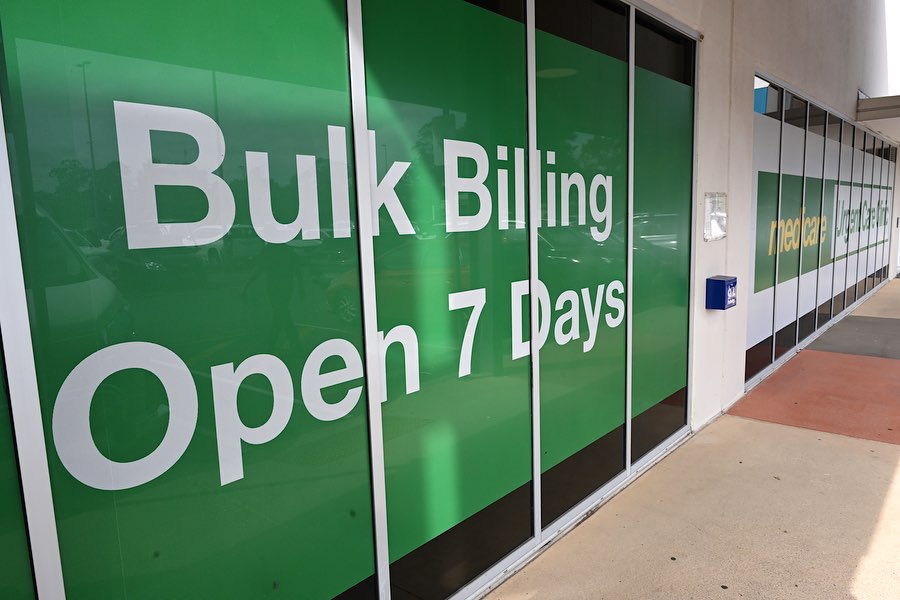
An extra 1700 GP practices across Australia are bulk-billing following the introduction of a federal incentive program.
More than 4000 GP practices in total are now offering bulk-billed appointments to all patients, compared to 2300 a year ago, the government has announced.
Many of these were previously classed as mixed-billing.
Fifty per cent of general practices exclusively bulk bill, compared to 30 per cent a year ago, cutting out-of-pocket patient costs.
Health Minister Mark Butler said for doctors and practice managers, bulk billing was an attractive option for the first time in years.
The number of fully bulk-billing practices has more than doubled in South Australia, Western Australia, Tasmania and the ACT.
More than 97 per cent of Australians now live within 20 minutes’ drive of a general practice that bulk-bills all patients, Mr Butler said.
Since November 2025, GPs have received financial incentives for every patient they bulk-bill, along with extra payments for being fully bulk-billing.
The biggest jump has been in rural areas, where the percentage of bulk-billing practices has lifted by 27 per cent to 59 per cent.
Remote areas continue to have the highest proportion of bulk billing clinics, at 77 per cent.
Ballarat man Brendan Johnson said he could not afford the additional cost of using a GP who didn’t bulk-bill.
“After mixed experiences previously, I have recently moved into an area with a bulk-billing doctor and it has made a huge difference,” he said.
“I now can see the same GP every time. Because of the good relationship we have built, I’m much more comfortable discussing issues I avoided with other GPs.”
Dr Nadeem Khaja, who practises at Glenbrook, in the NSW Blue Mountains, said the incentive program had been significant and positive for GPs and patients alike.
“I feel the program has helped improve the delivery of healthcare by reducing the administrative burden associated with collecting payments from patients,” he said.
It freed up GPs and administrative staff from managing patient payments, allowing them to focus more on providing quality healthcare, he said.
“From the patient’s perspective, the program has reduced the financial burden of accessing healthcare, particularly at a time when the cost of living continues to rise.”
At the 2025 election, Labor committed to increasing the number of bulk billing practices to 4800 by 2030.
News all day, every day at CityNewsQBN.com.au.




Leave a Reply