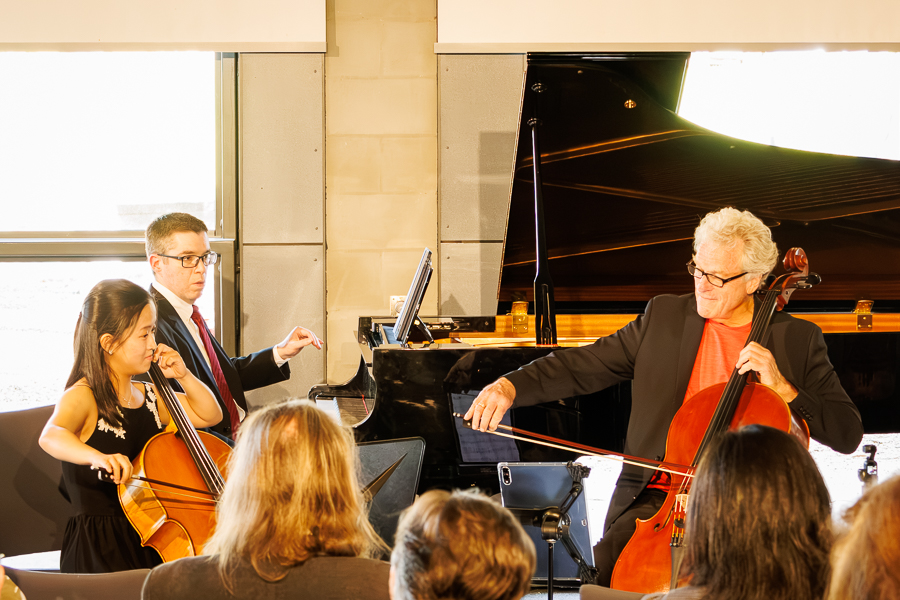
Music / Strings In Spring III, Fire & Folksong, Australian Centre for Christianity & Culture, Barton, presented by David Pereira, November 1. Reviewed by LEN POWER
A Hungarian inspired program of works for cello, piano and violin promised to be memorable, but with four top musicians to play them, the result was superb.
The program ranged from Franz Liszt, Johannes Brahms and David Popper from the 19th Century, to Béla Bartók and Ernst von Dohnányi from the 20th century. There was also a first performance of a new work by our 21st century cellist, David Pereira.
There were spoken introductions to each work, but the amplification of the microphone used, or the acoustic of the performance space, or a combination of both, made them a serious challenge to hear clearly.
Pereira was joined by Edward Neeman, piano, for the first work, Ruralia Hungarica for cello and piano Op.32d, by von Dohnányi. Immediately, we were plunged into the fiery, passionate music so distinctive of Hungary. This highly romantic work engaged the emotions and was given an excellent performance.
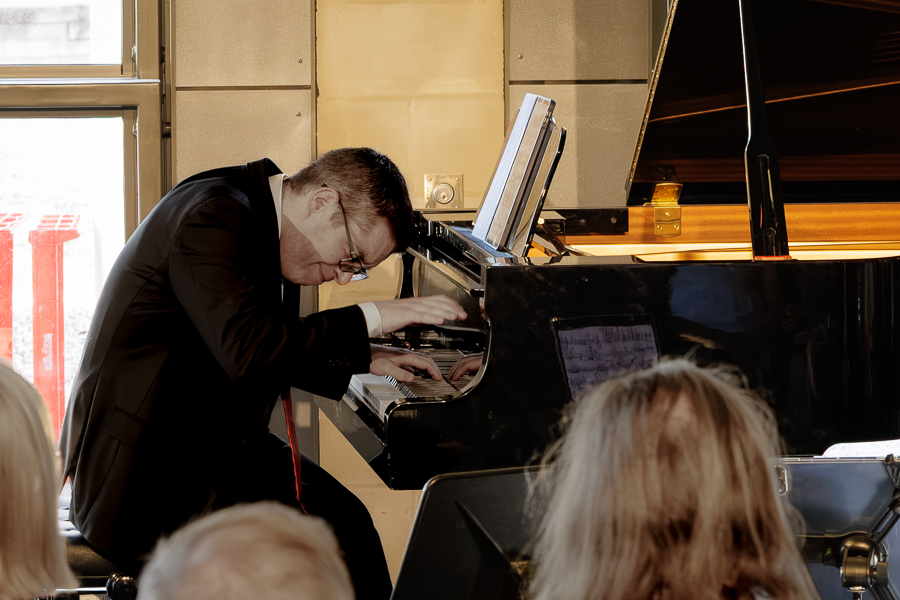
Edward Neeman then played the solo piano work, Funérailles, by Franz Liszt. It was written as a tribute to three of Liszt’s friends who suffered in the failed Hungarian uprising against Habsburg rule in 1848. Neeman performed this highly emotional, intense and demanding work brilliantly and fully deserved the sustained applause from the audience at the conclusion.
David Pereira was joined by Eloise Ng, cello, and Edward Neeman, piano, for the first performance of his new work, Variations on a Hungarian Folksong. This lush, melodic and appealing work was particularly notable for the fine cello playing of Ng and Pereira.
Eloise Ng, cello, then joined Edward Neeman, piano, for David Popper’s Hungarian Rhapsody for Cello & Piano Op. 68. This fiery, complex work, composed in 1893, and played so well by both performers, was a particularly fine showcase for Ng’s excellent cello playing.
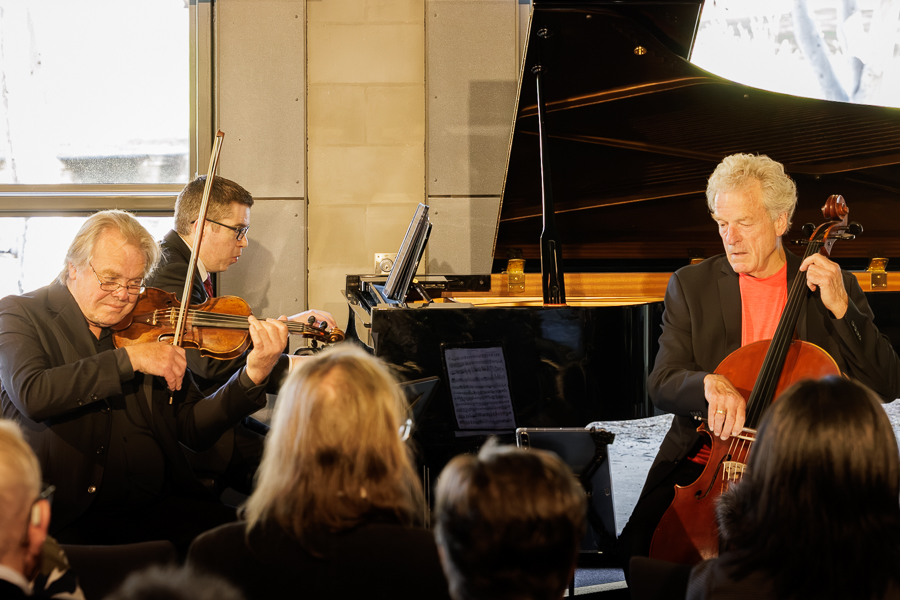
Pereira, Neeman and guest artist, violinist Tor Frømhyr, next played Brahms’ Andante con moto, Trio No. 2 in C major, Op. 87. Melodic and distinctly Hungarian, the three performers gave it a stirring and exciting performance.
Edward Neeman then performed a piano solo of Liszt’s Paganini Étude No. 1 in G minor S141.The light and shade in his playing added so much emotion to this beautiful work.
The final work of the concert was Béla Bartók’s 1st Rhapsody for Cello & Piano. It was played by Neeman and Pereira. Their incisive performance of Bartók’s complex and distinctive work was a rousing end to this excellent concert.
News all day, every day at CityNewsQBN.com.au.



Leave a Reply