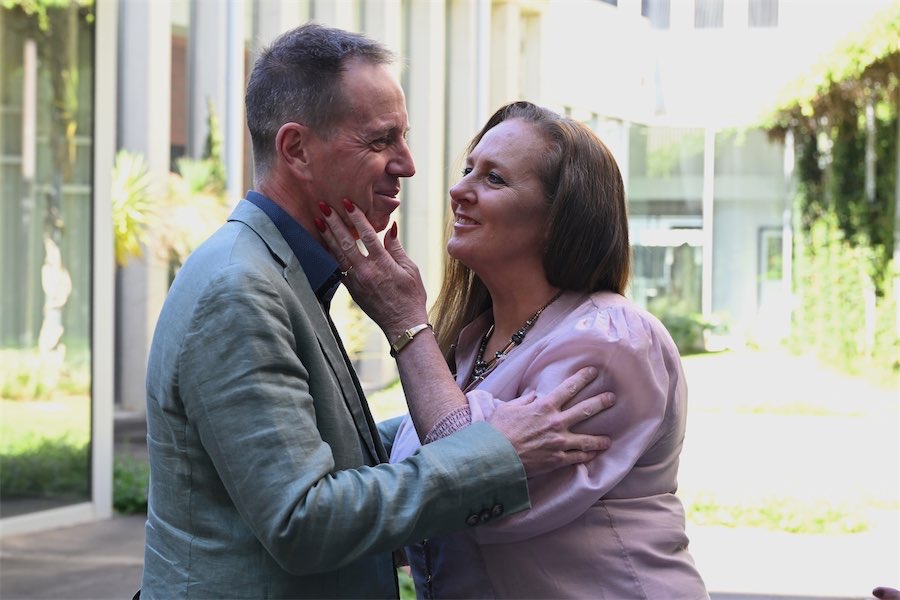
“When Shane Rattenbury announced his resignation, a fair few people contacted me, and asked, what’s the real reason why he’s leaving now? It’s a good gig after all, right?” ANDREW HUGHES wonders where to from here for the ACT Greens.
Shane Rattenbury’s departure from ACT politics raises some interesting questions for the Greens.

Firstly though, it must be noted that Shane made a significant contribution to ACT politics. Be that in serving as Greens leader for so long, roles in cabinet, championing climate change policies and, of course, cutting the deal which saw Light Rail Stage 1 get built and free Horse Park Drive from the car park it used to be in peak hours.
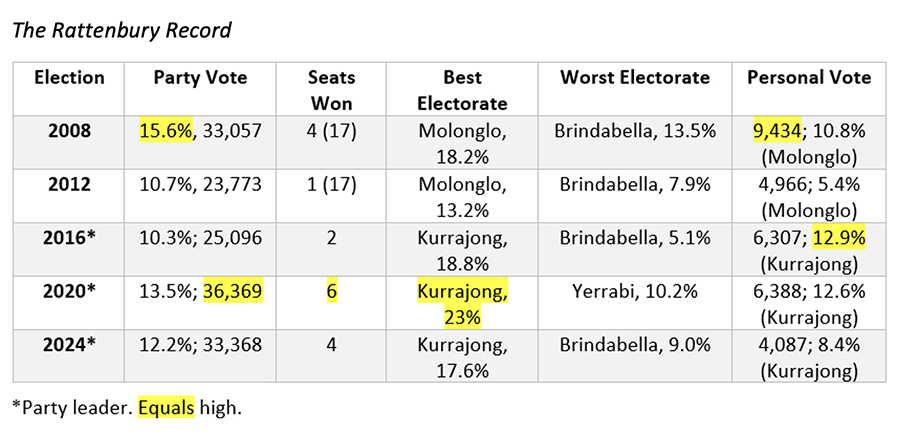
I’d also have as one of his greatest achievements being the building of a solid and sustainable base of around 10 per cent for the Greens locally. That strategy gets them seats, influence and achievements.
Perhaps one of the most enduring aspects to Shane Rattenbury’s legacy will be what it takes to endure over the long term in ACT politics: a community background as an activist, soft power balanced out by hard stances on certain issues and a connection with a base of true believers.
And Shane, thank you for engaging with me in the way you did, I hope we can do coffee one day soon.
Why did he really go?
When he announced his resignation, a fair few people contacted me, and asked, what’s the real reason why he’s leaving now? It’s a good gig after all, right?
Firstly, the facts. Seventeen years is a long time in politics. Nights, weekends, usually gone. Family occasions are missed. Adding to that is the impact on what you do, say and implement. Not everyone is in Scott Morrison’s “silent majority”. You will hear and see some ugly words.
As a party leader you can’t switch off either. Even when not looking at something, you are thinking about it. No wonder many politicians like to disappear into relative obscurity when it’s done. Many are burnt out and need to recover.
But politics being politics there is also speculation. What’s the word there you ask? The hard left, who hold factional power locally in the Greens, were none too pleased about the idea of replacing a left-leaning progressive government with a moderate Liberal one, despite the party having a similar strategy in Tasmania.
The fact that discussions had even taken place between the Greens and Liberal leaders poured hot kimchi chilli into the lentil soup, you might say.
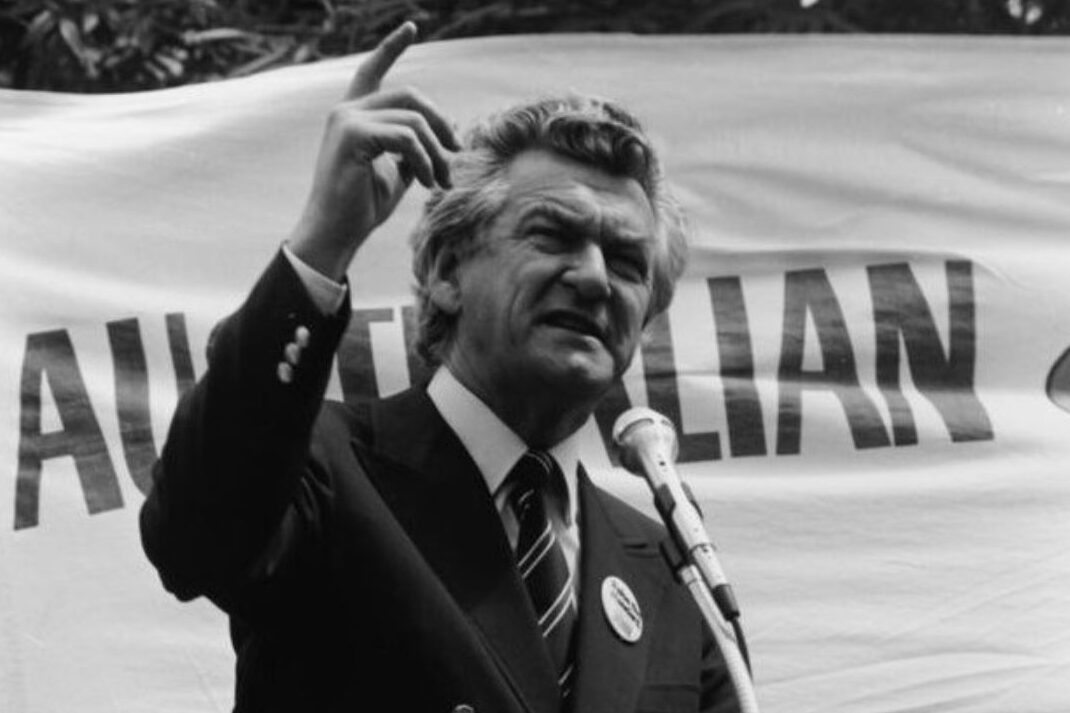
But it was shrewd politics from Rattenbury. Like his mentor, Bob Brown, he realised that soft power will usually trump (pardon the pun) hard power. It was the politics of high risk, high reward for those involved though.
And in a party controlled by increasingly younger, hard activists slowly pushing out the more moderate older environmental centred, it was only going to end in tears.
There is talk that some in the party also thought that soft equals weakness in the eyes of some opponents, and that not enough resistance or space was being put between themselves and Labor. The idea, too, of chasing government on a primary of 10 per cent was also seen by some as folly.
So, with some calling for his job internally, years more of being a minor party ahead and most achievements done, it’s understandable why he called it.
New leaders mean new directions and policies. Tears shed for the departed leaders one day are replaced by joyful pressers for the new leader the next.
So often for the Greens, be it a local or national level, the entire brand offering success is built around the leader’s brand. If that brand can’t resonate, especially with the base, then they go backwards.
Example? In 2025 a hard-core approach by Adam Bandt led to a split in the base vote and the loss of lower house seats. The Greens post-Rattenbury will need to be careful on how they manage this. Losing even 2-3 per cent of the base primary vote is going to come at a high price.
Push away the older climate-focused voters and they’ll likely drift to the independents and get them elected instead. Ignore the emerging younger new base of the party and they could go elsewhere, too. It’s a delicate balance between each group in the base and watching this play out will be fascinating.
What does it mean for us?
In a CityNews piece I wrote before the 2024 ACT election, I mentioned how this term would likely see all three leaders at that election gone.
Two out of three have, and from what I hear the third wants to, but for timing and opportunity. This term of ACT politics is becoming the most interesting in decades.
Policies and strategies are also changing, and it is very much game on for share in what is the most contested ACT electoral market this century.
The real winners? Us, as maybe we aren’t taken for granted by our party of choice.
Dr Andrew Hughes lectures at the ANU Research School of Management, where he specialises in political marketing.
News all day, every day at CityNewsQBN.com.au.



Leave a Reply