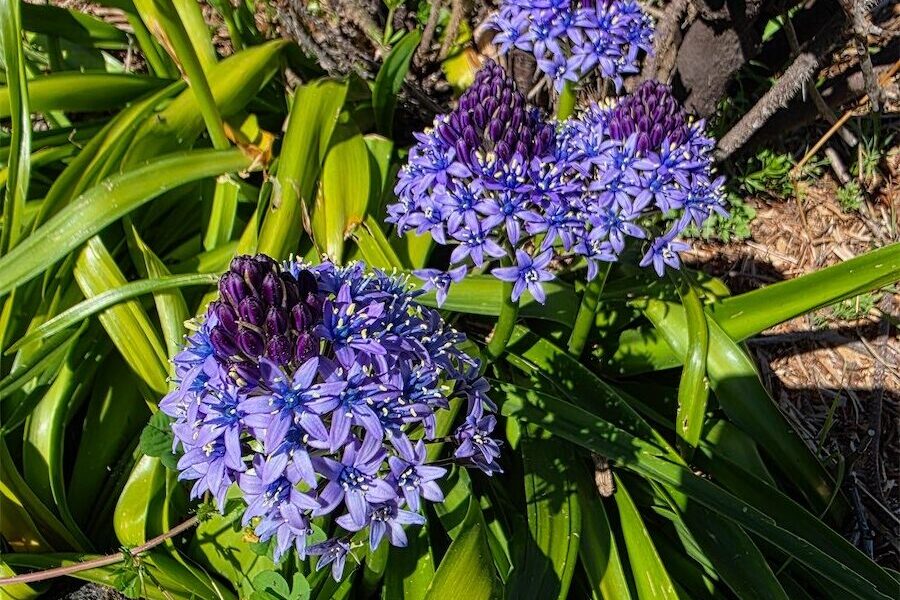
The purple shamrock… one of the most spectacular oxalis to grow. Photo: Jackie Warburton
Prepare vegetable beds now for summer crops, using crop rotation, rich compost and dolomite lime to give tomatoes, capsicums and eggplants a strong start, says gardening columnist JACKIE WARBURTON.
It is only a few weeks until our soils truly warm up, with frosts now at a minimum.
Jackie Warburton.
This is the last opportunity to tackle any lingering winter jobs, such as turning over soil in the vegetable patch, mulching, weeding and preparing for summer plantings of tomatoes, capsicums and eggplants.
These are all from the Solanaceae family and can develop difficult growing conditions if planted in the same spot every year. Crop rotation is the best organic way to ensure success in the vegetable patch, while helping prevent pests and diseases being left in the soil from the previous season.
Plant tomatoes this year where root vegetables have been grown, rather than where legumes such as peas and beans were planted. This will help prevent leafy green growth at the expense of flowers and fruit.
If tomatoes do not have the right conditions, they will quickly show deficiencies in their leaves and, later, in the fruit, with problems such as blossom end rot.
To help prevent this in summer, now is the time to add dolomite lime to the soil to increase the calcium and magnesium available to the plants, helping ensure the fruit is not spoiled at harvest time.
All Solanaceae plants are quick growers, so give them good, rich compost soil to get them off to a strong start. Plant out a few plants each week to extend the yield through the season and prevent a glut of produce all at once.
Plant small, flowering plants in and around the vegetable patch to encourage bees into the garden to pollinate fruit trees and vegetables.
Some of my favourite go-to flowers are zinnias, marigolds and calendula. These, along with many other flowers, can be sown now and will be ready for planting out in a few weeks when the soils have warmed.
Continue to deadhead them as they grow to encourage blooming throughout the summer season.
THERE are some plants that are extremely weedy and hard to eradicate in the garden, but not all plants from the same family are naughty. One of the best examples is oxalis.
While soursob, wood sorrel and some 30-odd species have huge weed potential, there are oxalis that are cute, with some even rare. One of the most spectacular to source and grow is the purple shamrock, botanically Oxalis triangularis.
This small plant can be grown indoors and is not known to be aggressive as an outdoor weed. Plant it in an indoor potting mix and keep it regularly wet, but not overwatered.
Phlomis… may be the answer to a hot spot in the garden. Photo: Jackie Warburton
IF there is an open, hot part of the garden that struggles with the summer heat, a Phlomis may be the answer. This plant is from the mint and sage family, whose plants have square stems.
Plants from this family are resilient and will survive with little or no care. Phlomis fruticosa is the old-fashioned, yellow-flowering Phlomis that is tough as old boots. There is now a wider colour range available, from white and lemon to many shades of pink.
Their common name is Turkish sage or Jerusalem sage, but they are not sages at all. They are small shrubs that grow to about a metre tall and wide, surviving well in poor soils. Once established, they can become drought tolerant.
Their grey foliage is striking in a large garden and they can be planted en masse for a spectacular display in the landscape. They flower for many months, while a light tidy of spent flowers will keep them compact and flowering for many years to come.
Jottings
Add lime to the soil before planting peas and beans.
Feed citrus as they begin to flower.
Collect coriander seeds for sowing in autumn.
Fertilise all plants showing spring growth.
The Canberra Orchid and Horticultural Society Show is at the Fitzroy Pavilion, Exhibition Park, September 19 (10am-4pm) and September 20 (10am-3pm).
With soil warming, it’s time to plant tomatoes, capsicums, cucumbers and other summer vegetables for a productive harvest, writes gardening columnist JACKIE WARBURTON.
"In 2026, NZ had an increase in overall sales of wine of eight per cent, a remarkable statistic given the global decline in wine sales generally," reports wine columnist RICHARD CALVER.
Hats off to the National Gallery for repositioning its café – Oculus Café x Kitchen by Mike – to the ground-floor foyer with views of the Sculpture Garden, writes dining reviewer WENDY JOHNSON.





Leave a Reply