
By arts editor Helen Musa
Dramatic landscapes, political machinations, technological innovation, family drama and comedy; audiences can expect it all in spades at the coming Latin American Film Festival.
“This festival is the main event we do together as Latin American embassies every year,” says Máximo Eduardo Gowland, Argentinian ambassador and convenor of the event, founded in Canberra and turning 15 this year.
Gowland, known as an aficionado of film and theatre, describes the program as “a wonderful opportunity to highlight the cultures of Latin America”.
Ranging from a romcom from Panama to a family movie from Costa Rica, there are 13 films screening in the festival until August 27, and they’re all free to see.
Gowland has seen all of the trailers and most of the films, and sees the central motif in the selection as a passion for landscape, as in a film from Guatemala that is effectively a road journey introducing viewers to a country they might otherwise never visit.
A model of co-operation, this year’s festival involves films from the 13 countries with embassies in Canberra.
“We’re not all on the same page,” he stresses, “but we come together jointly.”
What’s more, with different issues surfacing across the region at any given time, along with the extraordinary complexities of negotiating the rights to screen movies in Australia, past efforts to create an artificial theme have foundered. Instead, this is now a freewheeling festival that traverses many different themes and locations.
Nor does the event limit itself to new movies, but casts back in time to pick the best of the best.
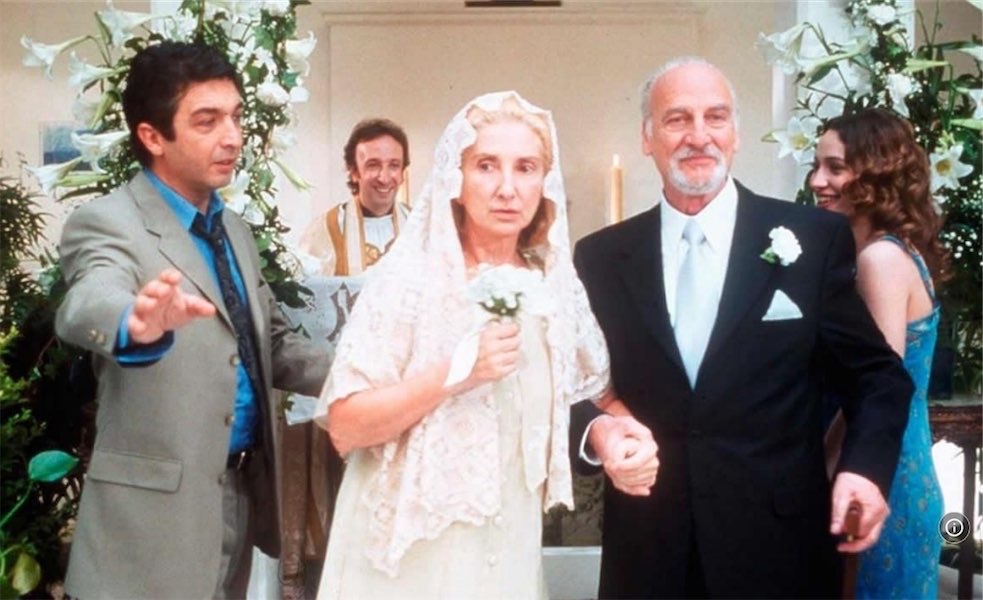
Argentina itself, for instance, is screening the 2001 comedy-drama Son of the Bride, a massive box office hit in its day that, along with France’s Amélie, was just pipped at the post for the Oscar for Best Foreign Language Film in 2002 by the Bosnian film No Man’s Land.
He and his team have been busy negotiating venues around the country, preferably at universities, which provide a natural word-of-mouth form of promotion that has seen attendances rise dramatically in recent years.
Foremost among its partners is the ANU Film Group, which has helped secure the capacious Kambri Cinema at the ANU and assisted with promotion.
Gowland emphasises that the festival is not focused primarily on the Latin American public, who usually come anyway, but on members of the Australian public who are keen to expand their horizons.
He’s much too seasoned a diplomat to single out favourites, but he does draw my attention to the variety on offer and to the different ways problems, from the most basic to the most elevated, are handled in different societies.
Habanastation from Cuba, for instance, takes us into the world of teenage gamers in a dangerous neighbourhood, while also drawing attention to the surprising phenomenon of class in Cuba.
Perhaps less surprising is the class divide shown in Peru’s entry, A World for Julius, based on the novel by Alfredo Bryce, in which a privileged boy in the 1950s comes to understand a world full of injustice.
Then there’s a dark thriller, Dogs, from Uruguay, centred on the sudden disappearance of a dog that sparks confrontation.
Unique cultural questions are canvassed in the Panamanian film Donaire y Esplendor, portraying a romance between two women set against the backdrop of Carnival, while Ecuador contributes The Legend of Tayos, following archaeological expeditions into the Ecuadorian Amazon.
There is no children’s sidebar, but in the Costa Rican film Maikol Yordan 2, the humble farmer Maikol Yordan, says it out loud, embarks on a wild journey through Holland, Greece and Egypt to find a medicine that will save his ill mother.

For sophisticated Canberra filmgoers there are films with a literary slant, such as the Mexican comedy-drama Corina, in which a woman working at a publishing house searches for a mysterious writer to save her job, or Guatemala’s entry, Martin and Margot, whose two protagonists go in search of an even more mysterious poet.
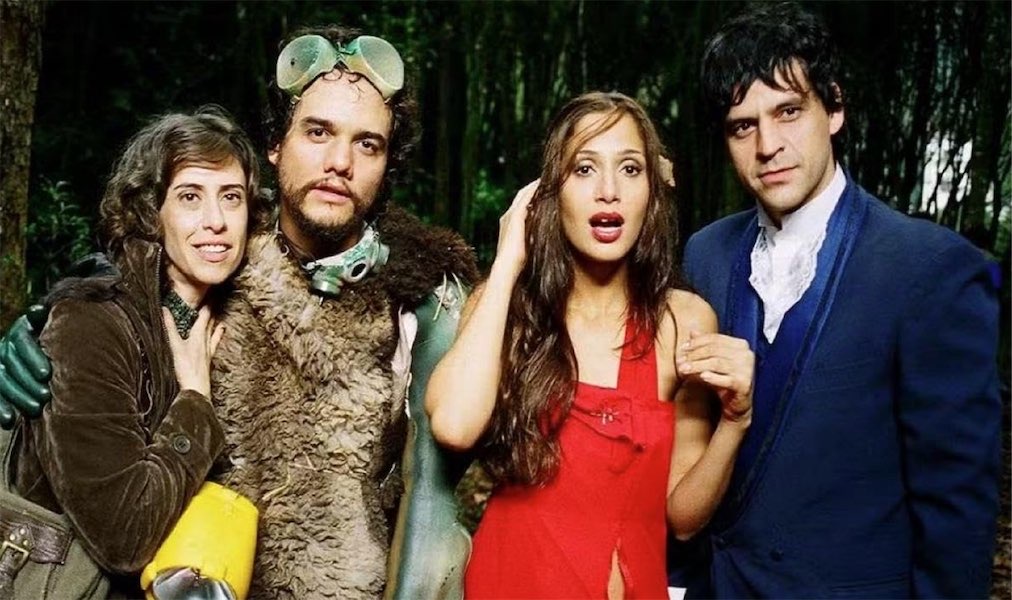
Brazil’s entry, the comedy Basic Sanitation: The Movie, sees a small community in the state of Rio Grande do Sul resort to making a video in an attempt to solve the sanitation problems that plague their village. And you can’t get more basic than that.
The Latin American Film Festival in Australia, Kambri Cinema, ANU, until August 27. Details at laffaustralia.com
News all day, every day at CityNewsQBN.com.au.





Leave a Reply