By Maeve Bannister
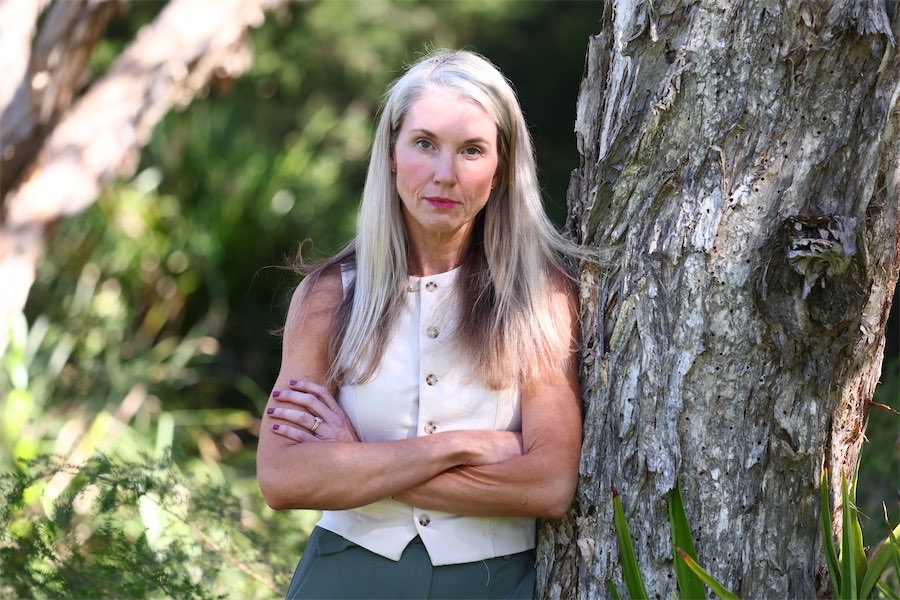
After a decade working in high-pressure corporate environments, Louise Siwicki knew something had to give.
The writing on the wall came in the form of a warning from her fertility specialist about the impact of stress while trying to become pregnant.
Her career demanded long hours that strayed deep into her personal time; to the point that midnight emails stopped being exceptional.
Then there was the “show up or shut up” culture that filtered from the top down.
She was trying to navigate workplace toxicity amid multiple rounds of IVF and repeated pregnancy loss, yet felt she couldn’t disclose it to her managers because it would impact her career.
“There was no real compassion or understanding and an attitude that you just had to get on with it,” Ms Siwicki told AAP.
“I ended up really at rock bottom, diagnosed with fatigue and depression and I realised I couldn’t go on like that.”
Nearly two million Australians lose sleep over work stress, with women consistently reporting higher rates of burnout than men.
Ms Siwicki eventually took leave and upon returning, put boundaries in place like not taking her laptop home and working a set eight hours.
“There was pushback but I just had to do it,” she said.
“When I went on maternity leave I was let go and that ended up actually being a very good thing for me.”
A report by The Digital Picnic examining the cost of high performance in Australian workplaces found existing business systems are outdated and were never designed to sustain the people running them.
The research reveals that one in two people will experience a mental health condition in their life time.
Those exposed to psychosocial workplace hazards are also at greater risk of developing a work-related psychological injury and experiencing poorer mental health.
Employees seen as most capable are often the ones absorbing the most ambiguity, pressure and additional load behind the scenes, according to lead author and founder Cherie Clonan.
“I’m worried for workplaces that are missing the depletion behind the scenes (because) it shouldn’t take a high-performing woman all weekend to recover before going into work and doing it all again,” she said.
As founder of a social media marketing agency, Ms Clonan has put in place a number of what she calls “micro-accommodations” to ensure she gets the best out of her team while minimising potential for burnout.
“Our workplace is benefiting from getting around what is on paper a ‘radical’ approach to flexibility, like letting people start and end their days later when it works for them and their family,” she said.
“It costs $36,000 for every new hire at a company, whereas I have saved so much by retaining brilliant team members.”
Ms Siwicki, who now works in the mental wellbeing sector, says businesses are missing out by maintaining the old school mentality that work comes before everything else in life.
“Workplace conditions were really built around men and now that women are in the workforce we are expected to comply while also dropping kids at daycare or school, picking them up and taking care of the household,” she said.
“The people at the top are often part of the generation that have that mentality and don’t understand how to make it easier for the modern way of life.
“But attitudes filter from the top and if you want a balanced workplace you have to be a balanced leader.”
Lifeline 13 11 14
beyondblue 1300 22 4636
News all day, every day at CityNewsQBN.com.au.



Leave a Reply