Mad as hell and I’m not going to take this any more!
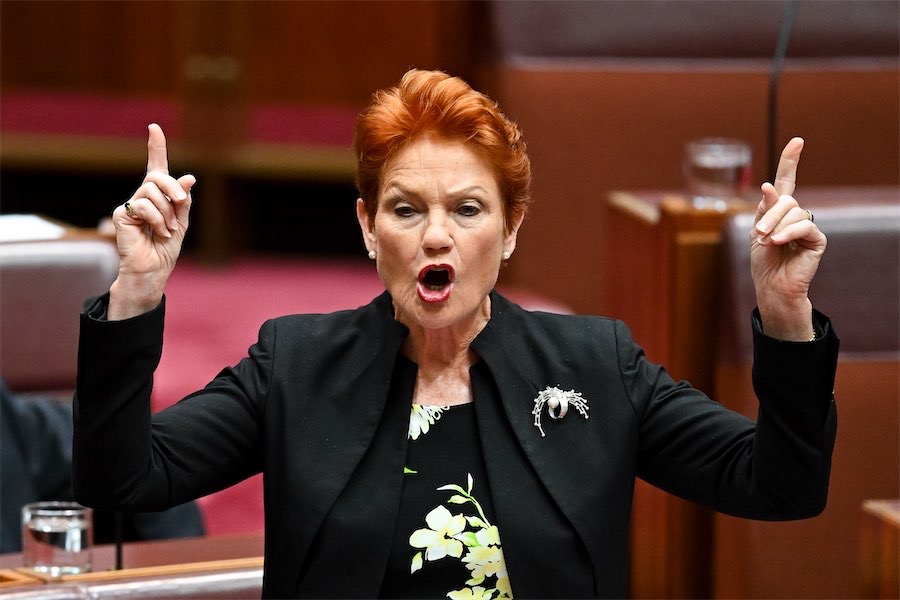
One Nation’s Pauline Hanson… “This decade is fast becoming known for something else: ‘angertainment’ or hard anger.” writes Andrew Hughes. Photo: Lukas Coch/AAP
“Anger can get that cut-through and then some. Even if irritating, it stays in our minds longer than a positive message.” Columnist ANDREW HUGHES looks at the political power of anger.
Anger has always been a useful tool for messaging of brand and narrative in politics.
Dr Andrew Hughes.
Why? Mainly for its simplicity and cut-through factor, and how it can also be integrated into different strategic narratives such as party, leader and policy. If done right.
Cut-through is a critical factor in the modern messaging era where we have competing “noise” from several sources every single day: family, life admin, jobs, hobbies, and whatever else you do with the three minutes remaining.
Anger can get that cut-through and then some. Even if irritating, it stays in our minds longer than a positive message.
Historically, anger has been used primarily more with what I call soft-anger strategies – think frustration. Why? Because any centrist party wants to be seen as moderate. The soft-anger emotional fit usually aligns perfectly with party, leader and policy.
However, this decade is fast becoming known for something else: angertainment or hard anger.
Hard anger is nearly always used by those parties on the fringes of the political spectrum. Hard left, hard right, even medium versions of those, all open up the hard-anger toolbox to gain awareness, momentum, and followers.
Hard anger can also allow for an effective alignment with the party, leader and policy. It can be used as part of splinter strategies in narrative and brand as well. So why doesn’t everyone use it then?
Hard anger is political dynamite: used correctly it achieves the nigh impossible quickly. Like going from 6 per cent to 23 per cent of a primary vote in one year. Used clumsily and it’s mushroom clouds for those in close proximity.
Right now we are seeing contrasts on the strategic use of anger as part of establishing narrative and brand positions for the remainder of this year, and for the long, slow build to the next election.
So, let’s take a look at some examples of different anger strategies being used right now.
The Hard
One Nation and the Greens use hard anger well. One Nation’s hard-anger strategy is fairly straightforward.
Pauline Hanson has no fear at all of offending whoever. Because to her, and her rapidly increasing conservative followers, she is doing this for the (one) nation.
She isn’t frustrated, she’s angry. Very angry. This is consistent with the policies offered. Aimed at pleasing the base and offending the opposites. Opposites attract but they also help open wallets and attract volunteers.
Greens? Similar strategy, same objectives.
So they get angry back at the hard conservatives and their backers. Younger Greens, inspired by Extinction Rebellion, Sea Shepherd, PETA and others who figured enough was enough and fire needed to be fought with fire, love this. Activism represents money, awareness, and content has flowed fairly constantly since. But…
The Balance
The but is the need for the Greens to not lose the half of their base who are older voters, the ones who believe in soft-power. They must balance hard with soft. Renters Party with Climate Party with Refugee Action Party. This allows the Greens a chance to widen their narrative appeal in the inner-urban areas of big cities. And it’s worked. So far.
But… if that balance drifts, then narratives get confusing, messaging contradictory, and they could lose a part of the base. Hello 2025 election result. More than ever going forward, the Greens will need this balance to be spot on because they will be fighting for sixth Senate spots with everyone else.
Balance also = centrist politics. And off centre is where the Liberals balance is right now. Are they going for hard anger on immigration to compete against One Nation? Or are they going for soft anger with frustration over Labor’s Budget policies? It can be both but it doesn’t seem to be. Party, leader and policy are all over the place.
So using anger looks like desperation, not representation of a broad church whose members have given up on listening to the sermons by its leader.
Connection and identification are fading quicker than my hopes of playing at Lord’s, and that means even hard-anger messaging isn’t going to be effective.
Labor? Labor has the balance near right. For now. But they also have those who want to go harder. The factional overlords understand that doing that while trying to be perceived as the “natural” government is the political equivalent to walking a high rope with no safety harness. One wrong move and you are going to be seen as either falling to the right, or too far to the left.
But all of this is still about the game. And the game itself is making more and more of us voters angrier that it’s even being played in the first place when so much balance is lacking in society.
Dr Andrew Hughes lectures at the ANU Research School of Management, where he specialises in political marketing.
"Going for three or more election wins is difficult. Very, very few can maintain that level of resonance across an entire nation of voters in a compulsory voting system for anyone aged over 18," writes political columnist ANDREW HUGHES.
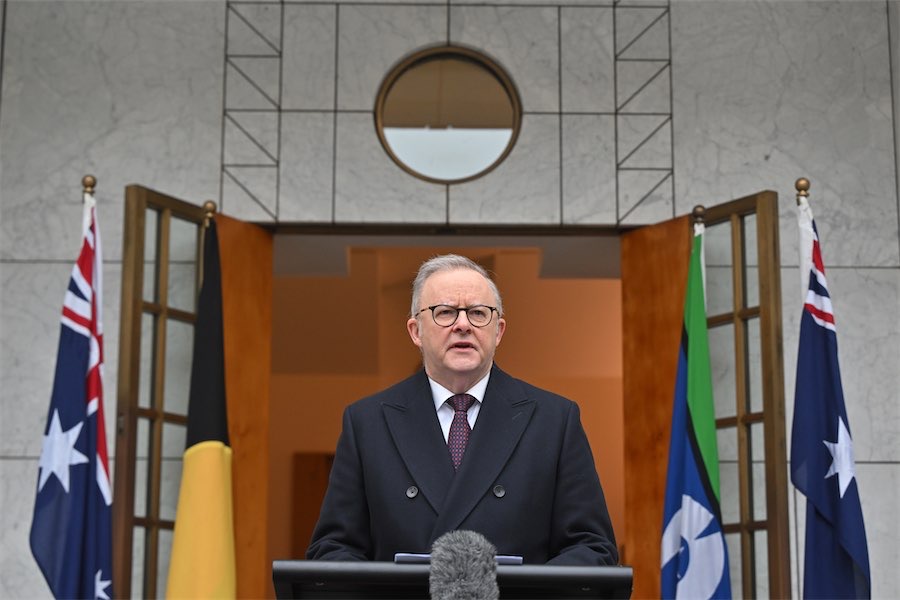
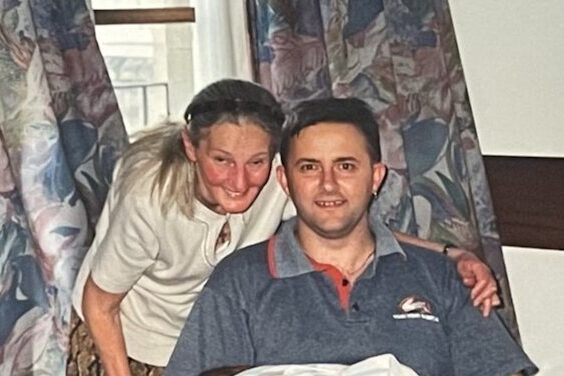
Anthony Albanese has hit back angrily and emotionally at Pauline Hanson for saying his late mother should not have lived in public housing for decades, writes MICHELLE GRATTAN.
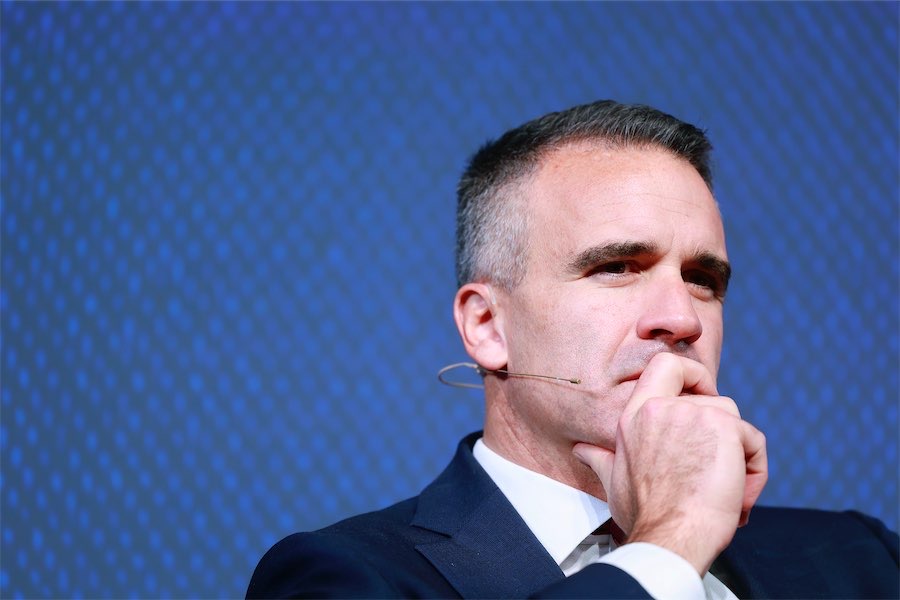
Political columnist MICHELLE GRATTAN says Peter Malinauskas has challenged the prevailing political mood on migration, warning a race to slash numbers would amount to economic self-harm.



Leave a Reply