“Being able to rely on independents, rather than always on the Greens, makes a much more interesting minority government. Labor does not need to be dragged further to the left relying almost exclusively on support from the Greens,” writes MICHAEL MOORE.
On departing the Canberra Liberals, where she had earlier lost her position as Leader of the Opposition, Leanne Castley made claims including “bullying, intimidation, lies and a threat of physical assault”.
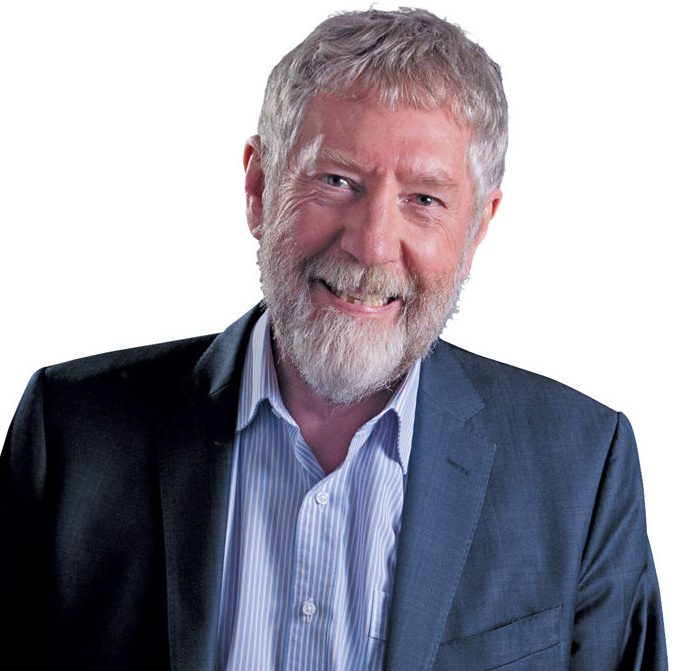
Michael Moore.
Whatever the motivation, her move to the cross bench has changed the workings of the ACT Legislative Assembly.
Whatever the context, it was enough for her to describe “being part of an organisation with such a toxic culture”. Liberal MLA Chaika Barry believed she may have been at the centre of the allegations and explained her stance at a press conference.
Apparently, following a tense interchange in the Assembly, Ms Barry told her colleague: “If you come at me the way you did, I would have no choice but to come back at you”.
She argues that her intention was, “if she was to keep verbally embarrassing me, I would verbally embarrass her as well”.
In attempting to clear the air, Opposition Leader Mark Parton, stated he does not “condone bullying, intimidation or inappropriate behaviour of any kind”.
One of Ms Castley’s first chances to indicate that she really had separated herself was in opposing the censure motion on Education, Sport and Housing Minister Yvette Berry. Her opposition was largely symbolic, as the motion had been posed jointly by the Liberals and the Greens.
Although it does appear that the Liberals will be in a more difficult position gaining support for some of their legislation or motions, they still need the support of the Greens and at least one of the independents (or the government) if they are to be successful.
The Canberra Liberals now have eight members, Labor has 10, the Greens four, and independents three. It takes 13 MLAs to pass any motion or legislation. Unlike some other parliaments, the Speaker has a deliberative vote. That is, rather than a casting vote, the Liberal Speaker does vote on each motion. If someone is away and a vote is even – it fails.
With the Castley change, a combination of Labor and the three independents is now enough to carry a motion. The outcome in any contested vote in the Legislative Assembly can now be achieved by the government with the support of either the Greens or the independents.
Being able to rely on independents, rather than always on the Greens, makes a much more interesting minority government. Labor does not need to be dragged further to the left relying almost exclusively on support from the Greens.
The return of Rebecca Vassarotti to the Legislative Assembly within the Greens Party will also have an impact. Ms Vassarotti has never served as a crossbench MLA, having been elected last time and thrust directly into being a minister. Now she will have the experience of being on the cross bench and working within the committees.
The make-up of the Legislative Assembly and the way the committees are configured means the groundwork is set to make government much more accountable to the Assembly.
The committees have been a strength of the ACT Legislative Assembly from the time of self-government. With the new form of minority government, this is even more pronounced. Traditionally, the majority of chairs of committees came from government, as was the case with the Labor/Greens government.
Of all the current Standing and Select Committees, Labor has only one chair and they do not hold a majority in any of the committees. The Liberals chair four Standing Committees and two Select Committees. The Greens chair one Standing and one Select while independent Tom Emerson chairs another Standing Committee.
The structure of the Assembly is one thing. However, in the end, it is up to the MLAs to use this to ensure accountability.
Michael Moore is a former member of the ACT Legislative Assembly and an independent minister for health. He has been a political columnist with “CityNews” since 2006.
"To be credible, the ACT Government has to stop its obfuscation and commission an independent assessment to evaluate if bus rapid transport could deliver the benefits of light rail at lower cost," writes planning columnist MIKE QUIRK.
The attack on Helen Haines has forced politicians to confront the ugliness of political discourse, but lasting change will require a broader reckoning with society’s growing incivility, writes political columnist MICHELLE GRATTAN.



Leave a Reply