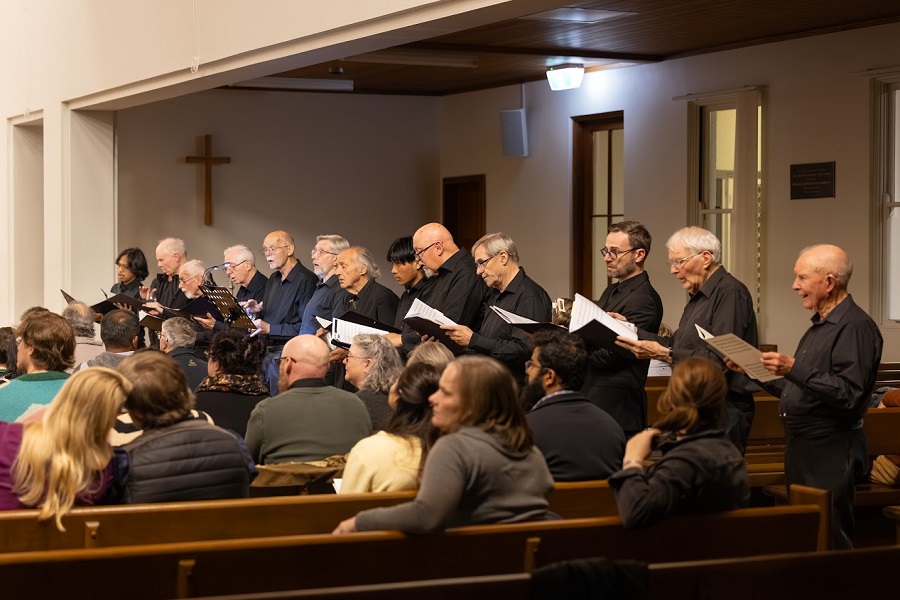
Music / Passion and Resurrection, The Llewellyn Choir. At Anzac Chapel, Duntroon, May 2. Reviewed by GRAHAM McDONALD.
This was an adventurous program from The Llewellyn Choir of two modern Easter masses mixed in with a couple of shorter choral works and two instrumental breaks from a string ensemble.
The two major works were a Mass for Easter Sunday by Australian composer Lachlan Skipworth and Passion and Resurrection by Latvian composer Eriks Esenvalds.
The two additional pieces were also by Esenvalds and are scored for choir and tuned water glasses, which added an interesting high-pitched drone chord under the music.
The choir was arranged for the opening section with the sopranos and altos on one side of the hall and the tenors and basses on the other. It might have sounded more equal if seated along the centre aisle.
Skipworth’s Mass is scored for choir, brass, organ and timpani. There was some interesting and melodic vocal scoring, which tended to get lost under the brass and timpani.
The program notes mention the intent for the choir to engage with ANU music students and this is certainly to be celebrated, but maybe a little too enthusiastically in this case. Eight ANU brass students with timpani added made rather more noise than the 40 singers, and the organ often disappeared. Perhaps the balance could have been controlled with another couple of keyboards with sampled brass.
The two instrumental intermezzos from the seven-piece string ensemble were delightfully done. Shostakovich’s Waltz No 2 and Elgar’s Elegy for String Orchestra both offered a few minutes of quiet enjoyment between the choral music.
Notable was some confident viola playing from George Pourpouras in both works and a general sense of tight ensemble work from all seven.
The final work for the concert was Esenvalds’ Passion and Resurrection scored for solo soprano, a vocal quartet, choir, organ and the string ensemble. In four sections it tells the story of the crucifixion and resurrection of Christ with the text split amongst the soloist, the quartet and the choir, with the strings added.
Contemporary sacred music from the Baltic states can often be challenging for both the performers and audiences. The third section held the most interest in its mix of the vocal parts.
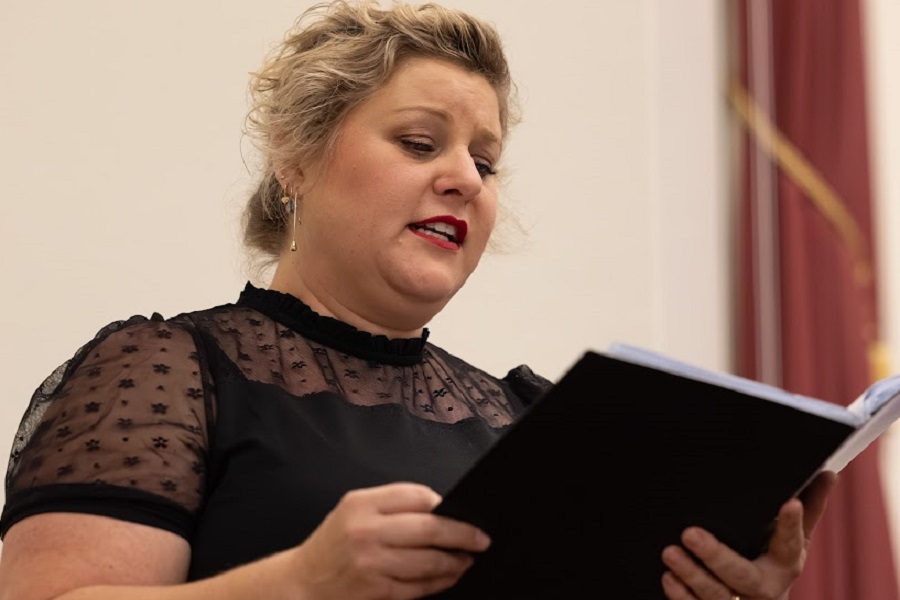
Soprano Sonia Anfiloff, a regular soloist with the choir, sang with her usual power, but the vocal quartet in the balcony did not quite blend and the choir struggled at times in what this reviewer found a less-than-attractive work.
News all day, every day at CityNewsQBN.com.au.


Leave a Reply