By Zac de Silva and Andrew Brown in Canberra
Higher levels of inflation will stick around for several months, the treasurer has warned, as new figures put pressure on the Reserve Bank to lift interest rates further.
Underlying inflation ticked up for January, coming in at 3.4 per cent, up from 3.3 per cent the previous month.
The Reserve Bank’s preferred measure of consumer prices, trimmed mean inflation, increased 0.3 per cent over January, according to Australian Bureau of Statistics figures released on Wednesday.
Headline inflation, which includes a broader spread of goods and services, held steady at 3.8 per cent in the year to January, the same as the December reading.
Treasurer Jim Chalmers said the stubborn levels of inflation would likely stick around for some time.
“These are the sorts of numbers that we expect to see throughout the first half of the year while the government’s energy rebates come off,” he told reporters in Brisbane.
“We knew before these numbers that inflation would come in higher than we would like. There is an expectation that they will come in higher than we’d like for longer than we’d like.”
The end of federal and state energy rebates have exacerbated inflation increases, with energy costs rising 32.2 per cent in the year to January, compared to 21.5 per cent in the 12 months to December.
Excluding the impact of the rebates, energy prices would have risen by 4.5 per cent in the year to January.
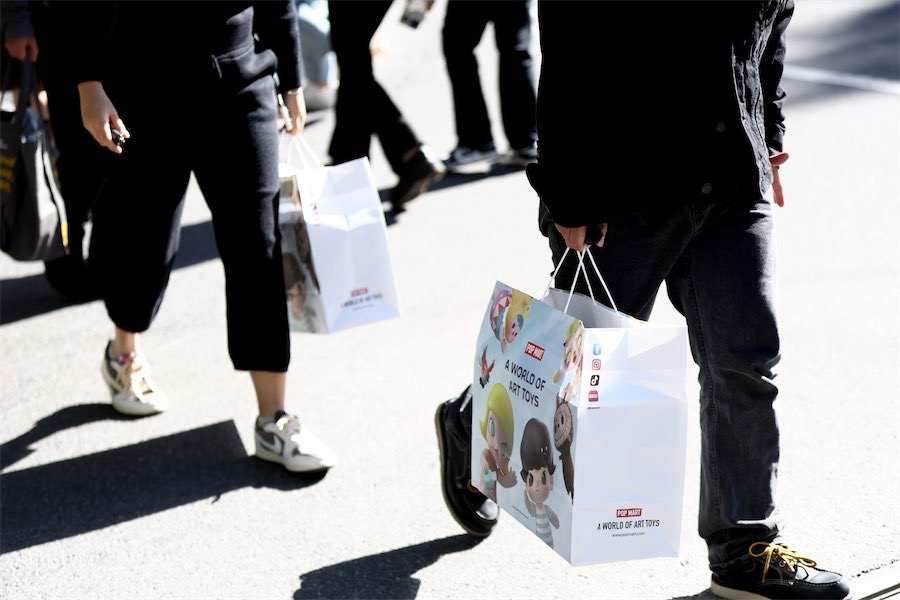
Housing was the largest contributor to inflation at 6.8 per cent, followed by recreation and culture at 3.7 per cent, and food and non-alcoholic beverages at 3.1 per cent.
Dr Chalmers said the decision to end the energy rebates was a difficult one.
“We know the impact it is having on families and on this data,” he said.
“We can expect these sorts of numbers to continue, particularly in the first half of this year.
“These new numbers are another important reminder that the coming budget will have the right focus on inflation and productivity against a backdrop of global uncertainty.”
The inflation figures reinforced the need for a rise in interest rates from the Reserve Bank, EY chief economist Cherelle Murphy said.
“The Reserve Bank has its work cut out to get inflation back within the target band and has acknowledged the risks posed from ongoing tightness in the labour market and the recovery in household spending,” she said.
“The central bank will need to raise the cash rate further, most likely in the first half of this year, with further rate hikes possible given persistent inflation pressures.”
The bank’s board isn’t due to meet until March, but Bendigo Bank chief economist David Robertson said a second straight rate hike wasn’t likely.
“A range of factors suggest this new tightening cycle will likely be persistent and drawn-out, including the resilience of global trade in the face of tariffs and tight domestic labour and housing markets,” he said.
“Although we currently only forecast one more hike this calendar year.”
The stubborn increases in consumer prices have caused the Reserve Bank’s board to consider further interest rate rises.
The bank lifted the cash rate to 3.85 per cent in February, with further increases expected later in 2026.
The rise of inflation has also led to a decline in real wages for the first time in more than two years.
News all day, every day at CityNewsQBN.com.au.



Leave a Reply