
Plain English Foundation offers AI writing training, editing and policy support for Canberra workplaces. Explore clearer, more consistent workplace writing. This is a sponsored post.
Across Canberra offices, AI-generated drafting has become routine.
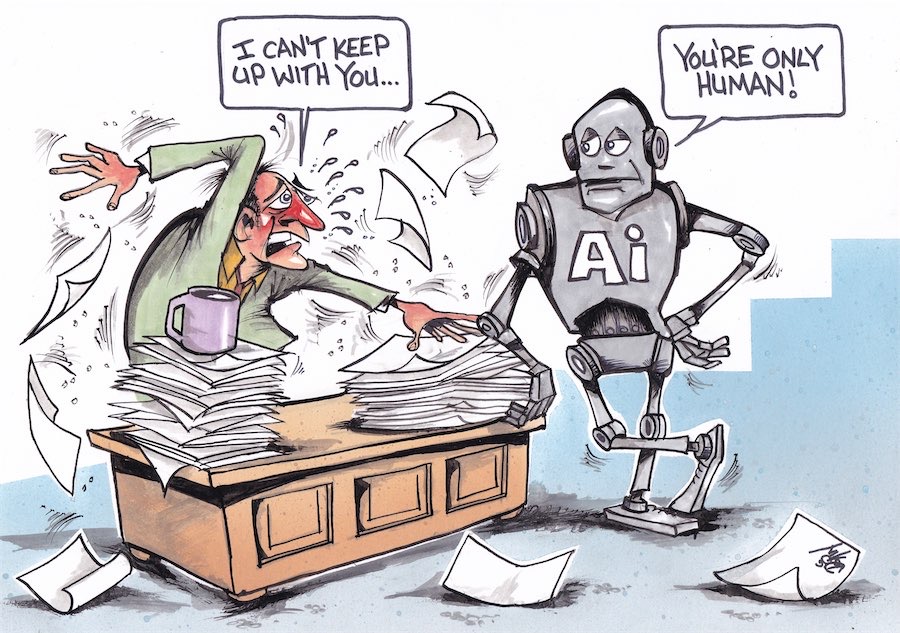
Briefs, reports, correspondence and web content increasingly start life as an AI-generated first draft. The pattern showing up in inboxes and shared drives is a familiar one: AI content that’s too long, that repeats itself, and that sounds like it’s trying too hard to sound human. Sometimes it gets facts wrong.
None of this is obvious until someone reads the draft closely and increasingly; nobody has the time to.
Plain English Foundation has spent more than 20 years helping government and corporate clients turn dense, complicated writing into documents people can actually use. That works on policies, reports, internal documents and public-facing communications hasn’t changed. What’s changed is the source material.
Where Plain English Foundation once edited human first drafts, it’s now increasingly editing AI-generated ones, and the discipline required is different: catching fabricated details, trimming AI’s tendency toward repetition and padding, and making sure the final document sounds like the organisation, not a chatbot.

Plain English Foundation has extended its plain language services to meet this directly, offering in-depth editing of AI-generated outputs so they meet the international plain language standard, work for diverse audiences, and hold a consistent tone and structure.
This is the same bar Plain English Foundation has always held human-authored writing to.
The second, less obvious problem many organisations now face is their AI policy itself. Plenty of Canberra agencies and businesses wrote an AI use policy in the past year or two, when the technology and the national conversation around it looked different. Frameworks have moved on since.
Plain English Foundation now also reviews and updates existing AI policies against current national and global guidance, so organisations aren’t relying on a document that was accurate eighteen months ago but has quietly gone stale.

There’s a third piece to this, further upstream. Editing after the fact helps, but it doesn’t teach anyone to get a better first draft out of AI in the first place.
Plain English Foundation’s new AI Prompting for Workplace Writing course addresses exactly that — a practical, hands-on workshop that teaches staff how to prompt AI tools well enough that the drafts they get back need far less rescuing.
It’s less about learning AI theory and more about learning the specific instructions that produce clear, on-brand, fact-checked writing on the first attempt, for the kind of briefs, reports and correspondence Canberra workplaces produce daily.
Together, the three services cover the full lifecycle of AI-assisted writing: training staff to prompt well, editing what comes out the other end, and making sure the policy governing all of it hasn’t gone stale. For a city with as much policy-writing and public communication as Canberra, that’s a loop many organisations don’t realise is open until it causes a problem.
Plain English Foundation’s broader training catalogue remains available too, including its long-running Plain Language Essentials course and specialist offerings like Plain Language for Lawyers, for organisations that want to build the underlying writing skill, not just check it after the fact.
Get in touch: Contact Plain English Foundation
Related AI services: AI at work
Related training: Plain Language for Lawyers | AI Prompting for Workplace Writing (contact us for current session dates)
News all day, every day at CityNewsQBN.com.au.




Leave a Reply