Music / The Prophet, by Judith Clingan, Wayfarers Australia. At Overture Hall, Weston, June 21. Reviewed by HELEN MUSA
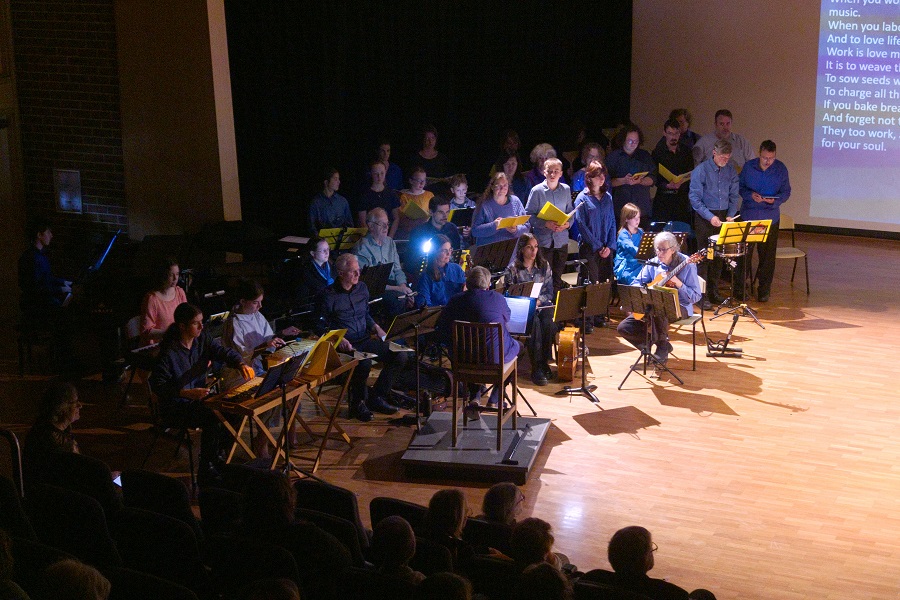
Judith Clingan’s song cycle, The Prophet, was the second half of Musica Vitae, a concert of mediaeval, renaissance, baroque, classical, romantic and 20th century choral music by Wayfarers Australia, which also included works by Australian composers Liam Waterford, Ruth McCall and Stephen Leek.
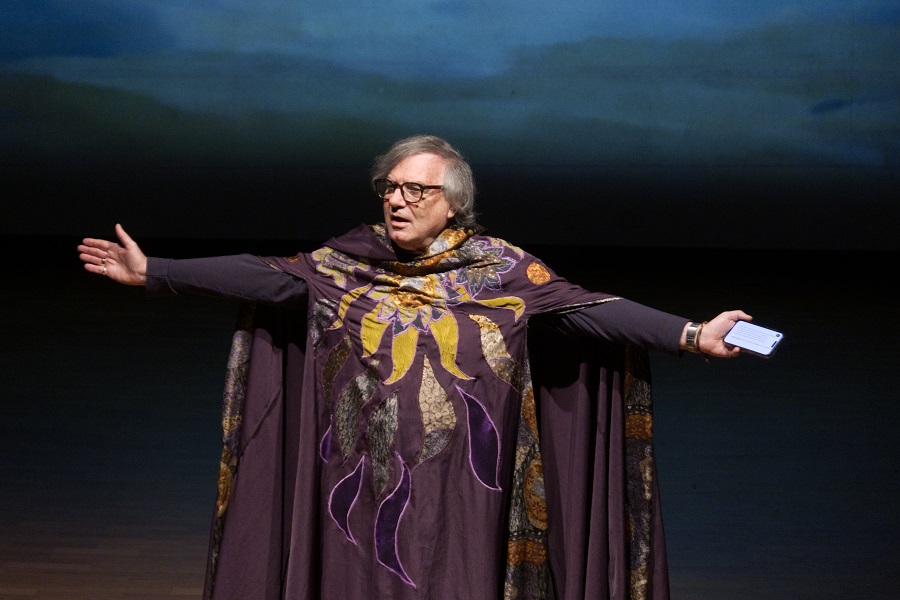
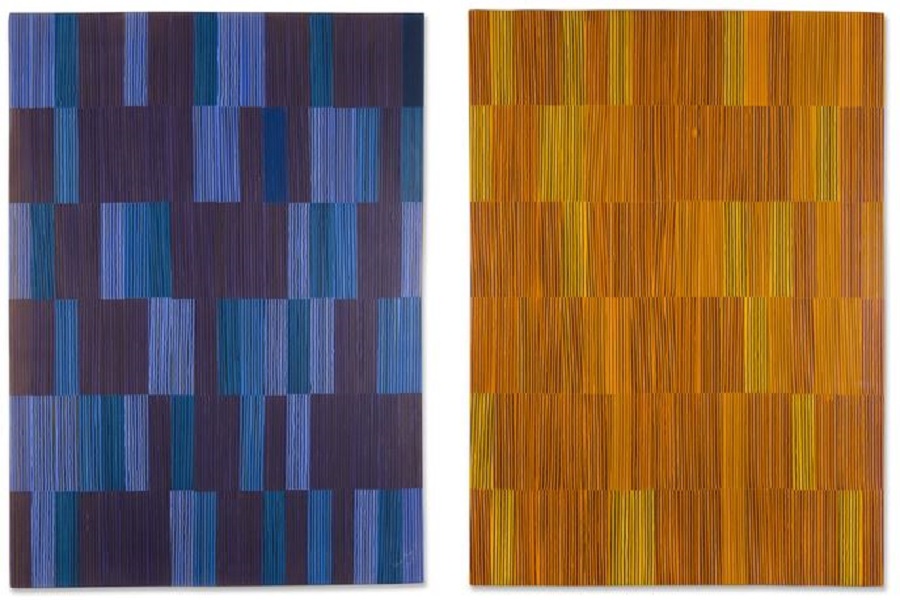
Her newest composition, The Prophet presented Clingan’s settings of seven segments of Kahlil Gibran’s famous 1923 work, scored for voices and instrumental ensemble and staged as a costumed music-theatre piece, complete with projections of words and artworks by Gibran.
Gibran, in his poetry, seamlessly blended Sufi and Bahá’í themes concerning the environment and peace to create a kind of popular mysticism; he is said to be the third most-read writer in the world after Shakespeare and Lao Tzu, and is certainly the most-quoted at weddings.
Clingan has long been fascinated by Gibran, especially his monumental work The Prophet, in which the fictional seer Almustafa (the chosen one) bids farewell to his followers, much in the manner of the Buddha or Lenin, though less eloquently, in 26 sermons.
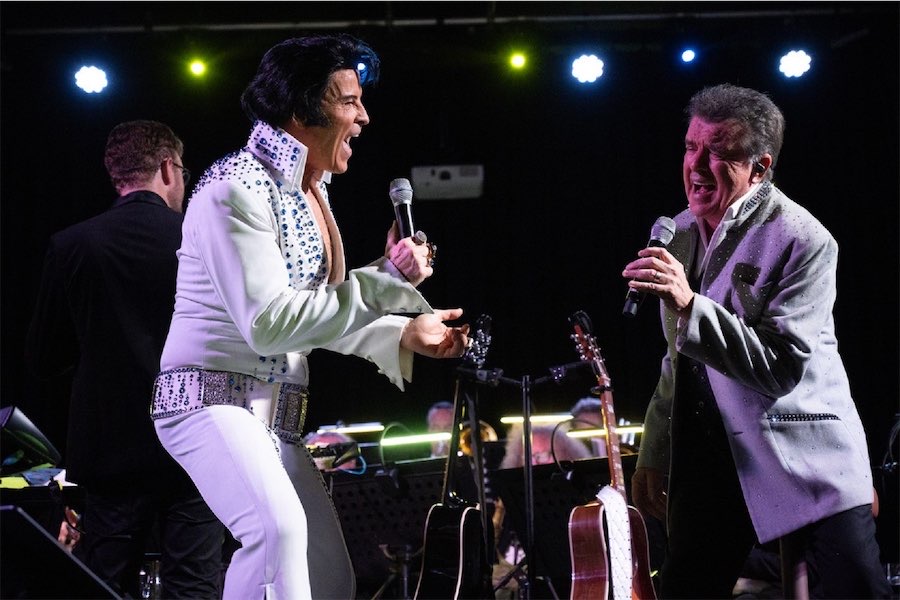
Clingan has focused on just seven elements in her short song cycle: love, marriage, children, work, giving, self-knowledge and God, through a series of questions by an interlocutor (Alanna Maclean) to the Prophet (Nicholas Blaskow). While both had the right voices for this declamatory style, neither had their script down so, disconcertingly, spent more time looking at their text than communicating with the audience.
The projections of words onto the back wall told us more than either of the speakers, and we could see the choristers following them faithfully.
One of the difficulties of numbered song cycles is that you keep looking at the program, so the idea of introducing choreographed movement was a sound one, so long as it supported and interacted well with the music.
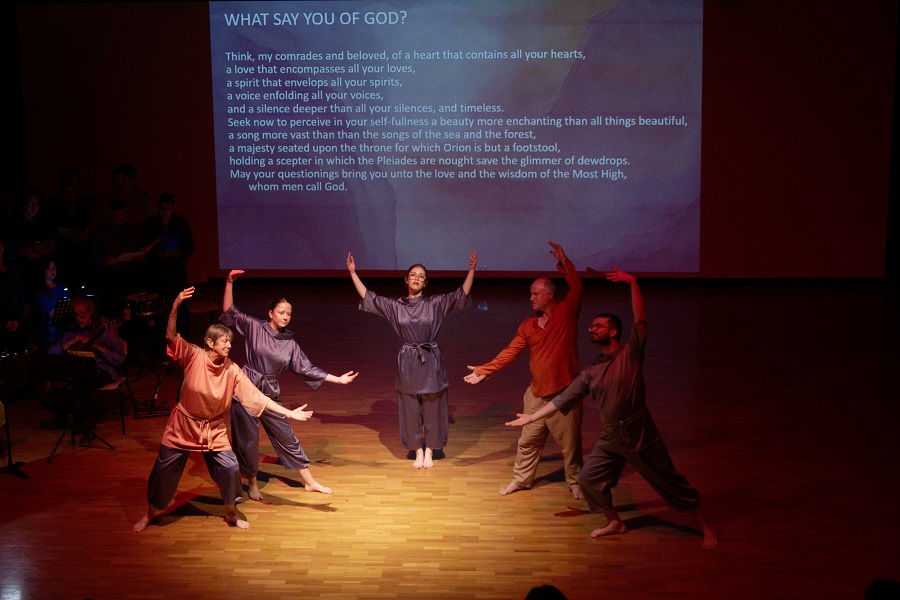
This was not so. Of the artists identified simply in the program with the tag “movement”, only one could dance, the others being actors going painfully through the motions. When two of the dancers enticed Maclean to centre stage, she stood there looking bewildered.
The love sequence, where Clingan’s music is at its very finest, cried out for a pair of exquisite dancers. In the Children sequence, where she introduces wind and percussion instruments, the young people in the cast looked keen to jump around in play, but the music did not give scope for childish mischief.
This is not one of Clingan’s finer works. In the first two sections, Love and Marriage, the predominance of the strings has allowed her to create a tender, longing effect, but in the later sections, the proliferation of instruments made it seem like a work still in progress. The last two more visionary sections, Self-Knowledge and God, are not helped by the banality of the poetry.
News all day, every day at CityNewsQBN.com.au.


Leave a Reply