By FARID FARID & Duncan Murray in Sydney
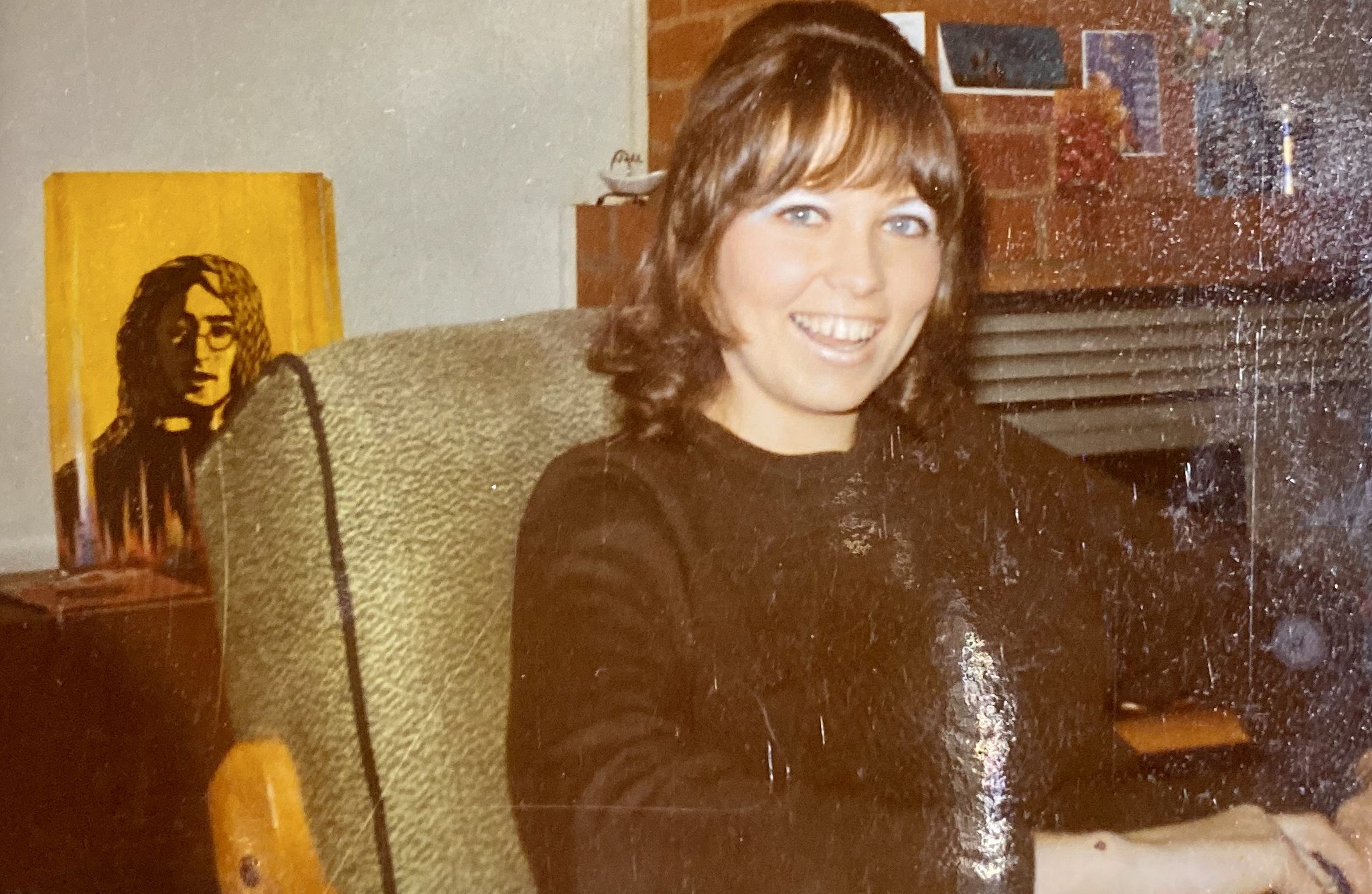
The family of Canberran Keren Rowland, who was found dead after disappearing one night in the early 1970s, haven’t given up hope of uncovering the truth about what happened to her.
They believe she may have been the first victim of notorious serial killer Ivan Milat and say had police made the connection, he could have been stopped much earlier in his lethal campaign.
Ms Rowland’s younger brother, Steve Rowland, appeared on Thursday at a NSW parliamentary inquiry into unsolved murders and missing persons between 1965 and 2010.
“We have and will continue to search for answers but we’re finding it incredibly difficult to get the same support and help from the investigating authorities,” he told the committee.
Ms Rowland disappeared on February 26, 1971 after spending the evening at the Canberra Show. She was aged 20 and was five months pregnant.
A dog walker discovered her body in a pine plantation outside Canberra.
Retired detective Hugh Hughes, a former British police officer married to Keren’s cousin, described being knocked back repeatedly from receiving archival information from the Australian Federal Police as “institutional corruption”.
ACT Police had first investigated the case, followed by the AFP.
“It means the current organisation and its people trying to cover up errors they made in the past. Unfortunately, as it stands today, I can’t rule that out,” Mr Hughes said.
“Police need to learn to be open, honest, and transparent and own mistakes … the families deserve better, Australia deserves better.”
Missing evidence, hidden files and incomplete investigations are some of the challenges families of Ivan Milat’s suspected victims say they have faced in their quest to find answers.
Milat died in 2019 while serving seven consecutive life sentences for murdering seven backpackers whose bodies were found in NSW’s Belanglo State Forest in the 1990s.
NSW Legalise Cannabis MP Jeremy Buckingham, who is chairing the inquiry, said he believed Milat’s murders date back to the early 1970s involving several victims whose cases remain unanswered for decades.
Ms Rowland disappeared on February 26, 1971 after spending the evening at the Canberra Show. She was aged 20 and was five months pregnant.
She had arranged to travel with her sister, sister’s fiance and another friend to continue the night at a venue in Canberra’s north, with the trio travelling in one car and Ms Rowland alone in another.
At some point during the journey the vehicles became separated and the group lost sight of Ms Rowland, assuming she must have changed her mind and gone home.
Ms Rowland’s car was found abandoned later that evening and three months later a dog walker discovered her body in a pine plantation outside Canberra.

Ms Rowland’s family believe her abduction and murder was sexually motivated and may have been the start of Milat learning his predatory behaviours.
The family claim at numerous junctures police could have connected Ms Rowland’s death with Milat, including in the weeks after her disappearance when he was arrested for the alleged abduction of two women near Goulburn, one of whom he allegedly raped.
Mr Buckingham said policing had come a long way, but in the past involved a bias against some victims including Aboriginal people.
Choking up at times during his testimony, Kevin Docherty, whose twin sister Kay disappeared 47 years ago, touched on how his family was forced into playing detectives themselves.
“This was not our job, but families do this for their loved ones,” he told the inquiry on Thursday.
He also believes there could be a connection with Milat based on witnesses coming forward and the serial killer working a mere 15 minutes away from Warilla, where Kay grew up.
Jeff Dakers, a former detective turned pastor who worked on the case, criticised the force for how resources are used in cracking cold cases.
“It’s incredible how disappointing I am personally at the lack of police action,” he said, accusing them of “bureaucracy, complacency and just lack of interest”.
Missteps by investigators in the cold case of toddler Cheryl Grimmer, who disappeared from a beach near Wollongong more than five decades ago, were also raised in the inquiry.
“We’re not asking for your sympathy, we are asking for transparency, we are asking for accountability,” her brother Ricki Nash said on Thursday.
News all day, every day at CityNewsQBN.com.au.



Leave a Reply