By arts editor HELEN MUSA
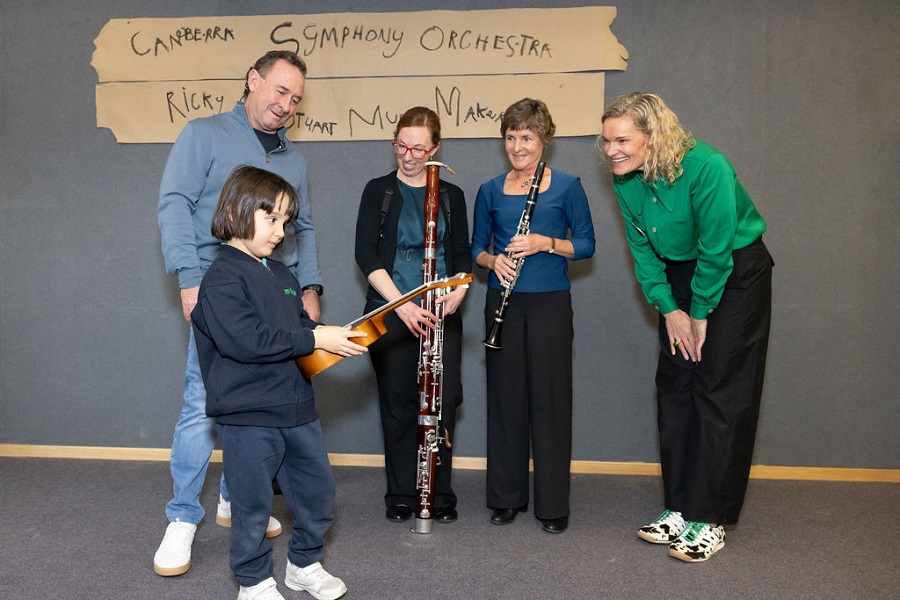
A new partnership between Canberra Symphony Orchestra and The Ricky Stuart Foundation will bring live music experiences to autistic, neurodivergent and disabled students across Canberra’s specialist schools.
The Ricky Stuart Music Makers program was officially launched at Malkara School in Garran on Friday and will expand the orchestra’s successful Diverse Abilities initiative over the next three years. The program will operate across Malkara, Woden, Cranleigh and Black Mountain schools, combining classroom-based performances with autism-specific training for musicians and staff, inclusion planning and family engagement activities.
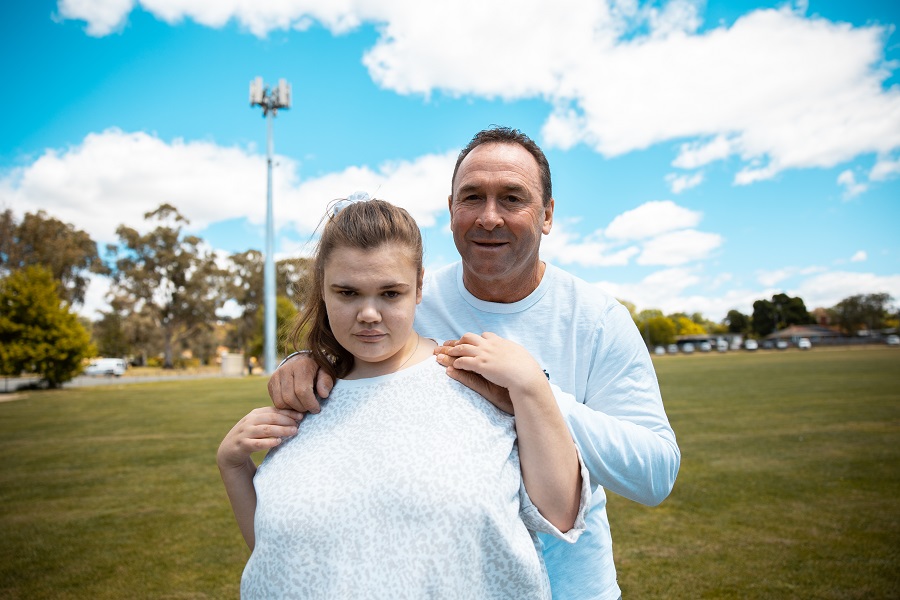
Canberra Raiders coach and autism advocate Ricky Stuart said the initiative reflected his foundation’s commitment to creating a more inclusive Australia for people with autism and their families.
“I started The Ricky Stuart Foundation because I know, through my own family, how important it is for children with autism to be understood, included and given the same opportunities as all children,” Stuart said.
“This partnership is about saying to these young people, ‘you belong here, this experience is for you, and your needs have been thought about’.”
US disability specialist in music education Alice Hammel, who is advising the program, said music could have a profound impact on neurodivergent children.
“Music is the only thing on earth that crosses both hemispheres of the brain,” she said. “Children can learn things through music more easily because music can go anywhere in the brain.”
The CSO’s Diverse Abilities program began in 2019 and was designed for students who may find traditional concert settings overwhelming or inaccessible. Rather than expecting students to attend performances, musicians bring live music directly into classrooms where children can listen, sing, dance and participate at their own pace.
CSO Community and Education manager Donna Parkes said the new partnership would help the orchestra broaden its reach and build a nationally significant model for accessible music education.
“For some students, walking into a concert hall or sitting through a large-scale performance just isn’t possible, but that shouldn’t mean they miss out on the experience of high-quality live music,” Parkes said.
“This program lets us take music to students with diverse abilities in a way that’s accessible and comfortable. Bringing performances to them in a familiar space can be incredibly calming and they get so much joy out of it.”
The partnership will also connect the CSO with neurodiversity specialists and advisors, helping the organisation develop an evidence-based approach that could eventually be shared with arts organisations across Australia and overseas.
Future plans include extending the program to school leavers and helping families feel confident attending mainstream orchestral performances.
The initiative comes as autism diagnoses continue to rise in Australia. According to the Australian Bureau of Statistics, almost 291,000 Australians were identified as autistic in 2022, a 41.8 per cent increase since 2018, with prevalence highest among children and young people.
News all day, every day at CityNewsQBN.com.au.


Leave a Reply