By arts editor HELEN MUSA
Today is Indonesia’s National Batik Day, marking the anniversary of UNESCO’s inscription of Indonesian batik on the Representative List of the Intangible Cultural Heritage of Humanity on October 2, 2009, and Canberra has been joining the celebrations.
While people across Indonesia will be wearing shirts, dresses and sarongs decorated with regional patterns using the traditional wax-resist printing technique, the Indonesian Embassy in Canberra has been exploring a more environmentally friendly cold-wax technique using tamarind seeds.
The famous resist-dyeing technique, which may have originated in ancient Egypt, is practised around the world but has undoubtedly reached its apogee in Java, Indonesia, where the refinement and expertise involved in producing batik cloth was so highly developed that it challenged even the might of the Dutch mercantile empire.
Today, one of the big concerns surrounding batik is its environmental impact, particularly the effects of hot wax and dyes finding their way into waterways. Alternative resist materials are used in other countries, including mud in India and rice paste in China and Japan.
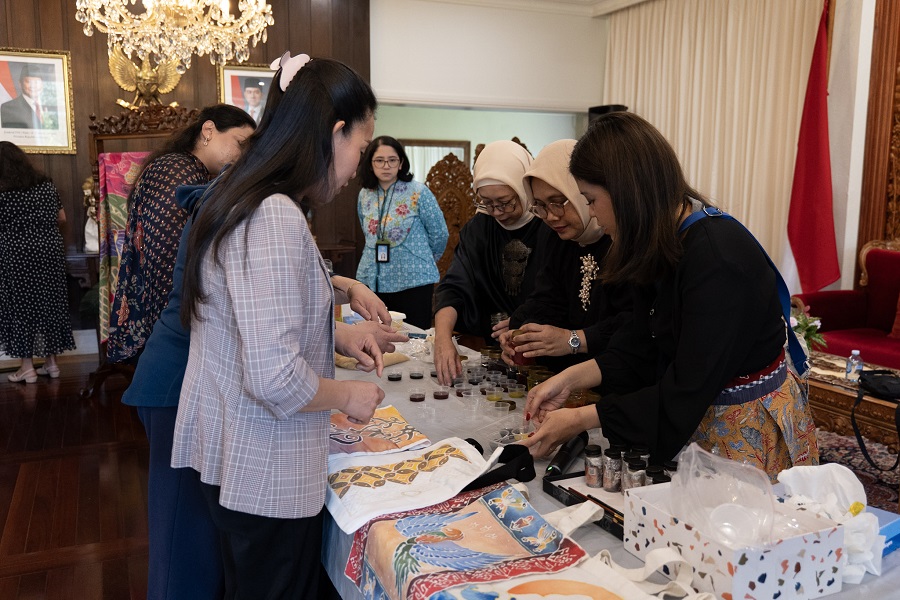
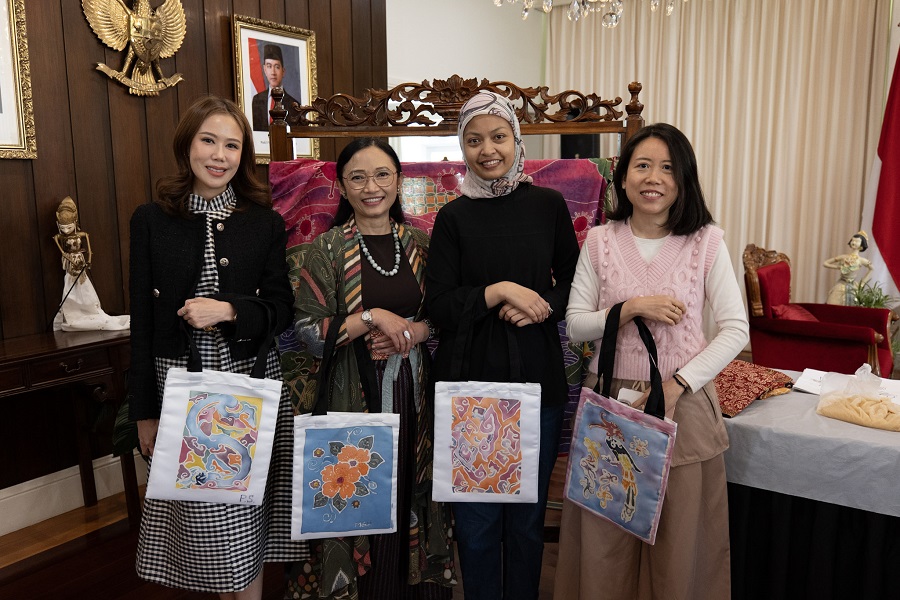
On Thursday, a hands-on tamarind batik workshop was presented at the Indonesian Residence by arts and design lecturers visiting from Indonesia’s Trisakti University and Maranatha Christian University, along with a designer from the LIT Group in Jakarta and a representative of International SOS.
They showed participants how to use a paste made from tamarind seed, mixed with butter and water, to create a batik art medium.
This was followed by an evening workshop for members of the ANU Handbells Ensemble and Community Music Centre Handbells Ensemble, who learnt how to wear tamarind-batik cloth while they perform at Floriade Stage 88 on Friday, October 2, to mark the UN International Day of Non-Violence.
News all day, every day at CityNewsQBN.com.au.




Leave a Reply