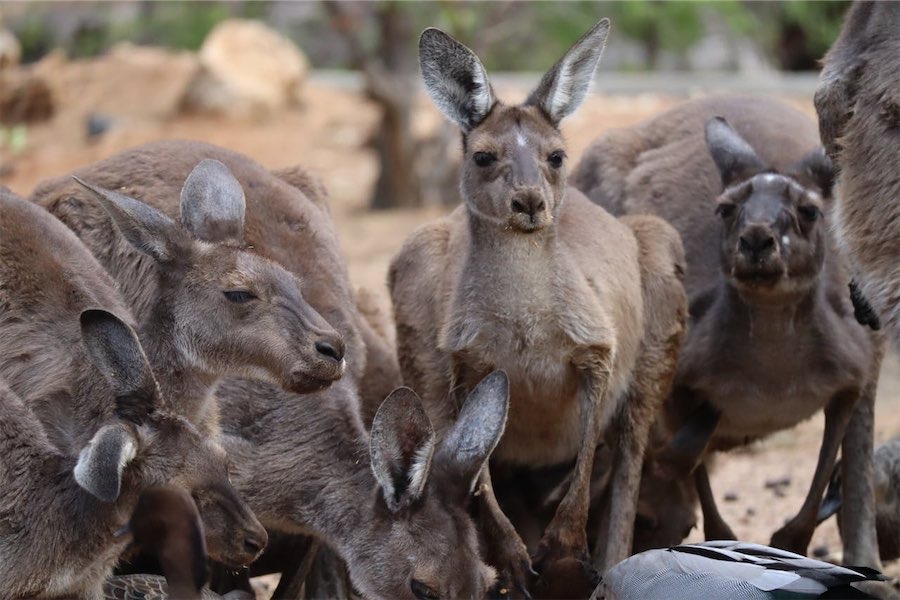
Artificial intelligence-powered animal detection cameras and smart warning signs are being trialled on the Monaro Highway near Cooma in an effort to reduce wildlife-vehicle collisions.
The NSW Government has installed the Protective Animal Warning System (PAWS) on a section of highway identified as a wildlife hotspot, where high speeds, limited lighting and frequent animal movement increase the risk of crashes, particularly around dawn and dusk.
The system combines heat-sensing and optical roadside cameras with an AI computer vision model trained to recognise common animals including kangaroos, deer and wombats. When wildlife is detected on or near the road, electronic roadside signs are activated to warn approaching drivers in real time.
Transport for NSW developed the technology during 2025, using wildlife movement data and thousands of images to train the AI system. The project included testing at Transport’s Yennora facility and collaboration with Symbio Wildlife Park, where cameras captured images of different species to improve the system’s ability to identify animals under varying weather and lighting conditions.
The Monaro Highway installation marks the first live roadside trial of the technology. It will operate alongside existing measures such as wildlife fencing, crossings and vehicle-activated warning signs.
The trial is being funded through a $500,000 NSW Government commitment to investigate emerging technologies that could reduce wildlife strikes. The initiative follows recommendations from the 2024 Wildlife Symposium in Sydney.
Roads Minister Jenny Aitchison said the trial would test whether AI and smart signage could improve safety for motorists while reducing harm to wildlife.
Transport for NSW will monitor the performance of the system to determine whether it could be expanded to other high-risk locations across the state.
News all day, every day at CityNewsQBN.com.au.




Leave a Reply