By William Ton and Allanah Sciberras
Australians are being reassured poultry and egg products are safe to eat after a deadly bird flu strain.
The virus has made its way onto local shores for the first time, plunging a major chicken producer into lockdown.
Two birds in Western Australia have tested positive for the H5N1 virus, with some major producers locking down farms as a precaution.
There has been no evidence indicating the strain being found in local poultry or agriculture, federal Agriculture Minister Julie Collins said.
“We’re not sure yet if it’s established in wildlife in Australia,” she told ABC News Breakfast on Tuesday.
But the minister warned lessons from overseas indicated the virus cannot be prevented from spreading, and Australia cannot stop it arriving via migratory birds.
“Experts will decide whether or not it’s eradicable or whether or not we manage the disease,” she said.
Nationals deputy leader and agriculture spokesman Darren Chester said producers were hoping for the best, but had to prepare for the worst.
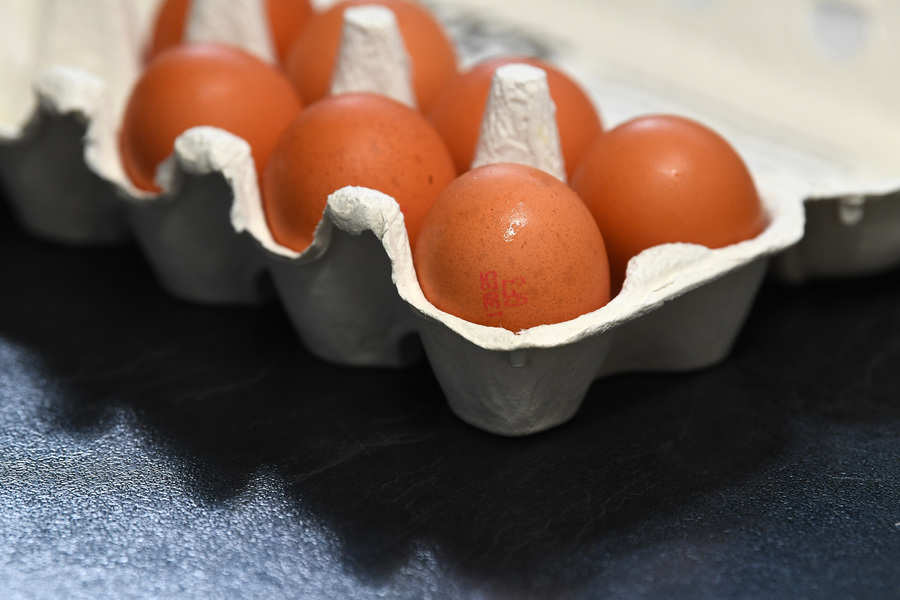
“This is a potentially very serious situation, but we need to reassure Australians right now and reassure them quite clearly that it is safe to eat Australian poultry and eggs,” he told reporters on Tuesday.
National Farmers Federation’s Warwick Grave said farmers had been planning for incursions.
“Surveillance is at a high level and increasing, and there are systems in place to try and deal with this outbreak,” he said.
This strain is different from past bird flus Australia had faced because the virus had caused significant damage overseas, Australian National University expert Robyn Alders said.
“The impacts are considerable, both in terms of agriculture but there are concerns for the poultry industry,” Dr Alders said.
Authorities are aware H5N1 is causing significant infection and productivity losses to the United States dairy industry, as well as evidence showing the virus in Canadian wild pigs, she added.
The strain can infect and cause serious illness or death in a range of species, including rodents and cats, making it more difficult to detect, monitor and control.
Pet owners should keep their animals on a leash in wildlife areas and cats kept indoors to minimise contact with potentially affected birds, the Lort Smith Animal Hospital said.
“If the virus does spread, pet owners, particularly cat owners, should be aware that this particular strain is quite virulent for cats,” said Dr Alders of the ANU’s development policy centre.
A brown skua and a northern giant petrel are at the centre of testing after being discovered on a remote beach in Esperance, about 700km southeast of Perth, while more than a dozen cases of sick or dead birds have been reported.
Despite only two confirmed cases, major poultry producer Inghams announced it would lockdown its WA sites to mitigate against potential risks.
More than 200 million chickens have been culled in the US since the virus arrived there.
The public has been urged to avoid but report and record sick and dead birds and marine mammals to the emergency animal disease hotline.
News all day, every day at CityNewsQBN.com.au.





Leave a Reply