By Jacob Shteyman in Canberra
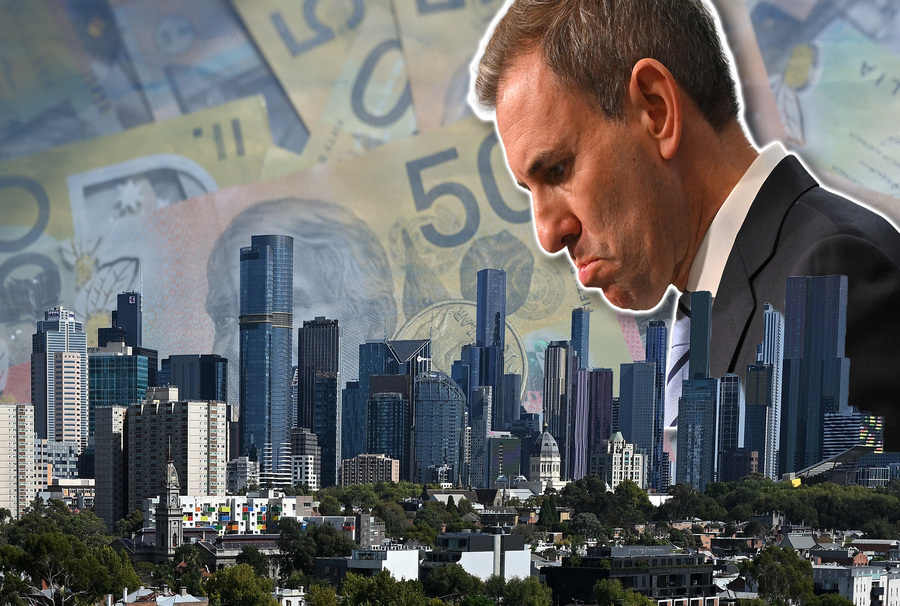
Australia’s economic growth rate slowed to 0.3 per cent in the first three months of the year as the effects of interest rate rises and the Iran war started to be felt.
Growth in gross domestic product was down from the rapid 0.9 per cent expansion recorded in the December quarter, Australian Bureau of Statistics data showed on Wednesday.
The result was largely in line with economist forecasts.
Annual GDP growth was 2.5 per cent, stable from December after a downward revision, but below the Reserve Bank’s May forecast of 2.6 per cent.
“Economic growth slowed in the March quarter, with modest household and public sector expenditure as well as cyclone disruptions to mining and export activities,” ABS head of national accounts Grace Kim said.
GDP per capita fell 0.1 per cent, but was still up one per cent over the 12 months to March.
The momentum in Australia’s economy was fading and the base of growth was narrowing, Deloitte Access Economics partner Stephen Smith said.
“For policymakers, the result is uncomfortable.
“The economy is cooling, but not in a way that suggests inflation will fall neatly back to target.
“Productivity weakened again and unit labour costs remain elevated, meaning the Reserve Bank will see softer activity, but not necessarily evidence of easing domestic cost pressures. A fourth rate hike in 2026 is still on the table.”
Productivity – as measured by GDP per hour worked – fell 0.6 per cent in the quarter, while net trade detracted 0.8 percentage points from GDP growth.
Imports surged on the back of higher fuel prices and the AI boom, resulting in Australia’s first trade deficit since December 2017.
The data centre build-out, which drove a massive increase in business investment, is highly reliant on imported server racks, while increased use of AI software also fuelled a rise in service imports.
Meanwhile, exports fell as weather disruptions impacted industries such as mining, in which production fell 1.5 per cent.
Household spending rose 0.5 per cent in the quarter, although this was due in part to the ending of government energy rebates pushing up spending on electricity, gas and other fuels.
Higher compensation of employees drove up household disposable income – a crude measure of living standards – by 0.4 per cent, but was partly offset by an increase in income tax and larger interest payments.
The data only partially showed the effects of the RBA’s three rate hikes in 2026 and the flow-on effects of the Strait of Hormuz blockade, NAB chief economist Sally Auld said ahead of the release.
But it would provide a baseline for where the economy was before the Middle East conflict and the budget tax changes hit sentiment in the housing market, she told AAP.
As an incipient downturn in Sydney and Melbourne spreads to other markets, it could further slow the economy and make the RBA’s job of tackling inflation somewhat easier.
Ahead of the release, rates markets were fully priced in for an RBA hold at its next meeting in June.
But market pricing suggested a four in five chance of another rate hike by the end of the year.
Treasurer Jim Chalmers said it was a very solid result in the circumstances.
“This is the equal fastest pace of annual growth in almost three years,” he said in a statement.
“It shows how resilient our economy is at a time of substantial global economic volatility.”
The Australian Chamber of Commerce and Industry said a slowing economy was a major concern for business.
“The outlook for business is very worrying, and the prospect of higher taxes on business investment and trusts only adds to that concern,” ACCI chief of policy David Alexander said.
News all day, every day at CityNewsQBN.com.au.



Leave a Reply