By Farid Farid
Deepfake videos of Donald Trump dancing or Dick Smith hawking bogus products can scam people online who think they are reliable news.
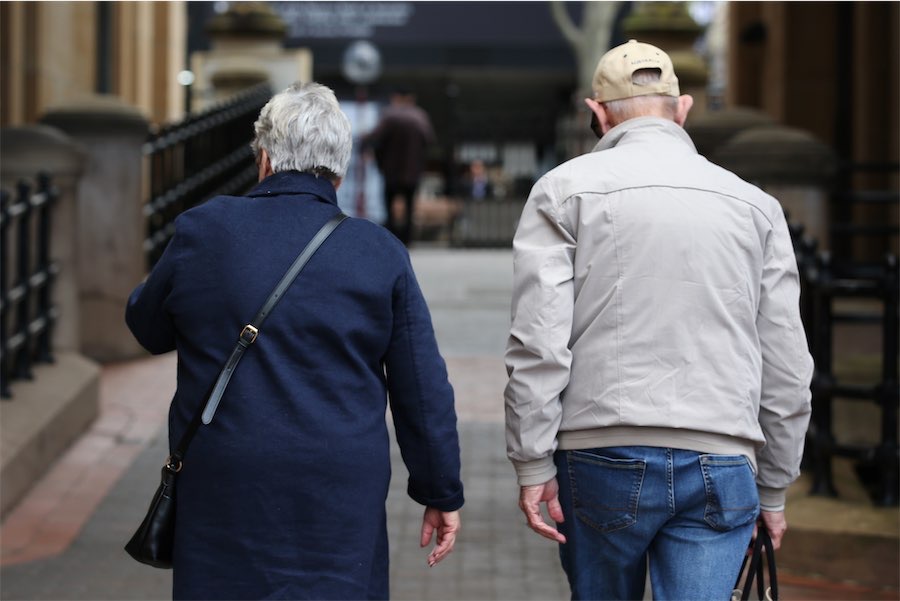
But a 60-minute fact-checking course designed by media researchers is helping older Australians navigate the online world.
A report by University of Canberra academics found media literacy levels were improved after the hour-long class by 23 per cent regardless of participants’ backgrounds and political beliefs.
It had a marked impact on people who were older, living in a regional area, less educated, and culturally and linguistically diverse, the 40-page report showed.
“We know the internet, social media and AI have upended the information landscape … with no consistent guardrails for accuracy, independence or ethics,” report lead author and PhD candidate Saffron Howden said.
“In this environment, misinformation has flourished, threatening social cohesion, public and civic health, and democracy.”
A total of 79 participants, aged 55 and older, attended physically in libraries or online and were recruited through traditional news media, targeted social media advertising and posters in their public libraries.
Health, personal finance and renewable energy were chosen because older Australians are clicking online to access health information, scammers are financially abusing them and climate change is politicised.
Participants were given tests such as distinguishing between an advertisement and a genuine news item.
After taking the course, researchers found people were 27 per cent substantially better at sorting between reliable and untrustworthy content.
They were also 32 per cent more confident in their ability to verify information.
And the skills also stuck, with average media literacy levels remaining 11 per cent higher than before taking the course.
“Media literacy is a cost-effective and proven way to develop critical thinking skills … in an increasingly overwhelming and polarised online ecosystem,” Ms Howden said.
The study comes days after Reuters editor-in-chief Alessandra Galloni described AI as a potentially existential challenge for news outlets in a keynote speech to media professionals.
“It is our collective responsibility – to the public, to society – to enhance our and their understanding about the pitfalls and possibilities of AI,” she said.
News all day, every day at CityNewsQBN.com.au.



Leave a Reply