By Lucinda Garbutt-Young in Canberra
Australia has made good progress in its transition to renewables, the energy minister says, despite figures showing households have paid billions more for electricity since Labor came to power.
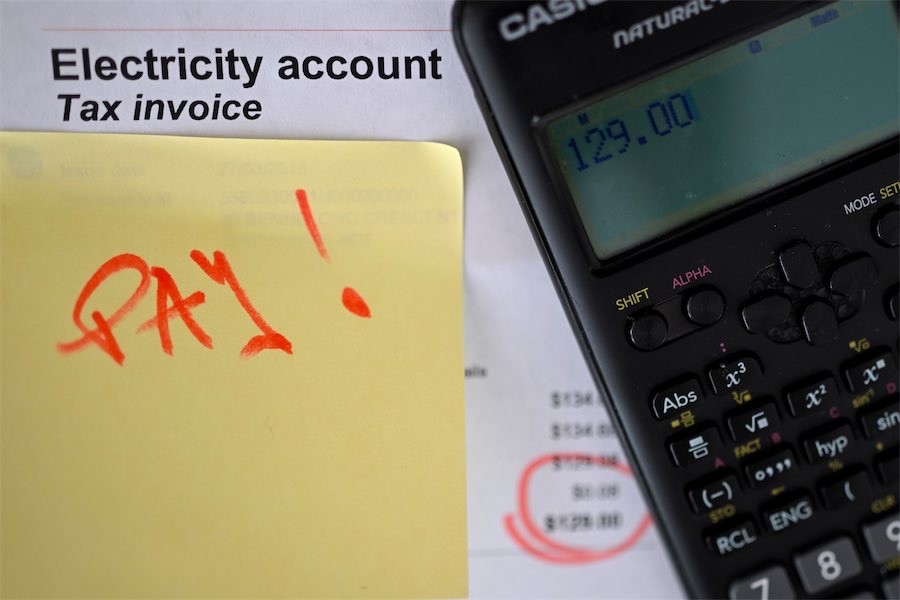
Coalition analysis of energy regulator data shows consumers across the National Electricity Market have paid a combined $22.7 billion extra on energy bills since 2022.
The figure is based on the median power bill from that year, when Labor campaigned on a pledge to reduce household electricity costs by $275 by year, helped by the rollout of affordable renewable energy.
Since then, prices have soared, in some cases adding more than $1000 to annual family budgets.
Energy Minister Chris Bowen conceded energy bills were too high, but he blamed the former coalition government for a decade of inaction on energy policy.
“It’s the result of a couple of things: it’s the result of an international energy crisis, particularly around Ukraine, that we had to deal with,” he told Sky News on Sunday.
“It’s a result of 10 years of denial and delay (under the coalition). We have a plan to make that better, they have a plan to make it worse.”
Wholesale energy costs soared in 2022 and 2023 as the war in Ukraine drove up global gas prices, while there were also several unplanned outages at ageing coal-fired power stations.
Poor weather also led to lower output from renewable sources such as wind and solar.
More than 80 per cent of electricity in the grid is due to be generated from renewable sources by 2030 under a federal goal.
Nationals leader Matt Canavan accused Labor of committing to a policy that had failed to deliver lower living costs for families.
“Why, after all the promises, all the rhetoric that renewable energy is cheaper, why are families paying so much more?” he said.
The nation needed to use all of the resources at its disposal, including extending the life of coal-fired power plants and exploiting its uranium reserves to fuel nuclear reactors, Mr Canavan added.
The latest energy default market offer pointed to a fall of 10 per cent in household power bills in the coming year, but the Nationals leader said the drop had only come after “massive” increases in earlier years.
Investment in large-scale wind and solar energy projects has also dropped significantly, falling to among the lowest levels in a decade, according to the Clean Energy Council’s 2025 figures.
But Mr Bowen said there remained “many, many gigawatts” of renewable energy in the pipeline.
“Of course, there’s always headwinds and challenges, you deal with those, and the economics of particular types of energy do come through particular phases,” he said.
“But against all that, we’re making really good progress.”
News all day, every day at CityNewsQBN.com.au.


Leave a Reply