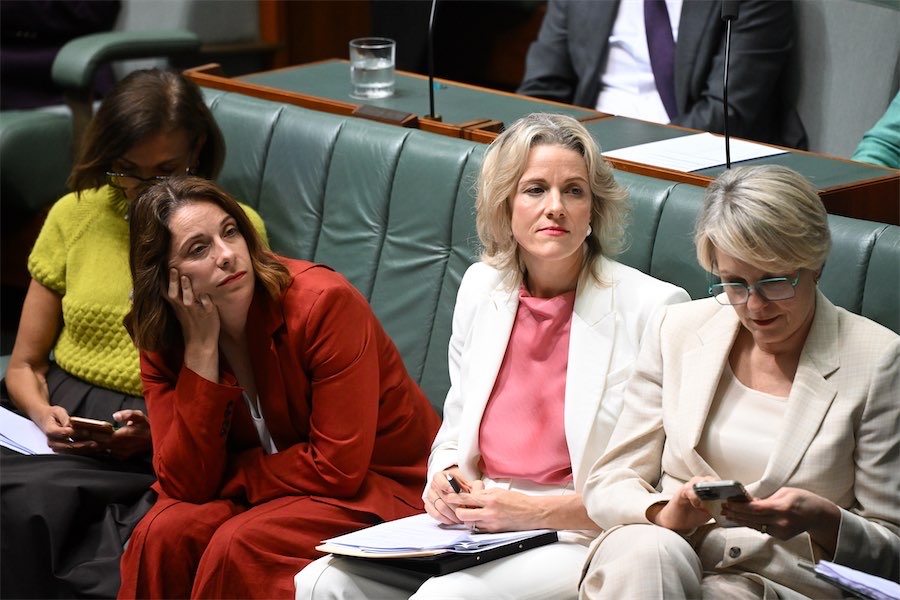
“The number one reason some women are reluctant to either get in or stay in politics is what is said about them on digital and social media. Some have shared just a weekly snapshot of what they get and it is atrocious.” Photo: Lukas Coch/AAP
“We read less, but consume more. The visual format of that consumption allows for increasingly effective misinformation and disinformation thanks to AI. Videos and images of candidates can look real, even if they aren’t,” writes political columnist ANDREW HUGHES.
Democracy in Australia faces several significant challenges if it is to be fit for purpose in this century.
Dr Andrew Hughes.
Some, such as the use of hate and division as strategies on the global stage, are beyond our control.
Some, such as how we value, respect and protect active participants in public discourse, need stronger protections and actions to ensure our democracy doesn’t get seen as one in name only.
Where to start then?
Here are four areas of reform we need to consider:
1. Accountability
Many women have said to me the number one reason they’re reluctant to either get in or stay in politics is what is said about them on digital and social media. Some have shared just a weekly snapshot of what they get and, readers, it is atrocious. Just for a week. Multiply that by 52 by years.
While what men receive is just a bit better, it isn’t by much.
As I wrote in my last column, so many of us are so angry right now. But it seems doing bad is rewarded, being good punished.
We have normalised a lack of accountability on behaviour. Excuses abound why punishment should not follow behaviour.
And I am not just talking about your street-level hoodlum here. RoboDebt? Nothing and most perpetrators remain anonymous. Nixon Review? Nothing and most perpetrators remain anonymous. ACT Health? Nothing and most perpetrators remain anonymous. Data and privacy breaches? Nothing and most perpetrators remain anonymous.
Nothing and most perpetrators remain anonymous. And repeat. So many areas of government. So many big corporates. Of course, that includes social media as well.
Accountability can’t just start online though. It needs to be accepted far more in all of our society. How can someone in a government role who is a bully not just escape sanction but be given hundreds of thousands of dollars for doing so? It’s enough to make your blood boil, right?
During the Paris education riots this year a protester, face mask on, turned to the camera and said: “When you don’t listen to our anger, there is only one other place for it to go.”
Accountability is not just on one platform for one group, it needs to apply equally to the high and the low.
That only happens with actions and punishments that reflect community expectations on punishment of harmful behaviours at all levels of society.
2. Campaign reforms
I’ve said it before, using candidate images needs to be regulated. We are so visual now as a society. The top social media apps are all visual.
We read less, but actually consume more. But the visual format of that consumption allows for increasingly effective misinformation and disinformation thanks to AI.
Videos and images of candidates can look real, even if they aren’t.
A person, who themselves may be more susceptible to disinformation because of their own underlying mental health issues, could look at that and say, “That person said or did what?!” and then think this person needs to be stopped and now.
We also need to impose on political parties limits to the number, format and platforms for negative communications. And not using images of people so it puts the focus on policy.
All candidates should have security assessments done and if they need a taxpayer-funded minder on the campaign trail so be it.
Keep in mind most attacks on politicians are lone actors. However, as a captured IRA terrorist infamously said after bombing the UK Conservative Party conference to try and kill Margaret Thatcher: “I only have to get lucky once. You need to get lucky all the time.”
3. Parliamentary accessibility
Firstly give all members of parliament equal staff numbers. Reduce the anger by reducing times in response to matters. Have more staff who are able to do some of the electorate-facing load to reduce workloads, but also identify risks earlier.
This is not about politics anymore. This is about the safety of people.
Also assist members of parliament to integrate high-volume contact methods such as AI chat bots to help with initial conversations.
Have a special electorate allowance for the funding of public meetings in safe environments.
We also need to accept that, sadly, in this age, that meeting with our elected representatives face-to-face may get harder.
4. Then there’s us…
You only ever know you live in a democracy when you hear different views and ones you don’t like. But I am glad that we do.
We personalise policy views far too much. That is on us to change.
Can we though? You get to write the answer to that.
Dr Andrew Hughes lectures at the ANU Research School of Management, where he specialises in political marketing.
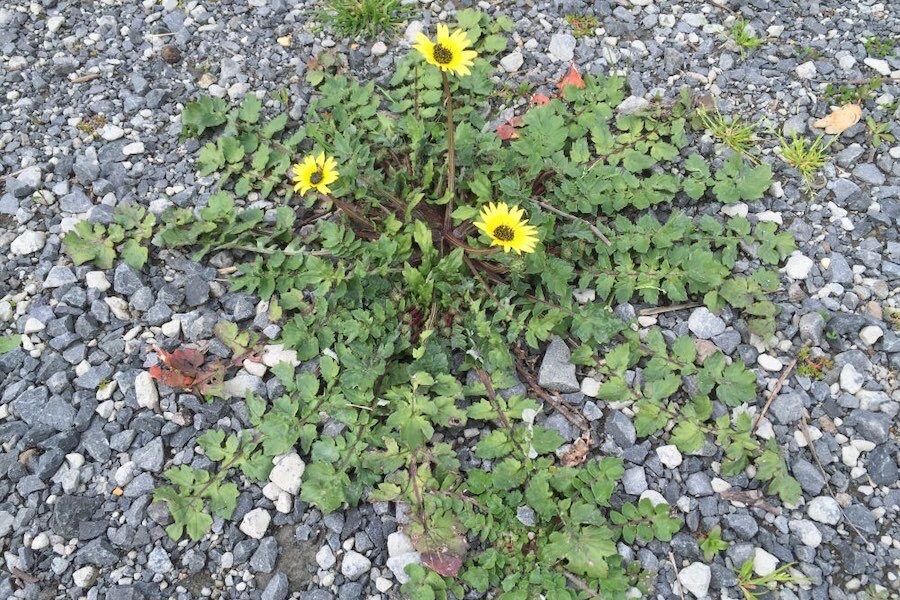
"There are some ovals in the Belconnen area that are surrounded by capeweed and in places the weed is now growing on the oval," writes reader RON ROBERTSON, of Scullin.



Leave a Reply