By Aaron Bunch
A mass mortality event, potentially triggered by bird flu, mirrors what’s happened as the deadly disease spread overseas, environmental advocates warn.
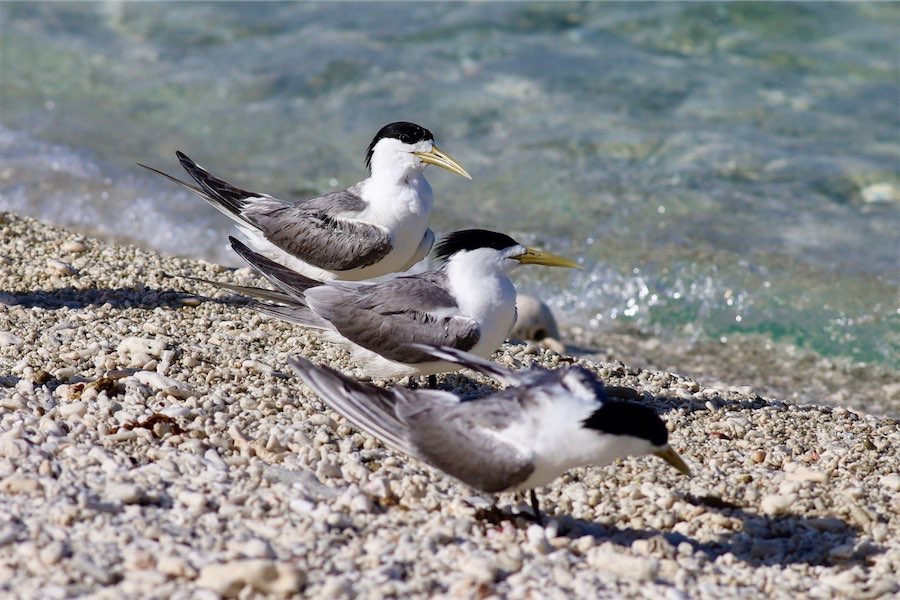
More than 80 dead and sick greater crested terns have been found at an island called Baudin Rock in South Australia.
Authorities say it is likely to be the first mass mortality event from the deadly disease.
Invasive Species Council said Australia was still at the very early stages of the H5 outbreak, but it could spread quickly.
“It seems the virus is starting to take off, mirroring the experience in South America,” chief executive Jack Gough said.
“(That is:) early detections, then rapid increases in numbers and spread, leading to mass mortality events in wildlife.”
Bird flu has caused significant illness and deaths in poultry, wild birds and mammals in Asia; Europe; North and South America; and the Arctic and Antarctic, according to Wildlife Health Australia.
Over 600 bird species and more than 100 mammalian species, including wild marine and land mammals, have been affected.
Domestic pets, including cats and dogs; and farm animals – such as dairy cows, pigs, sheep and goats, have been impacted by the contagious disease overseas, the Department of Agriculture, Fisheries and Forestry says.
As have marine mammals, including dolphins and seals, and wild animals such as foxes and polar bears.
The disease can, in rare instances, also infect humans, with 485 cases reported in six countries since 2003. Of these cases, 320 were fatal, according to the World Health Organisation.
Australia has recorded 53 confirmed cases of H5 in birds since it arrived in June.
The number could soar, however, with testing underway of more than 80 dead and sick greater crested terns found at an island called Baudin Rock in South Australia.
SA’s chief vet Skye Freuan said it was likely the first mass mortality event from the deadly disease following its discovery in Western Australia in a dead migratory seabird.
“We’ve known that this is going to happen at some point in time,” she said.
“Unfortunately, it does appear to be escalating quite rapidly.”
The terns are not considered suspected or confirmed cases and are undergoing testing for H5 bird flu in Adelaide.
“What we’re seeing is that this virus is now spreading through our local resident birds – crested terns and seagulls,” Dr Freuan said.
“We can’t stop the spread once it gets into wildlife; at some point in time, we were likely to see large numbers of sick or dead animals.”
Mr Gough said vulnerable native bird and sea mammal species were at high risk.
“That’s why we need people to keep pet cats and dogs contained and governments to urgently invest in scaled-up wildlife resilience measures like fox and cat control,” he said.
The council is calling on the Australian government to establish a $200 million Wildlife Resilience Fund.
News all day, every day at CityNewsQBN.com.au.





Leave a Reply