So, why do wine bottles have a dent at the bottom?
Adding a punt (a dent) to a bottle gives it extra strength and stability.
“Development of the punt was important in the evolution of the champagne bottle. In the 1500s, French monks were making sparkling wine. But the increased pressure from the bubbles meant that sometimes bottles exploded,” writes wine columnist RICHARD CALVER.
When I was 19, I got a university holiday job as a fitter’s mate at the Auckland glassworks.
Richard Calver.
It was hot, difficult work, especially when I assisted the “change gang” in setting in place a new ring from the tank furnace to the feed for the automatic bottle-making machines, which moulded the melted raw materials into glass bottles.
The most frightening episode was when one of the feeds to a machine was out of sync and the arm that should have been pressing the liquid glass into the bottle mould started flinging hot glass around the factory floor, with one worker being badly burned.
Because of the sweat induced by the work, I’d shaved off my beard, just keeping what I thought was a sporty Zapata moustache. A moustache is what happens when a beard gives up halfway through a crisis.
The wine bottles made had a dent at the bottom. They have been made with that dent or punt since the 17th century in England.
The history of how that punt came about was one of the chapters in a book I received as a Christmas present. It’s titled Funny You Should Ask… and it is the collected responses to questions posed to the elves of the QI TV series who, once a week on British radio, broadcast responses to strange or quite interesting questions posed by listeners. The question at issue was: why do wine bottles have a dent at the bottom?
The short answer is that just as adding an arch to a bridge makes it stronger, adding a punt to a bottle gives it extra strength and stability. A reinforced base is less likely to crack under pressure.
There are other advantages. Firstly, an empty hidden space makes the bottle look as if it contains more wine, useful marketing. Secondly, the punt assists to collect sediment in a tight ring around the edge, making it easier to pour cleanly without disturbing the sediment. Thirdly, it gives the pourer somewhere to put their thumb. Teaching wine waiters in the 1970s, I stressed this was about style and flourish more than necessity just as I told them to dress like they were already famous. For me it was a very substantial leap from daytime sweaty glassworker to occasionally smooth head waiter at Domain Receptions.
The book says that the development of the punt was also important in the evolution of the champagne bottle.
In the 1500s, French monks were making sparkling wine. But the increased pressure from the bubbles meant that sometimes bottles exploded. Alarmingly, it was found that one exploding bottle could trigger others and a whole cellar’s worth of wine could be destroyed.
This happening was changed when in 1615 King James I, of England, wanted to preserve timber for his expanding navy. So, he banned the burning of wood in many industries including glassmaking.
The glassmakers turned to coal, which burns at a higher temperature than wood. The higher temperature made much stronger glass that became suitable for champagne bottles.
Annealing or strengthening of glass was undertaken in very long lehrs at the glassworks where I worked. The bottles went from the moulding machine on a conveyor belt into a lehr. The lehrs pumped out very hot air. On my first day as a fitter’s mate, one of the fitters said to me: “Hey, Richard take a look at this” and as I put my head around the corner of the lehr, my eyebrows and my moustache were singed. This caused great laughter and, before I went to work that night, I reluctantly shaved off my moustache.
“Things alter for the worse spontaneously, if they not be altered for the better designedly.” –Francis Bacon
With soil warming, it’s time to plant tomatoes, capsicums, cucumbers and other summer vegetables for a productive harvest, writes gardening columnist JACKIE WARBURTON.
"In 2026, NZ had an increase in overall sales of wine of eight per cent, a remarkable statistic given the global decline in wine sales generally," reports wine columnist RICHARD CALVER.
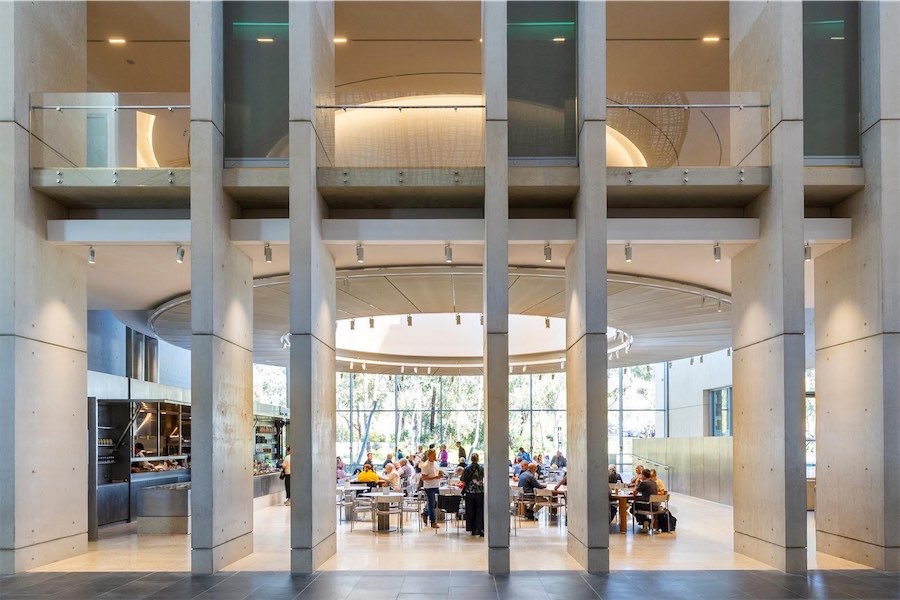
Hats off to the National Gallery for repositioning its café – Oculus Café x Kitchen by Mike – to the ground-floor foyer with views of the Sculpture Garden, writes dining reviewer WENDY JOHNSON.





Leave a Reply