By Andrew Brown and Noah Secomb in Canberra
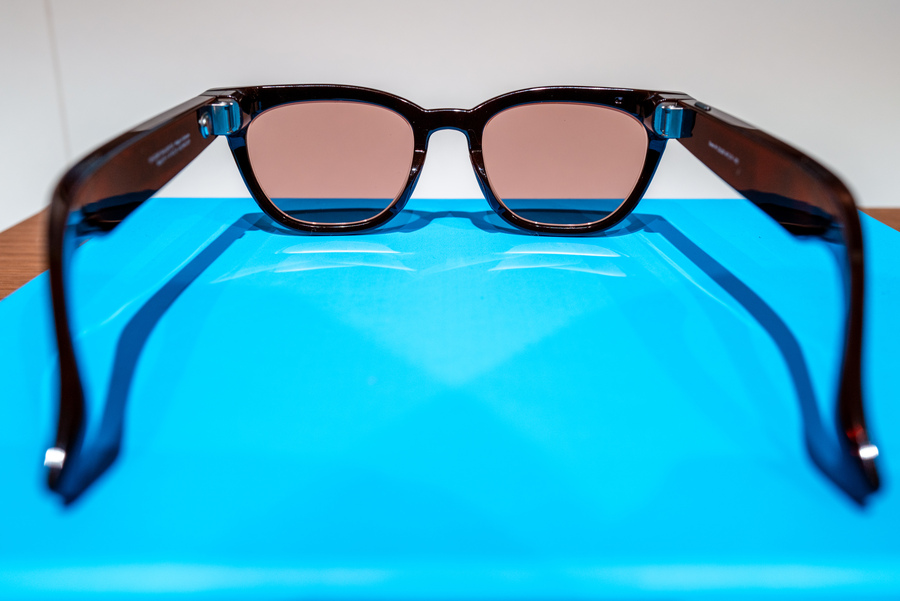
The attorney-general has defended Labor’s decision not to crack down on the import of smart glasses, instead calling on businesses and local councils to step up enforcement.
The growing adoption of the camera-equipped technology products, fuelled by cheaper versions sold by retailers such as Kmart, has increased concerns about privacy and people being filmed without their consent.
Despite growing pressure, Michelle Rowland said the government was seeking a balanced approach and would not ban the glasses outright, citing accessibility considerations.
“Disability advocates and groups and people who are directly impacted in a positive way by this technology also need to have their voices heard in this debate,” she told reporters on Monday.
“An import ban is a matter that would have consequences across government, including across trade, foreign affairs, and other potential legal obligations that can apply internationally.”
Ms Rowland said local government and businesses should take the lead in the meantime.
“Because they can set the terms and conditions of entry into their premises and use of their facilities,” she said.
Brisbane City Council recently banned the use of smart glasses and other wearable technology to secretly record people at all public pools.
In advice to industry, the eSafety Commissioner called for extra protections regarding smart glasses.
The commissioner said the faces of those being filmed should be blurred by default if they had not given consent and clear indications should be provided when glasses were recording video.
The rapid evolution of the technology meant there was still a chance to bake in extra safety features before harms became more widespread, the commissioner said.
“They may become increasingly interconnected with and create new ways to perpetrate different types of harms, such as image-based abuse, adult cyber abuse, cyberbullying of children, or the live-streaming of violent or other harmful content,” the advice said.
“The harms linked to covert recording are not hypothetical. They are real and already occurring.”
The commissioner raised concerns the glasses could be used by “pick-up artists” to film women without their knowledge.
“Most of the women do not realise they are being filmed. These posts often attract misogynistic comments, compounding the harm,” the watchdog said.
“Used in this way, smart glasses can reinforce and normalise watching, recording and controlling women in public without their knowledge.”
The commissioner has also called for live-streaming from the glasses to operate on a delay, and for recording to be disabled when they were not being worn.
The online safety watchdog noted smart glasses could benefit deaf people using speech-to-text features and help people with low visibility.
“Smart glasses can also benefit people with disability because they do not immediately look like an accessibility device,” the commissioner said.
“The accessibility benefits of smart glasses are important and should be acknowledged and celebrated. These benefits do not inherently conflict with safety features.”
The Greens have called for a 12-month ban on importing smart glasses.
Under changes the minor party will bring to parliament, filming, storing or sharing footage from the glasses without consent would breach privacy laws.
Ms Rowland also outlined further potential changes to privacy laws including the right to erasure.
The policy would mean social media users could request tech companies delete personal information published online or held by the platforms.
The draft laws will not apply to media organisations publishing news articles.
Ms Rowland said the privacy laws were needed to keep up with technology changes.
“Twenty-five years ago, everyone in this room, including myself, handed over our personal information to a large digital platform to obtain a free email address, and everyone else has been making money off our personal information except for us,” she said.
News all day, every day at CityNewsQBN.com.au.



Leave a Reply