By Lucinda Garbutt-Young in Canberra
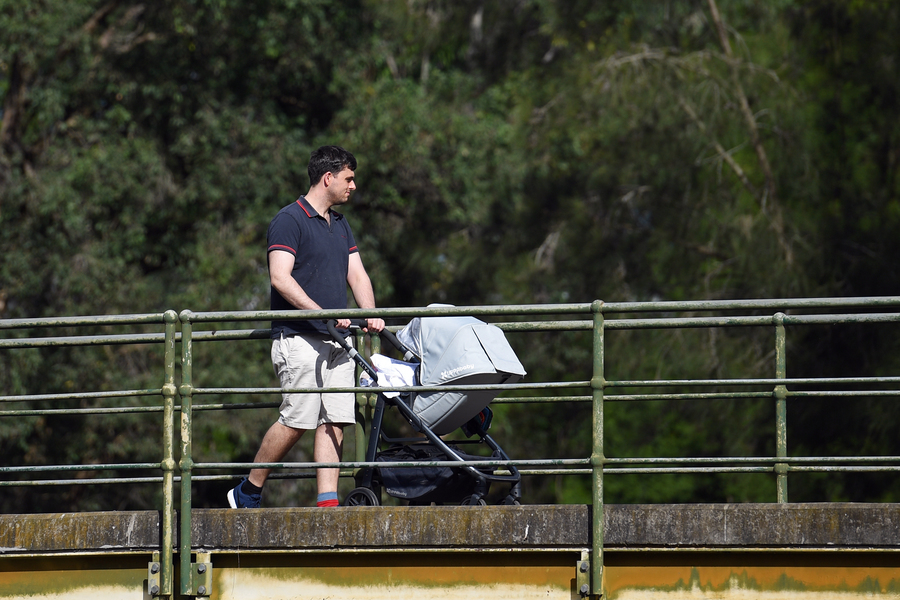
Parents are now spending tens of thousands more each year raising children than they were two decades ago, as inflation disproportionately hits families.
The cost of raising two children has risen by 95 per cent since the 2004 financial year, research from The Parenthood released on Thursday has revealed.
That year, parents could expect to pay about $18,700 annually in expenses associated with their kids.
But in 2025-26, the equivalent annual figure was $36,500.
Parents of young children have been hit by inflation harder than other demographics.
While prices nationally rose by 82.5 per cent between the 2004 and 2026 financial years, care and education services went up considerably more.
Education costs ballooned by 165 per cent, followed closely by health and childcare at 149 and 135 per cent respectively.
It was well above what most households’ disposable income had risen by.
“If you have got young children and you need to work, if you can’t access early education and care, then you are in a tight bind,” The Parenthood chief executive Georgie Dent told AAP.
“Early education and care is … an essential expense for a household, but there is not a lot of capacity for families to make different decisions.”
The Parenthood’s research showed the gap widened with each child a couple had, contributing to Australia’s low fertility rate of 1.5 births per woman, which is below the replacement rate of 2.1.
“Men and women in Australia still say they want two children,” Ms Dent said.
“There are always going to be explanations for a gap between family aspirations and family reality, but when you look at it, it’s hard to discount that the cost of raising children.”
More expendable products like household goods and clothing rose by less, which Ms Dent said was because people could not afford them as often, not because they were getting cheaper.
“It’s swimming lessons, it is being able to play a term of soccer, and these are things that are critically important,” she said.
“In economic terms they are defined as discretionary – it’s the same with children’s clothes.
“You’d be hard pressed to find a parent who would say that that’s not an essential item when you’re raising a child.”
News all day, every day at CityNewsQBN.com.au.



Leave a Reply