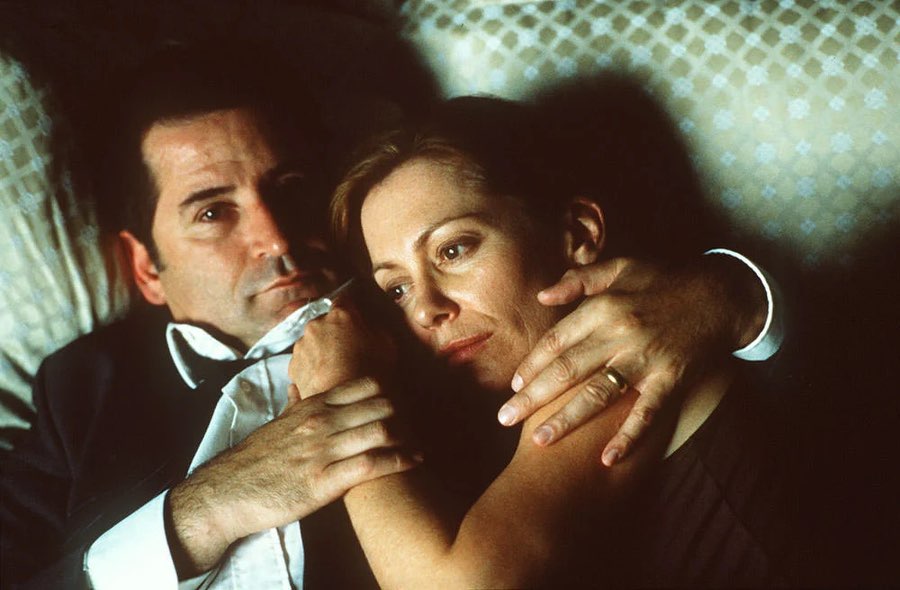
Kim Huynh prefaces his 2026 critically acclaimed memoir, My Old Man and Me, with the phrase: “To have parents is to have hangups”. That is demonstrably the case in the four celebrity biographies reviewed by COLIN STEELE.
Anthony LaPaglia has said of his autobiography The Life We Choose (HarperCollins, $45), that he wanted to make his story “real and raw” and it certainly is.
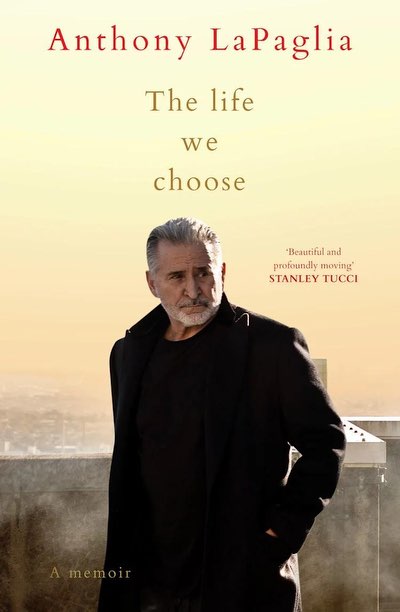
LaPaglia recalls an Adelaide childhood in which he suffered under his physically abusive father Edigio “Eddie”. LaPaglia reflects: “Dad was a very complicated man, who went to work as a mechanic’s assistant at eight, so his childhood ended at eight and that’s where mine was supposed to end as well”.
LaPaglia, who became “a little street thug”, won respect on the soccer field, a passion that remains. He had a variety of jobs after leaving school, before leaving for New York in 1983, “I just wanted to be somewhere else other than Adelaide”.
He was no overnight success, taking a variety of jobs and drugs and perfecting an American accent by watching Al Pacino movies, before a breakout with a 1998 Tony award in Arthur Miller’s A View from the Bridge, appearing in Frasier and then starring in the long-running TV series Without a Trace.
Australian success was to come in Lantana, Looking for Alibrandi and Boy Swallows Universe.
With success came money, which LaPaglia spent on expensive watches, luxury cars and several divorces. Success does not always bring happiness, but LaPaglia has written an honest and revealing autobiography.
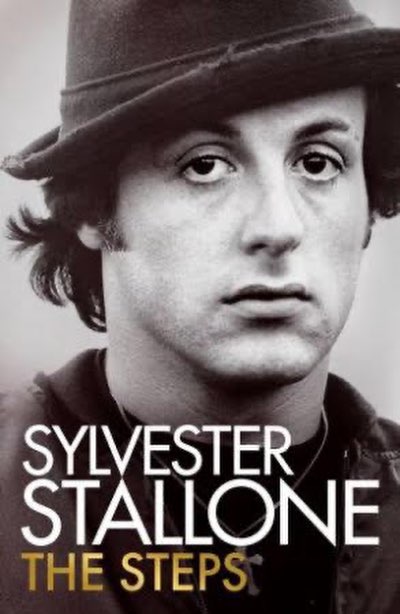
A SIMILAR traumatic childhood unfolds in Sylvester Stallone’s The Steps (Hachette, $34.95), with a mother who tried to abort him with a coat hanger and a father who placed Stallone, from the ages of two to six in a boarding-house for travelling salesmen.
This left Stallone with a desperate hunger to succeed. That determination saw him through the lean years of acting, poverty and retaining control of the script and lead role for Rocky despite studio opposition.
Rocky Balboa running up the steps of the Philadelphia Art Museum symbolises for Stallone the need for resilience in life.
Stallone frames his memoir through the perspective of arriving in New York in 1969 and the triumph of Rocky in 1977 at the Academy Awards, kickstarting his subsequent acting career, although “I made some shocking choices along the way”.
MICHAEL Douglas in One Helluva Ride (Hachette, $44.99) had, unlike LaPaglia and Stallone, a famous father.
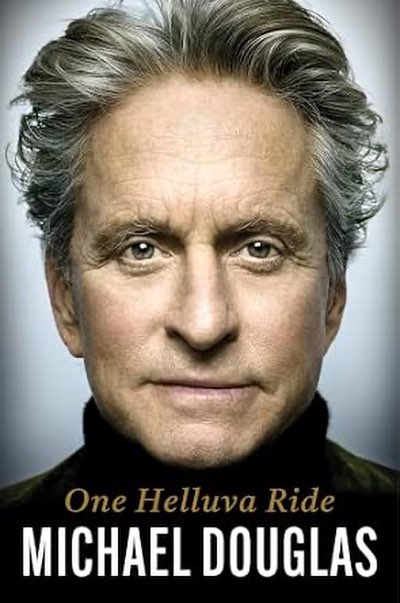
He has said he could not have written his memoir if Kirk Douglas was still alive, “because I was very uncomfortable talking about the early years and his physical abuse. He was of a generation that hit; he was tough”.
Douglas, now 82, confronted drug and alcohol addiction in his youth, has survived a major cancer scare and is now happily married to Catherine Zeta-Jones.
Douglas has said: “Fame can blur the truth; this is my attempt to bring it back into focus” as he frames his career through 12 of his most iconic films.
Douglas documents numerous affairs with actresses, such as Katharine Turner. A recent British interviewer drew an angry response from Douglas when she asked if he had been treated for sex addiction.
When courting Catherine Zeta-Jones, Douglas admitted he was seeing five other women. “But as long as you weren’t seeing somebody else in the same city that might embarrass her, they were all right”. Jones soon rejected that concept and, as Douglas says, his life was transformed.
MAGDA Szubanski’s first memoir, Reckoning, detailed her difficult relationship with her father.
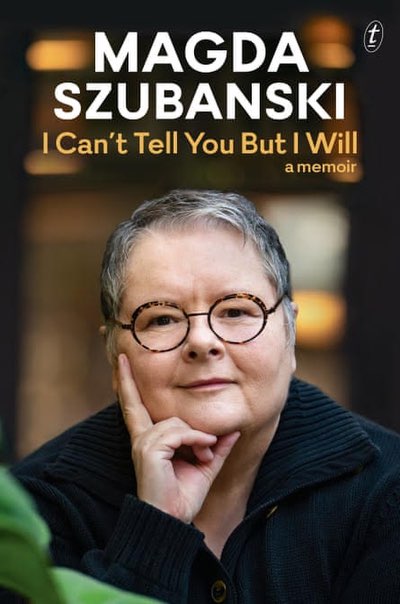
Her new memoir, I Can’t Tell You but I Will (Text, $55) focuses on her troubled relationship with her emotionally cruel mother Margaret who “tried to relieve the fire inside you by spewing your scalding emotions on to us”.
Szubanski, having textually exorcised both her mother and father, ultimately comes to terms with both, with her parents, reflecting ”a heartfelt gratitude for how hard they tried”. Szubanski becomes Margaret’s carer during Margaret’s long illness before death, observing her mother turning from “demon” to “frail old woman”.
The other main theme of the book deals with Szubanski’s public role in the fight for marriage equality.
Even before the same-sex vote, Szubanski’s sexuality had brought her to question her Roman Catholic upbringing. Szubanski thoughtfully and emotionally balances public duty and private grief in her life.
I Can’t Tell You has few celebrities compared to the other three books, which would have benefited from indexes given the references to so many celebrities and films.
News all day, every day at CityNewsQBN.com.au.



Leave a Reply