By Eleanor Wilson in Melbourne
Melbourne engineer Xavier Vella would love to be able to bench press at the gym or fulfil a childhood dream of completing the monkey bars.
Born with limb loss below the elbow on his left side, the 29-year-old adapted to life with limb difference fairly quickly, learning to tie his shoes and use cutlery with his right hand and residual limb.
He trialled prosthetic devices as a child but felt they were heavy, painful and difficult to use for long periods, so he gave up.
That was until he met senior researchers from University of Melbourne-led start-up Meablex, who have spent 10 years developing Australia’s first fully-integrated bionic arm.
“Now I’m getting older I do want some further assistance, and being able to use the prosthetic we’ve been working on has been really beneficial,” Mr Vella told AAP.
“It added that functionality I think I previously didn’t know I was missing out on.”
Cost, weight and accessibility changes means 35-40 per cent of prosthetic users in high-income countries end up rejecting their devices.
Senior research engineer Dr Alireza Mohammadi spoke to dozens of people with limb difference to help identify the key challenges the Meablex device could try to change.
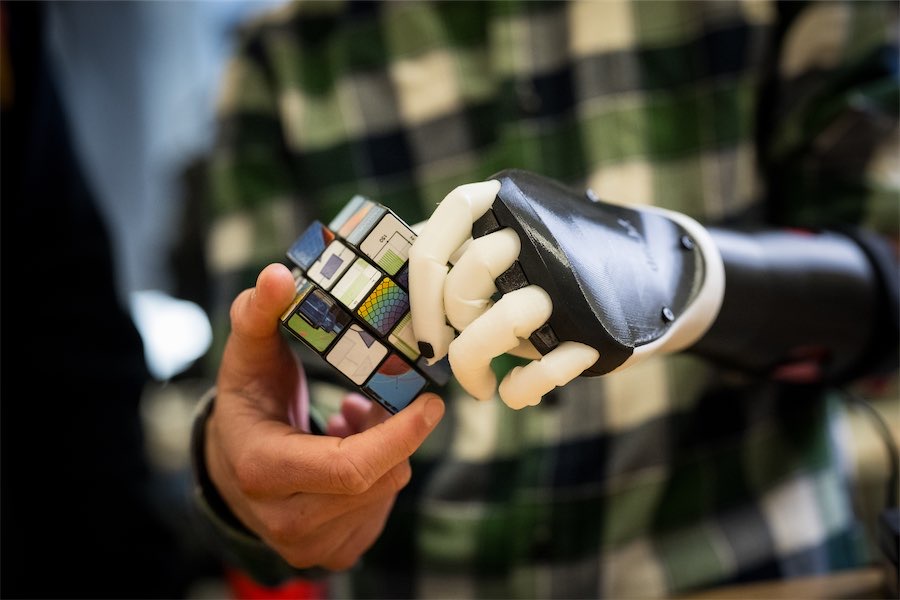
As a result, it features soft and flexible materials that weigh about half what a conventional prosthetic does.
It’s also been designed with an adjustable socket to make the prosthetic easier to fit, and is more reliable to control than others currently on the market.
“It’s a back and forth process of getting the socket, trying it out a bit, having issues, going back to the clinic, making further adjustments,” Mr Vella told AAP.
“That’s another reason people reject their devices: it becomes uncomfortable but it’s exhausting to go back and get it fixed.”
Special magnetic sensors developed by Meablex are designed to be less affected by sweat compared to electrical sensors.
“Our technology combines a lightweight 3D-printed prosthetic hand with a new sensorised socket that detects subtle muscle movement, rather than relying only on traditional electrical muscle signals,” Dr Mohammadi said.
He hopes the device can enter the market next year, following clinical trials and regulatory approvals later this year.
“We’re not just looking at Australia, we are thinking more globally,” Dr Mohammadi said.
“It will definitely affect many lives and many people that can use this device.”
The prosthetic is expected to cost about $10,000, or about one third of the price of some others on the market.
Mr Vella said he hopes the bionic arm can help improve the way he approaches everyday activities.
“It would be a great help to cooking, cleaning, all sorts of daily activities someone with two hands maybe takes advantage of,” he said.
“Currently I just adapt and you don’t want to overcompensate your body by just doing everything on one side.”
News all day, every day at CityNewsQBN.com.au.



Leave a Reply