The large plant that was unfazed by frost… is it a furcraea? Can someone help Jackie? Photo: Jackie Warburton
A frost-tolerant furcraea spotted at ANU proves some striking evergreen succulents can survive Canberra winters with ease, writes gardening columnist JACKIE WARBURTON.
Evergreen shrubs, hedges and trees provide structure through winter, while frost-tolerant furcraeas add striking blue-grey foliage to cold-climate gardens.
Jackie Warburton.
Furcraeas are a species of succulent that generally do not like the cold and usually need glasshouse protection through winter in our region. However, last winter I found a spectacular evergreen succulent growing on the ANU grounds.
This large plant, with gorgeous blue-grey leaves, was completely unfazed by frost. Many of the plantings were more than two metres tall, growing in a row beneath gum trees.
It may be a furcraea of some type and if there is a sleuth out there who can provide a botanical name, I would be most obliged.
Some furcraea species are frost tolerant and suitable for pots, providing a tropical look in summer before being brought indoors during winter.
I am currently growing F. quicheensis from seed. It is a smaller variety than my unknown plant and will eventually be planted into a pot for winter protection.
EVERGREEN shrubs and trees show their importance in winter, when other plantings are bare. They can be grown as specimen plants or clipped into hedges to break up space and provide privacy.
If you are new to the area, look around your local neighbourhood to see firsthand what grows successfully in local soils. In many cases, evergreens are low maintenance, periodically dropping leaves as new growth appears.
When planting an evergreen hedge, think carefully about the mature size of each plant. Shrubs that grow to only two to three metres tall are far easier to maintain than those reaching five or six metres. Hedge spacing can be calculated by deciding on the desired height, dividing it by three, then planting at that distance apart.
Once you have decided what evergreens to plant, it is time to prepare the soil for spring planting. Dig the area over thoroughly and add as much organic matter and manure as possible.
If planting a hedge, trench-style planting benefits the entire root system and helps prevent a single plant from dying in the middle of the hedge in future. Evergreen plants are in the garden for the long haul, so soil preparation is the key to success.
Planting into “new build” virgin soils is much harder and takes time to improve, particularly in our hard clay soils.
One of the most notable early spring flowering trees are at the Curtin shops. Photo: Jackie Warburton
NOW that most trees are leafless, some are already beginning to bud and blossom ahead of spring. For winter colour, flowering apricots and almonds will bloom from July before leafing up in spring.
One of Canberra’s most notable early-flowering displays can be seen at the Curtin shops in South Canberra, where ageing flowering apricots have provided a spectacular winter show for many years.
Their flowering often sparks speculation of an early spring, though they are simply winter-flowering trees.
If space is limited, Prunus alba is a smaller, white-flowering tree, rather than pink, and should become available over the next month or two.
ALL cherries, apricots and stone fruit species need rich soil with moisture during the warmer months, while requiring little care in winter. Most importantly, only prune stone fruits in summer and pome fruits in winter.
Pome fruit trees can be pruned hard if necessary to reduce their height, but if planting new fruit trees this season, I would recommend dwarf varieties. They grow to only two metres tall, are easier to prune and require far less maintenance.
Jottings
Spray grape vines with copper for blister mite prevention.
With soil warming, it’s time to plant tomatoes, capsicums, cucumbers and other summer vegetables for a productive harvest, writes gardening columnist JACKIE WARBURTON.
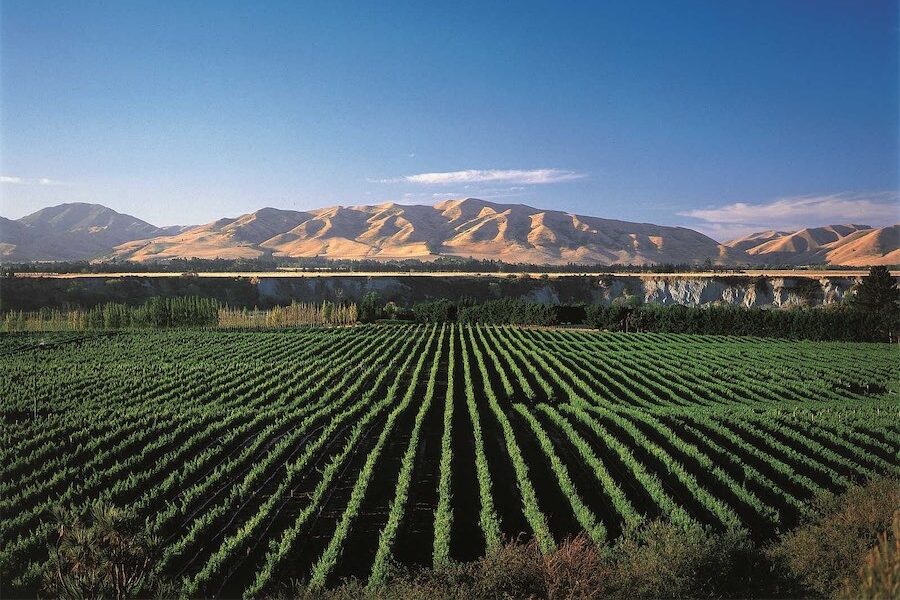
"In 2026, NZ had an increase in overall sales of wine of eight per cent, a remarkable statistic given the global decline in wine sales generally," reports wine columnist RICHARD CALVER.
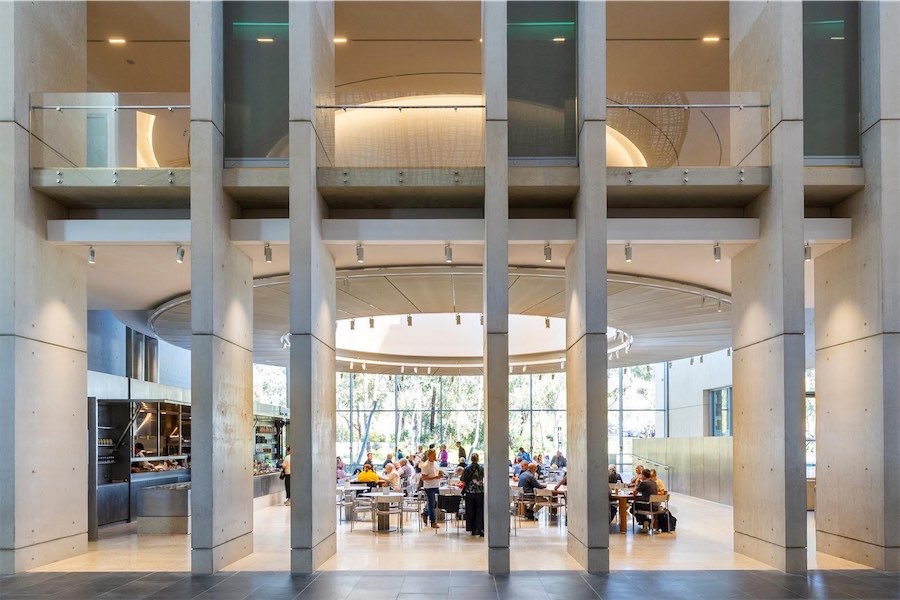
Hats off to the National Gallery for repositioning its café – Oculus Café x Kitchen by Mike – to the ground-floor foyer with views of the Sculpture Garden, writes dining reviewer WENDY JOHNSON.



Leave a Reply