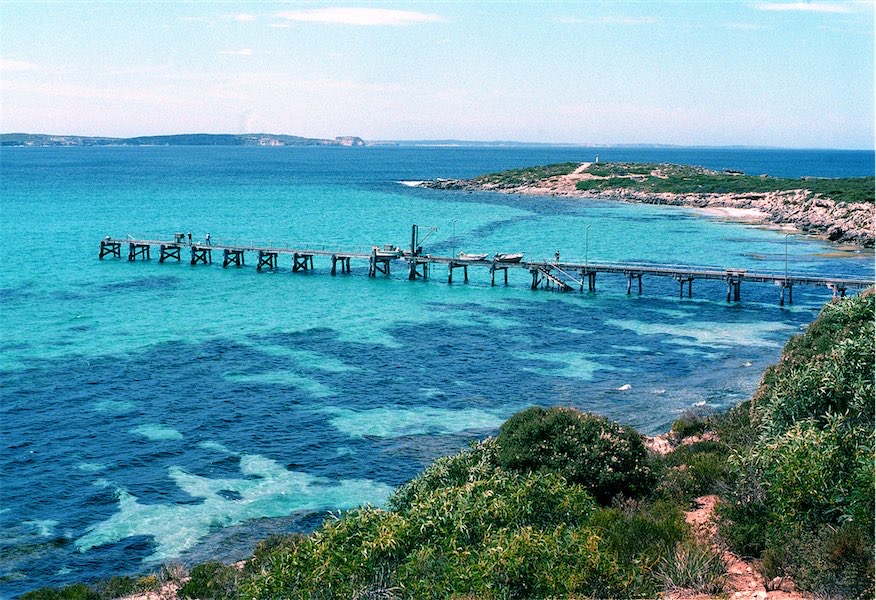
Efforts to create the largest human-inhabited feral cat-free area anywhere in the world have received a funding boost.
Federal and South Australian contributions, along with a philanthropic top-up, will see almost $4 million sent the way of the Kangaroo Island project.
The aim is to totally eradicate cats from the eastern end of Australia’s third-largest island, located 112km southwest of Adelaide, by 2030.
Devastated by the 1919-20 Black Summer bushfires, more than a third of Kaurna is protected in nature reserves home to sea lions, koalas and diverse bird species.
The federal government is investing an additional $2.7 million to finish the work; $800,000 will come from SA and $370,000 via private investment in the work of the Invasive Species Council.
The eradication will create a permanent haven for threatened species such as the Kangaroo Island echidna, southern brown bandicoot and hooded plover, which are all threatened by feral cats.
Throughout the program, which began in 2015, the Dudley Peninsula has been isolated from the rest of the island by a three-kilometre cat-proof fence to prevent reinvasion.
A remotely monitored trap network, AI cameras, cat detection dogs, thermal drones and a community call program have also featured in efforts to remove the interlopers.
Federal Environment Minister Murray Watt said the fresh funding would boost at-risk species as they struggled to withstand and recover from future challenges such as the potential spread of bird flu.
“Sadly, feral cats have contributed to the extinction of more than 20 Australian mammal species,” he said on Saturday.
“With Kangaroo Island home to more than 30 threatened species, tackling feral cats is a big part of ensuring those species have a healthy future.
“The KI community has achieved great results in recent years in reducing feral cat numbers but we’re conscious that without further effort, numbers could rebound.”
South Australian Climate Minister Emily Bourke said eradication work thus far had significantly reduced cat numbers.
“We are starting to see the return of native species such as the southern brown bandicoot, which hasn’t been spotted in the region by local residents for more than 60 years,” she said.
Invasive Species Council president Jack Gough hailed the project “a nationally significant investment”.
Kangaroo Island has a strong track record of eradicating feral animals, having successfully removed feral deer, goats and pigs.
News all day, every day at CityNewsQBN.com.au.



Leave a Reply