Visual Arts/Relics and Ruins by Thomas Bucich. At Grainger Gallery, Fyshwick, until June 28. Reviewed by KERRY-ANNE COUSINS.
Thomas Bucich’s academic background includes classical art studies as well as running a multi-disciplinary studio in art and design.
He is now committed to the full time pursuit of his own creative art practice.
Bucich works in many kinds of media including metal and reclaimed objects. In his sculptures he uses a technique that enables him to work plaster like clay and blackens their forms so they reflect light. Silver and gold leaf accentuate surfaces.
Among the works on paper are a number of small sensitive studies of the human figure in line and wash. Included is one larger powerful study in mixed media called, Appropriate, Appropriation, evoking the figures on the 5th century BC fragment of the Parthenon frieze now in the British Museum.
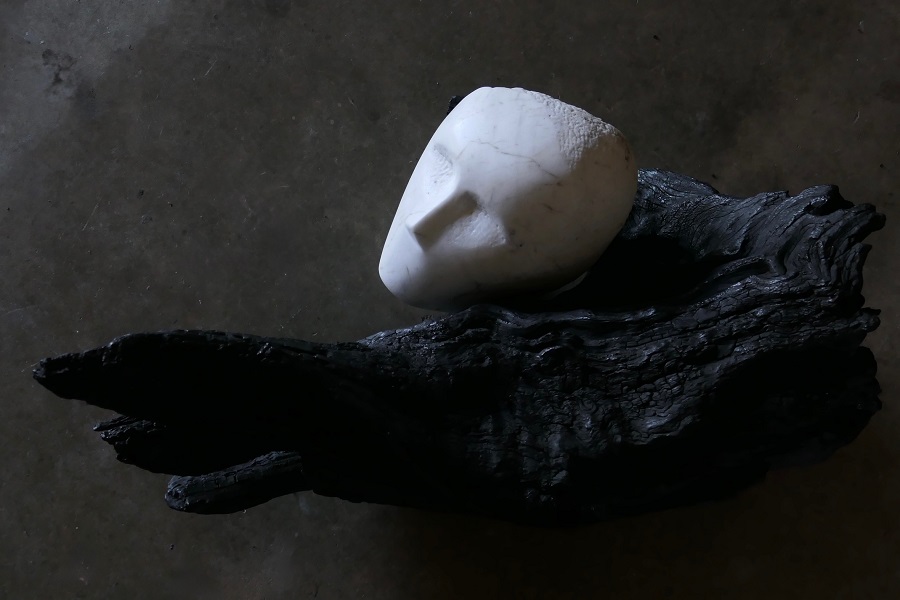
Many of the works have a visual relationship with classical Greek sculpture and Greek mythology and others are inspired by sacred relics of hearts and talismans. However, the artist has recast this inspiration with his own use of original materials and contemporary idioms. A striking example is a sculpture called Rest Your Weary Head where a classically inspired marble head is married to a reclaimed log ‘pillow’.
Among the classical references, the flight of Icarus, the Parthenon sculptures and echoes of the monumentality and movement of the Winged Victory of Samothrace come to mind. The plasticity of the human body in classical Greek sculpture is evoked by Bucich’s own skilled reproduction of the flowing of the drapery over the figure in his work. This is seen in the monumental work Seated Figure where the heaviness of the seated torso is accentuated by the drapery across her knees.
This plasticity of the surface is also seen in another work, Reclining Figure, where the figure is posed reminiscent of a draped form from the Parthenon marbles.
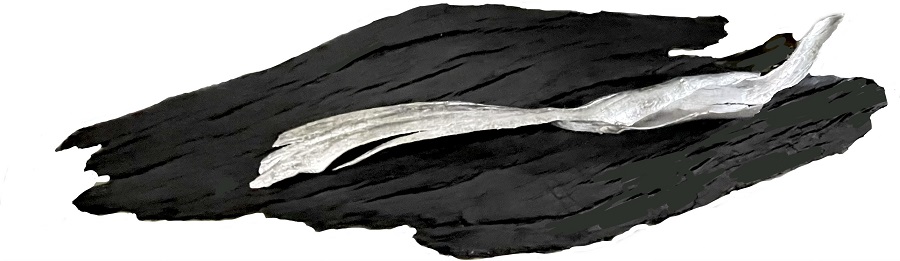
In the Icarus works, Meditations on the Icarus Effect VI, recalling the mythical Greek story of man attempting to fly, the tautness of the figure is attenuated by the tapering of the wrapped form and the outstretched wings. In other works, the notion of flight is more abstract as in the work Cradle Bark where the reclaimed weathered log is echoed by a flash of a silvered surface.
Among the many works it was the artist’s evocation of the visual memories of the sensuous beauty and mythologies of classical Greek sculpture that resonated with me the most in this imaginative and poetic exhibition.
News all day, every day at CityNewsQBN.com.au.


Leave a Reply