American comedian Phyllis Diller, who died at 95 in 2012… “Thirty is a nice age for a woman. Especially if she happens to be 40.”
“Could humans live forever? Science says: Not yet, but it’s theoretically possible. There are several directions being actively researched,” writes Whimsy columnist CLIVE WILLIAMS.
Every morning I get up. I read the obituary page. If my name’s not there, I shave. – George Burns
Ageing happens because of several biological processes that slowly reduce the body’s ability to repair itself.
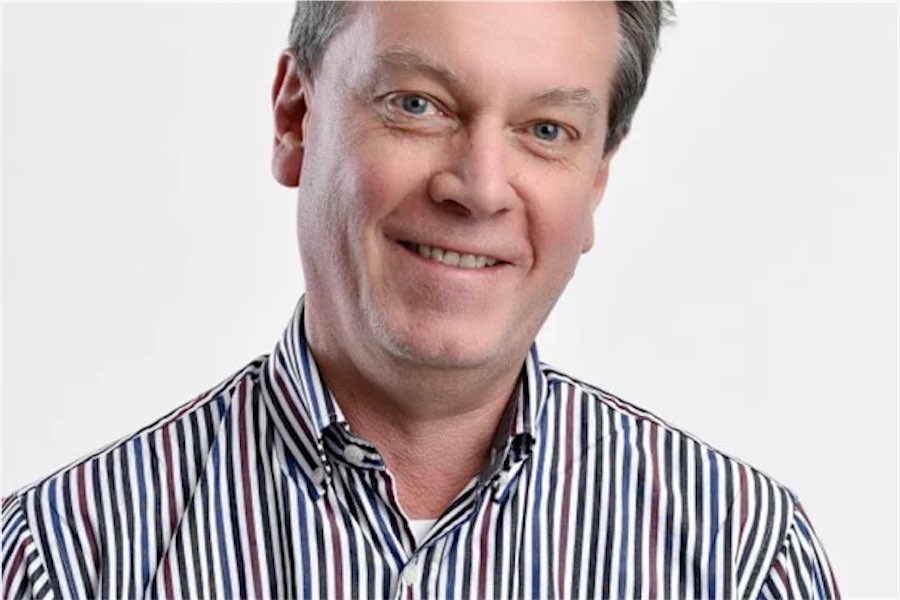
Clive Williams.
The main causes of ageing are:
DNA damage accumulates. Every cell accumulates tiny DNA mistakes over time from:
radiation,
normal metabolism,
toxins,
copying errors.
Your cells repair most of the damage, but eventually damaged cells build up, leading to an accumulation of ageing tissues and diseases.
Telomeres get shorter. Telomeres are protective caps at the ends of chromosomes. Every time a cell divides, telomeres shorten. When they get too short:
the cell stops dividing or dies,
tissues become weaker with age.
This is one of the strongest mechanisms driving ageing.
Senescent cells accumulate. Some old or damaged cells don’t die – they go into “senescence”:
They stop working properly.
They release inflammatory chemicals.
They damage nearby cells.
These “zombie cells” speed up ageing.
Mitochondria get weaker. Mitochondria power your cells. Over time, they become less efficient and produce more damaging byproducts, wearing down tissues.
Stem cells run out. Over a lifetime, stem cells lose:
energy,
accuracy,
the ability to replace damaged tissue.
This slows healing and regeneration.
Could humans live forever?
Science says: Not yet, but it’s theoretically possible. There are several directions being actively researched:
Senolytics. Drugs that remove “zombie cells”. In mice, senolytics:
extend lifespan,
rejuvenate tissues,
improve heart and brain function.
Human trials are underway.
Telomere extension. This can be achieved by using enzymes (like telomerase) to lengthen telomeres. Mice treated with telomerase live 10-40 per cent longer. Human trials are in the extremely early stages.
Gene therapy using Yamanaka factors. These factors reprogram cells to a younger state. Experiments in mice show partial reversal of ageing, including:
better vision,
healthier organs,
extended lifespan.
This is one of the most exciting areas of ageing research.
Replacing worn-out organs. As artificial organs and lab-grown organs improve, a person could theoretically replace failing parts indefinitely.
Nanotechnology. This could involve having tiny robots inside the body that detect and repair cellular damage. Still science fiction, but many researchers believe it will be possible this century.
Digital or technological immortality. You can be re-created in an avatar that thinks like you and acts like you. Not biological, but the possibility exists of:
Whole brain emulation.
Neural uploading.
AI-based personality reconstruction.
These are long-term speculative ideas. So… could humans become immortal? Here’s my assessment based on currently available information:
Wealthy humans will almost certainly live MUCH longer in the future. (lifespans of 120-150 years are realistic).
Partial reversal of ageing is possible. It’s already happening in lab animals and early human trials are starting.
Biological immortality is theoretically possible. Nature has already achieved it in hydra, some jellyfish, and clonal organisms.
Biological immortality is, of course, no guarantee of them not dying from other causes – such as predators or climate change.
On another deathly note: A friend’s grandfather told me this when I was in primary school.
A carpet-installer he knew had gone to a woman’s house to put down a new carpet. He was a meticulous worker and always took great pains to do a perfect job.
Eventually, he finished the job and reached in his back pocket for his cigarettes, but they weren’t there. Then he spotted a lump under the carpet he had just installed.
Thoroughly exasperated with himself for losing his cigarettes, but not wanting to re-do the job, he took his carpet hammer and hammered down the lump, continuing to smooth the surface until one could not tell that anything had been there.
He then went out to return his tools to his truck and was surprised to see his packet of cigarettes on the driver’s seat. Just then, the householder came out and said: “Have you seen my parakeet?”
"Those who want to froth about the inadequacy of this sentence would do well to note that there is no rehabilitation in our ACT prison system. That is the fault of the current ACT Government," writes legal affairs columnist HUGH SELBY.
"Jim asks his acolytes to swap their livery for Nick Cave T-shirts and their rung on the ladder to be shared by those with fewer opportunities." writes Kindness columnist ANTONIO DI DIO.
"Once infrequent, there are now more motions passing through the ACT Legislative Assembly than through the portaloos at the Multicultural Festival," writes SHUSH CAPITAL in this week's KEEPING UP THE ACT.





Leave a Reply