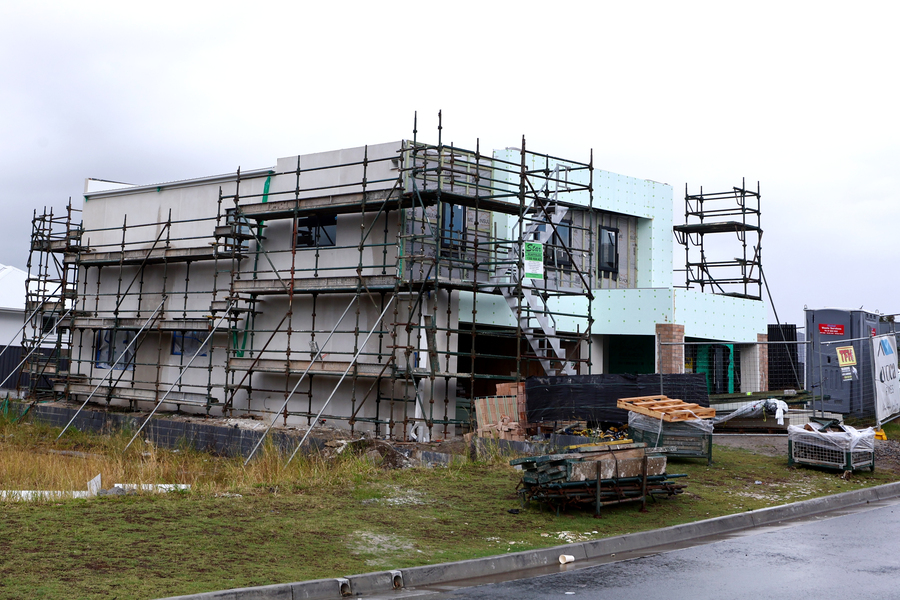
The ACT government has introduced changes to its property developer licensing scheme that would remove individual directors’ liability for serious building defects where developers take out compliant Latent Defect Insurance.
The amendments to the Property Developers Act 2024 come ahead of the licensing scheme becoming mandatory from October 1 for residential developments involving three or more dwellings.
The government says Latent Defect Insurance, also known as decennial liability insurance, is relatively new in Australia but commonly used in other jurisdictions.
Under the proposed changes, individual directors would not be liable for serious defects where a compliant policy has been taken out by the developer on behalf of future building owners.
The bill would also streamline licensing by allowing a single licence to be attached to a project, which the government says will assist with “missing middle” housing developments.
The broader scheme includes a public register of licensed developers, a code of practice and regulatory powers intended to hold developers accountable for the buildings they deliver.
The changes have received contrasting reactions from two property and construction industry groups, with the Property Council welcoming the amendments while Master Builders ACT argues they will do little to improve building quality.
Property Council ACT and Capital Region executive director Ashlee Berry says the amendments address concerns her organisation has raised about the scheme’s impact on housing delivery, including recognition of decennial liability insurance.
“We’re pleased the Government has listened to us, but let’s be clear – when you’ve pushed an industry off the edge of a cliff, providing a parachute is better than nothing, but it would have been far better not to push it off in the first place,” Ms Berry says.
The Property Council says it supports stronger consumer protections and accountability but had argued elements of the original framework risked making housing more difficult and expensive to deliver without improving outcomes.
Ms Berry says the amendments recognise that where appropriate insurance protections are in place, there is no justification for treating directors as the ultimate “insurer of last resort”.
Master Builders ACT chief executive Anna Neelagama, however, says introducing an insurance product with only one provider in Australia would add costs without preventing building defects.
“An insurance policy after the fact is no substitute for ensuring quality during construction,” Ms Neelagama says.
She also opposes allowing developers to avoid personal liability by taking out insurance, arguing the government should instead focus on stronger regulatory oversight, skills and competency standards, trade contractor licensing and enforcement during construction.
Master Builders also warns Latent Defect Insurance premiums could add substantially to project costs on top of licensing fees.
Ms Neelagama says regulatory changes should be assessed against whether they improve building quality and allow homes to remain commercially viable to deliver.
“Canberrans need homes that are well built, commercially viable and backed by a regulatory system that prevents problems in construction rather than simply insuring against them after the fact,” she says.
News all day, every day at CityNewsQBN.com.au.




Leave a Reply