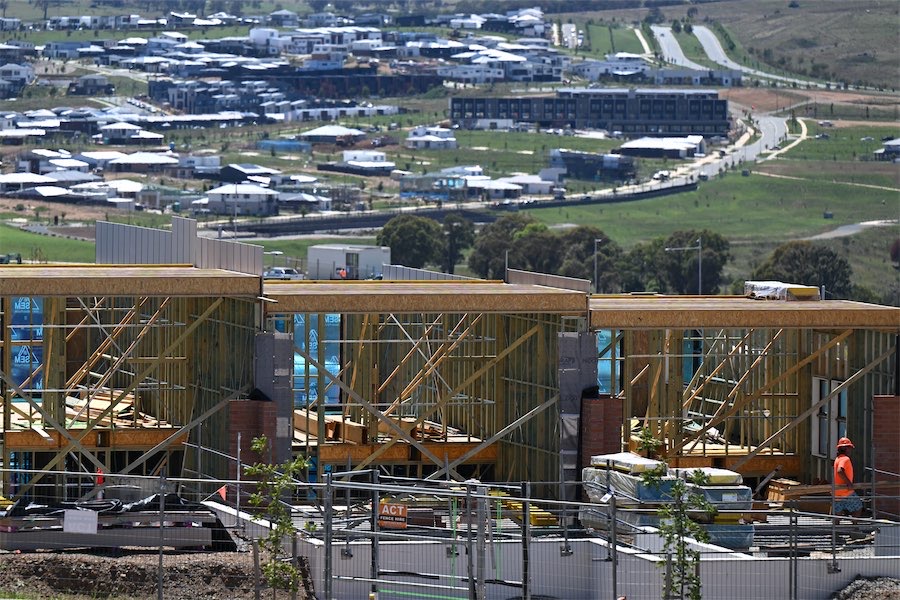
Canberra ratepayers face a higher average rates bill under the ACT government’s 2026-27 Budget, with the average residential bill, including levies, to rise by 5 per cent even after the health levy is scrapped.
The underlying general rates component will rise by an average 8 per cent for residential and commercial properties, while rural rates rise 3.25 per cent. The Police, Fire and Emergency Services Levy will increase by $32 to $458, and the Safer Families Levy by $10 to $70.
Treasurer Chris Steel used the Budget to argue the territory was continuing tax reform while repairing its finances, saying property tax settings would keep a stable revenue base without a sharper household hit. The Budget papers say the health levy, reduced from $250 to $100 for residential and rural properties after last year’s negotiations, will end from July 1 after the ACT secured additional Commonwealth health funding.
The decision softens, but does not remove, pressure on household budgets. Electricity standing offer tariffs are expected to rise 2.73 per cent, about $70 a year for a typical home using 6500 kilowatt-hours, while water and sewerage bills for a household using 200 kilolitres are forecast to increase 6.3 per cent, or about $91.
But the centrepiece is housing. From July 1, first-home buyers will pay no stamp duty on homes they buy to live in, with the concession also extended to pensioners buying a home, eligible NDIS recipients and buyers of off-the-plan or turn-key units. The commercial stamp duty tax-free threshold will rise to $2.1 million.
The government says the housing package is the largest since self-government, with $770 million in new and expanded initiatives. That includes more than $360 million for an additional 450 public housing dwellings, more than $180 million for repairs and maintenance, support for more than 1000 affordable homes through the Housing Australia Future Fund, and planning work to help reach the target of enabling 30,000 more homes by 2030.
The Budget forecasts a $323.4 million deficit in 2026-27, improving to a $244.2 million surplus by 2028-29, and a return to a cash operating surplus in 2026-27. Net debt is expected to rise from $12.48 billion in 2026-27 to $14.07 billion by 2029-30, underscoring the tension between new investments and budget repair.
Health remains a major spending priority. The government has committed $1.3 billion over seven years for the new Northside Hospital, including a seven-storey clinical services building with more than 300 treatment spaces. The Budget also funds $47.6 million for services including cancer services, paediatric orthopedics and acute palliative care.
Community services also receive a lift, with $182.6 million over four years for community support, safety and inclusion, including $44.2 million for domestic, family and sexual violence services and more than $16 million for homelessness and housing support providers.
Mr Steel framed the package as a budget for housing, frontline services and fiscal repair. He said the territory had to be “balanced and measured” on revenue, with no further payroll tax changes proposed and savings measures aimed at slowing public service and infrastructure spending growth.
For ratepayers, however, the immediate bottom line is simple: the health levy disappears, but the rates bill still goes up. The government is betting that stamp duty cuts and housing supply will make that trade-off defensible; households facing higher property charges and utility bills may take more convincing.
News all day, every day at CityNewsQBN.com.au.




Leave a Reply