By Andrew Brown and Farid Farid in Canberra
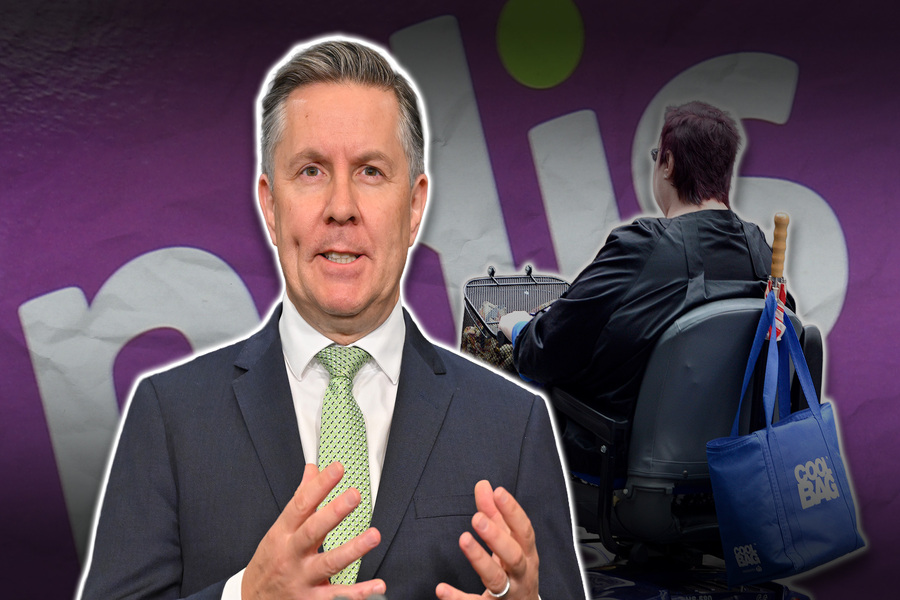
The NDIS minister is defending an overhaul of the multibillion-dollar disability scheme, despite members of the community describing the cuts as a dark day.
Changes to the NDIS to rein in costs will kick 160,000 people off the scheme by the end of the decade, with all participants to undergo renewed eligibility assessments.
Mark Butler says the changes are necessary to ensure the viability of the scheme, which is set to cost more than $50 billion this year.
“The future of the NDIS, I think, is really at stake here. We’ve not been able to get those costs under control,” he told Seven’s Sunrise program on Thursday.
“There are people on the scheme who weren’t intended to be on the scheme with relatively low-to-moderate support needs, and they’re on the scheme because there’s nothing else for them out there.
“I wish I could say no change is required or no significant change.”
The proposal is slated to save $15 billion from the scheme by 2030, with the NDIS set to become the third-biggest item in the federal budget.
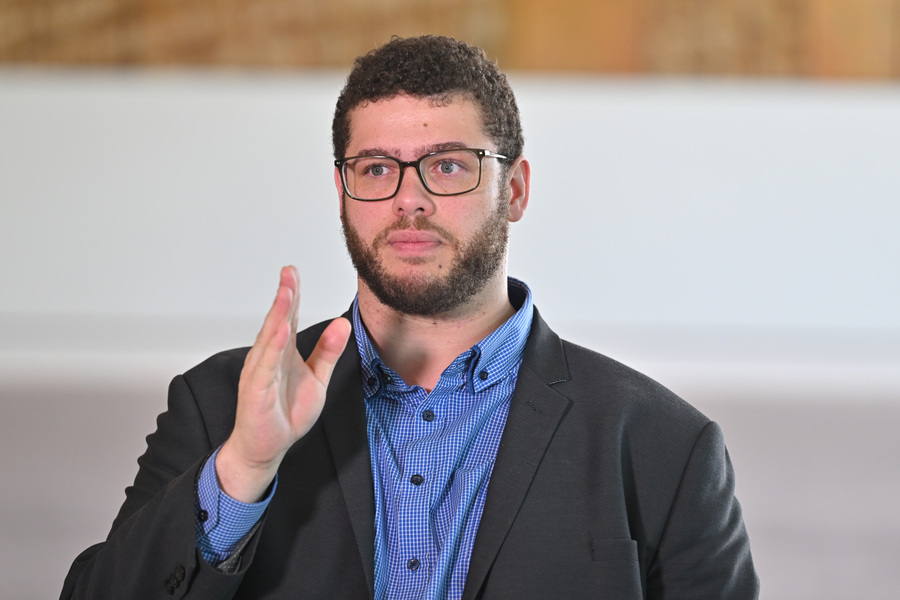
Disability activist Jarrod Sandell-Hay, who heavily relies on the NDIS to manage his cerebral palsy, bluntly described the federal government’s announcement of cuts as a “dark day”.
“We are blindsided by this, we knew something was coming but didn’t know how bad it would be,” the 37-year-old told AAP.
“We’re quite upset and quite angry.”
Mr Sandell-Hay questioned what support would be given to the 160,000 people who will be booted out.
Another cost-cutting measure will be the average annual spend on participant plans to be downsized from $31,000 to $26,000 – back to 2023 funding levels.
Mr Sandell-Hay said the reduction would directly affect his quality of life.
“When it rains in Melbourne, I am unable to use my electric wheelchair because if it gets wet it will stop working so I rely on support workers to drive me to places,” he explained.
Going to work, grocery shopping and “all these very basic everyday things” would be in jeopardy for him and his wife, who is also on the scheme, Mr Sandell-Hay said.
“For some reason, this government doesn’t prioritise the lives of the disabled,” he said.
Still, one of the architects of the NDIS said the changes would provide a well-needed reset.
“What didn’t happen (when the NDIS was set up) was detailed examination of who’s eligible and what the scheme should fund,” Martin Laverty told ABC Radio.
“So optimistic was the offer of the NDIS that government decided to speed up the implementation of the scheme, and through that, there wasn’t the time, there wasn’t the sufficient investment to get the systems and safeguards in place.”
While the changes have created uncertainty for those on the scheme, Mr Laverty said patience would be needed while the renewed eligibility guidelines were drawn up by an expert panel and the disability community.
“These changes don’t come into effect until 2028 there needs to be genuine and deep consultation and engagement with people with disability and the sector to get these details right,” he said.
A dozen disability rights groups said they were concerned about changes to the eligibility threshold and that it could impact the scheme for a generation.
“Any decisions that determine who gets support and who doesn’t must be built with the people most affected,” the groups said in a joint statement late on Wednesday.
“People with disability are the experts in their own lives and must lead the design of solutions.”
Opposition health spokeswoman Anne Ruston said reforms were required for the NDIS, but more detail was needed.
“We need to make sure that there’s proper planning that sits behind what they’re doing,” she told ABC Radio.
“The distress and uncertainty that this is causing those people that are on the NDIS and their families today is something that the minister needs to clear up very, very quickly.”
News all day, every day at CityNewsQBN.com.au.



Leave a Reply