“Today, many people aren’t fully engaging with life; they’re enduring it. And when you’re enduring rather than engaging, the nervous system never fully stands down.” Psychologist BRONWYN THOMPSON shares a personal story…
I was walking the yard late at night with my two whippets under the Canberra sky when it struck me: this wasn’t normal.
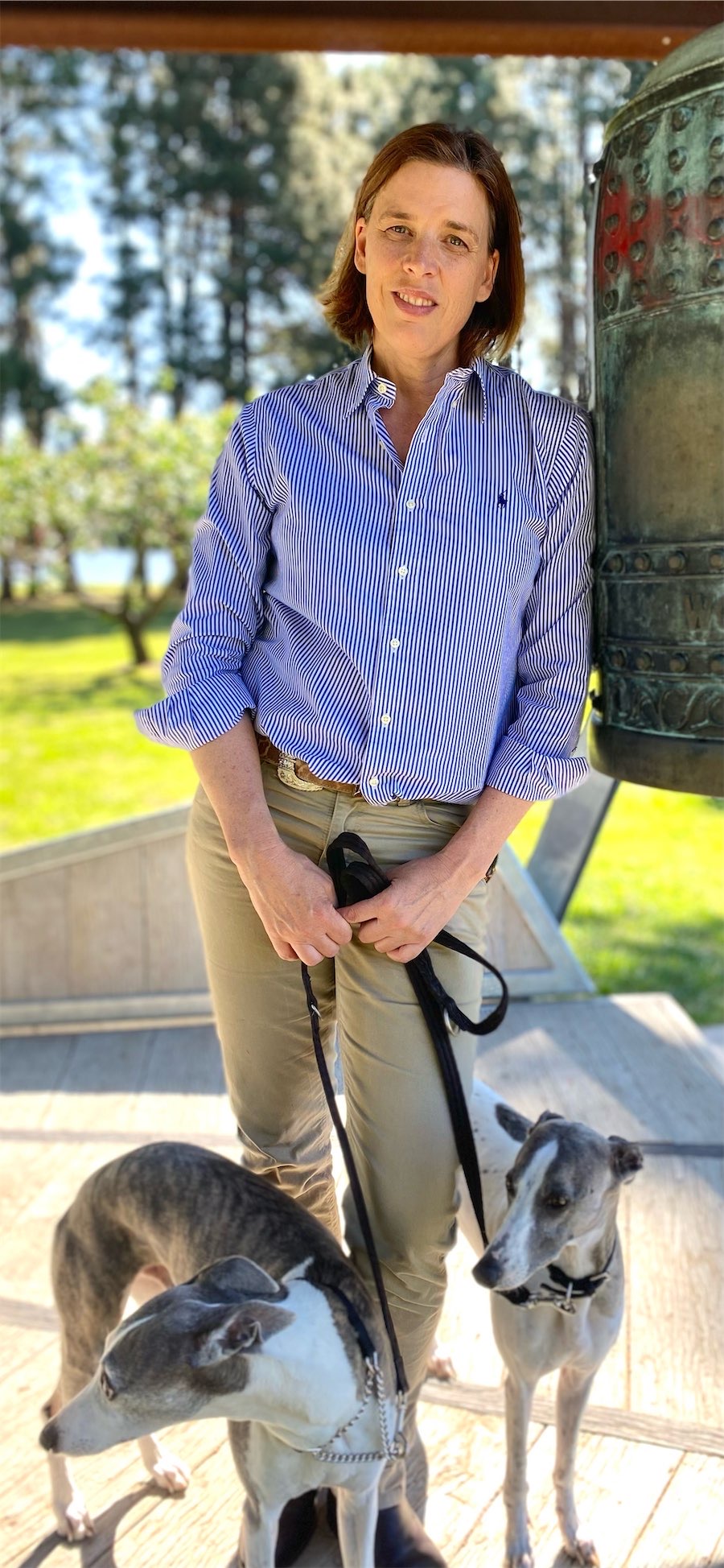
Psychologist Bronwyn Thomson and her whippets… “Since the pandemic, there has been a subtle but profound shift in how people live inside their bodies.”
I wasn’t exercising. I wasn’t training. I wasn’t solving problems. I was waiting for exhaustion to take over.
Only weeks earlier, I had been diagnosed with breast cancer.
A diagnosis like that strips life back to its essentials. Mortality becomes real. The future suddenly feels smaller. Even when treatment is successful, surgery, radiation, recovery – a quiet question often lingers: What if it comes back?
I had always believed I could manage whatever life threw at me. I’m a former dual Olympic rower. I’ve run my own business for more than 27 years, much of it focused on health and recovery. I understand stress – physiologically, psychologically, professionally.
And yet, when it mattered most, none of that insulated me.
Sleep became elusive. My body felt tight and heavy. My thoughts looped relentlessly. Night after night, instead of resting, I paced the yard, accompanied only by the dogs and the dark.
I knew the science. Chronic stress elevates cortisol. Muscles guard. Sleep fragments. Emotional range narrows.
But knowing something is not the same as living inside it.
When life shifts into survival
Lately, I hear the same conversation everywhere – at cafes, at work, catching up with friends. Life feels expensive, exhausting, relentless.
Since the pandemic, there has been a subtle but profound shift in how people live inside their bodies.
Stress shows up differently now – disrupted sleep, shorter tempers, flattened joy. With constant notifications and little downtime, there is rarely space to process anything before moving on to the next demand.
Years ago, there was more room to recover from disappointment, effort, grief, even success. That space allowed the nervous system to reset.
Today, many people aren’t fully engaging with life; they’re enduring it.
And when you’re enduring rather than engaging, the nervous system never fully stands down. It stays in a low-grade state of alert, always on, never properly resting.
That’s where the real cost begins.
From the outside, life can look fine. You’re functioning. Turning up. Getting through the day.
But internally, the body keeps score.
Muscles tighten. Sleep becomes shallow. Digestion and immunity suffer. Emotionally, curiosity fades. Joy flattens. Over time, people often say, I don’t really feel like myself anymore.
This isn’t dramatic suffering. It’s quieter and far more common.
Thoughts, feelings and the body
One of the most important things I’ve learned through my work/personal experiences is this: many “anxious thoughts” aren’t really thoughts at all.
They’re physical feelings.
I feel exhausted. I feel heavy. I feel flat.
Feelings live in the body. When the same sensations repeat day after day, they begin to feel permanent, even when they’re not.
We often try to think our way out of stress. But the nervous system doesn’t respond to logic alone. It responds to sensation.
What we lose first
I often ask people a simple question: What’s the first thing you lose and the last thing you realise you’ve lost?
The answer is range of movement.
Years ago, I worked with a yoga teacher who hadn’t slept properly for two days. I asked her to touch her toes, something usually effortless. She could barely reach her knees.
After some gentle, floor-based movement, she fell asleep under a coat and didn’t move for hours.
At the time, I didn’t fully appreciate the significance of that moment. I do now.
Finding a way back
In my career, I have worked with frontline workers exposed to critical incidents they couldn’t cognitively process. The principle was simple: movement can reach parts of the nervous system that thinking cannot.
During my own recovery, I returned to that idea.
Through gentle, spine-first movement performed in a specific sequence, something shifted. Breathing softened. Internal noise settled. Attention moved out of my head and back into my body.
Most people prepare carefully for their day. Very few prepare for sleep.
But sleep isn’t passive. The nervous system needs to feel safe enough to let go.
Redefining resilience
We talk a lot about resilience, pushing through, staying strong without acknowledging how tired people really are.
Resilience isn’t always about standing up. Sometimes it’s about being able to lie down comfortably.
If you can’t sleep, you can’t recover. And without recovery, everything else becomes harder, including thinking clearly and connecting with others.
I no longer walk the yard at night. I walk the dogs in the morning now.
The challenges haven’t disappeared, but I’m meeting them present, not trapped.
So as conversations continue about the cost of living, it may be worth asking another question: Am I living or am I just enduring?
Because the cost of not living doesn’t show up on a balance sheet. It shows up in the body. In sleep. In how connected we feel to ourselves and to others.
The way back doesn’t start in the mind alone. It starts when physical and psychological recovery work together.
Bronwyn Thompson MAPS, is principal psychologist, Psychologists Canberra.
With soil warming, it’s time to plant tomatoes, capsicums, cucumbers and other summer vegetables for a productive harvest, writes gardening columnist JACKIE WARBURTON.
"In 2026, NZ had an increase in overall sales of wine of eight per cent, a remarkable statistic given the global decline in wine sales generally," reports wine columnist RICHARD CALVER.
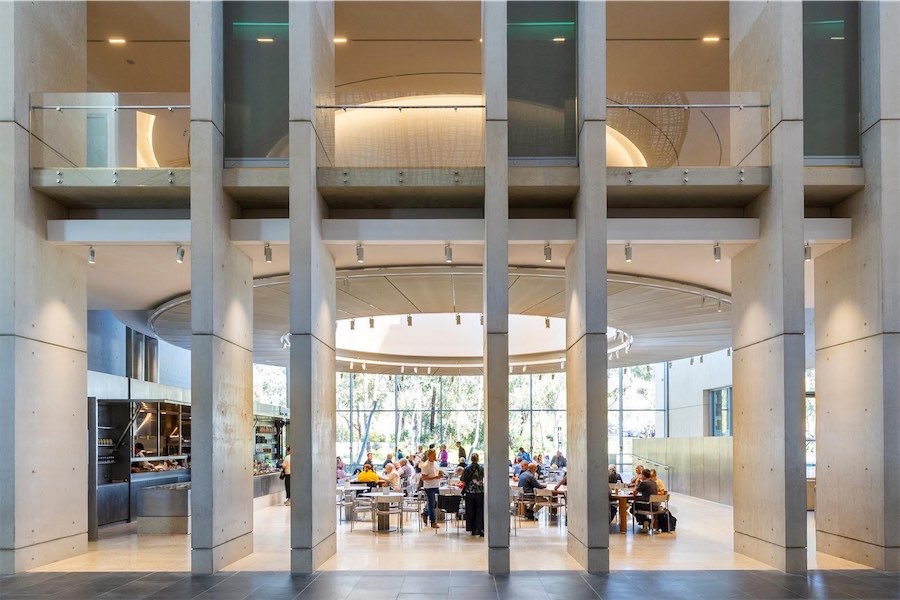
Hats off to the National Gallery for repositioning its café – Oculus Café x Kitchen by Mike – to the ground-floor foyer with views of the Sculpture Garden, writes dining reviewer WENDY JOHNSON.





Leave a Reply