By Eleanor Wilson
A world-first injection that reverses a genetic form of heart disease could soon provide a treatment alternative to transplants, medication and implantable heart devices.
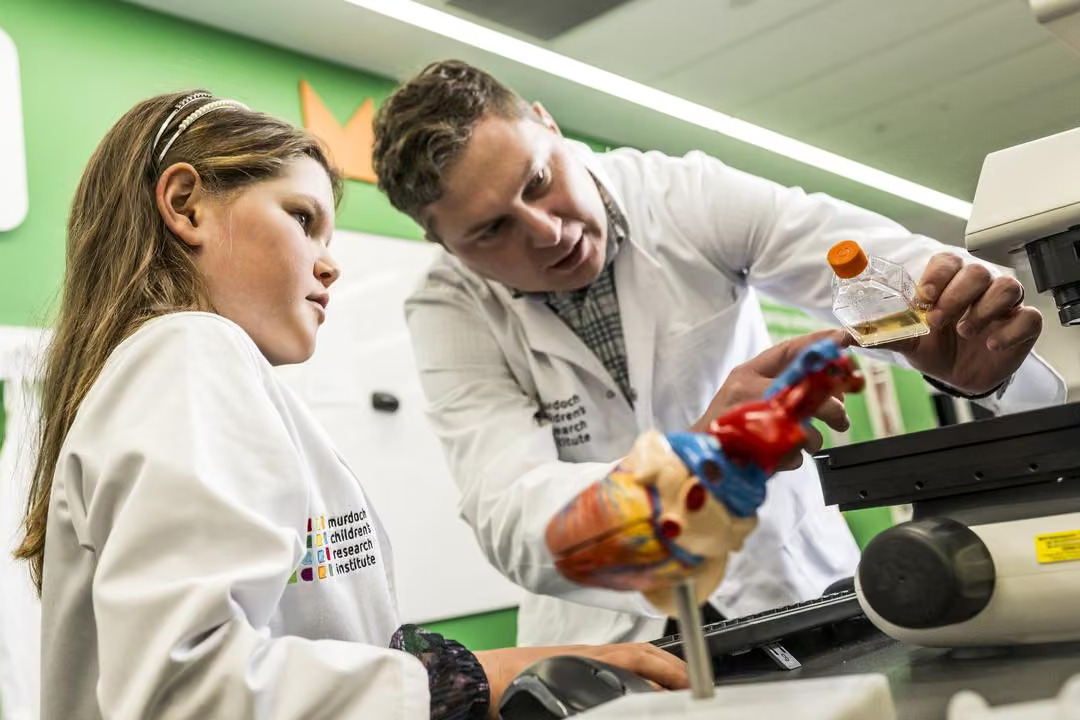
Researchers from Murdoch Children’s Research Institute in Melbourne have developed a gene therapy, in what has been billed as a major step towards a cure for genetic cases of cardiomyopathy.
Trials conducted on mice and lab-grown patient hearts found replacing the faulty disease-causing gene called ALPK3 with a healthy copy blocked disease development in young models and restored heart function in adult samples.
“It blew our mind because we actually completely reversed the disease,” the institute’s honorary research fellow James McNamara told AAP.
“So by the end of the study, despite them starting quite sick, they were indistinguishable from the healthy control mice.”
The research could be a game changer for genetic forms of cardiomyopathy, a group of diseases that affects the heart’s ability to pump blood around the body.
About 30 million people have cardiomyopathy worldwide.
It can lead to an enlarged heart with weak and irregular heartbeats, putting sufferers at greater risk of heart failure and death.
Current treatment options rely on heart transplants, medication and implantable devices such as pacemakers and defibrillators.
“There’s a huge shortage (of donor hearts) and it’s a very, very invasive procedure, so we’ve focused for a long time on trying to develop new therapies for these cardiomyopathy patients,” Dr MacNamara said.
Across Australia, 105 people are waiting for a heart transplant, according to the Australia New Zealand Organ Donor Registry.
Kate Bannan, 10, was diagnosed with hypertrophic cardiomyopathy as a baby after inheriting a gene mutation from her maternal grandfather.
Her condition causes the heart muscle to thicken, often causing shortness of breath, chest pain, dizziness and fainting, and is the leading cause of sudden cardiac death in young people.
Kate underwent open heart surgery when she was three to remove a thickened section of the muscle, but she will need a second surgery to have a defibrillator fitted before puberty.
The schoolgirl’s dad Duane said the research breakthrough gives the Victorian family, who have lost family members to heart disease caused by the mutation, great hope for the future.
“If Kate goes on to have a family one day, for future generations … if it can make anyone’s life a little bit easier, help their families and if it ultimately saves lives as well, it’s incredible,” Mr Bannan told AAP.
AI modelling and subsequent lab trials suggest the treatment could be applied to other, more common gene mutations, such as variants which cause dilated cardiomyopathy.
If approved it could reach thousands of Australian patients on the market in a matter of years.
News all day, every day at CityNewsQBN.com.au.





Leave a Reply